
Late-Summer Sensory Activities for Kids

Ben Keller • August 21, 2025

As summer winds down, many families are busy preparing for the school year ahead. While schedules may be shifting, there’s still plenty of warm weather left to enjoy. Late summer can be a perfect time to explore sensory-friendly activities that keep children engaged, regulated, and connected. For caregivers, these activities are simple ways to encourage play, learning, and calm. Whether outdoors or indoors.

At Society of Care, we recognize how important sensory experiences are for children’s development and regulation. They help kids process the world around them, build motor skills, and release energy in positive ways. For children with sensory processing differences, intentional activities can also prevent overstimulation and meltdowns during this transitional season.

Why Sensory Play Matters

Sensory play isn’t just about fun. It’s about helping children feel safe and organized in their bodies. By stimulating the senses (sight, sound, touch, taste, and movement), kids strengthen their ability to focus, self-soothe, and manage emotions. In late summer, when routines are shifting, sensory play can offer grounding and stability.

Simple Late-Summer Sensory Activity Ideas

Here are some easy-to-implement, caregiver-friendly options:


1. Water Play

  • Backyard water bins with cups, funnels, and sponges
  • Sprinklers or splash pads for cooling off and movement
  • Adding food coloring or ice cubes for an extra layer of sensory exploration


2. Nature-Based Play

  • Collecting leaves, rocks, or shells on a walk
  • Making “nature collages” with glue and paper
  • Gardening or watering plants, which provides both tactile and calming sensory input


3. Sensory Snacks

  • Popsicles or frozen fruit to explore temperature and taste
  • Crunchy snacks like carrots or pretzels for oral sensory regulation
  • Smoothies that children can help blend and pour


4. Movement Breaks

  • Trampoline jumps or hopscotch games
  • Bike rides or scooter time in safe spaces
  • Simple backyard yoga or stretching to help with transitions


5. Quiet Indoor Play

  • Kinetic sand or playdough for tactile stimulation
  • Coloring with scented markers or crayons
  • A “calm corner” with pillows, fidgets, and headphones for a peaceful reset


Tips for Caregivers

  • Follow your child’s lead. Some kids seek high-energy input, while others prefer calming activities.
  • Keep it short and consistent. Even 10 minutes of sensory play can make a big difference.
  • Pair activities with transitions. A quick water play break before dinner or a calm corner before bedtime can ease the shift into evening routines.


Making the Most of the Season

Late summer is a chance to slow down, connect, and prepare for the busier months ahead. By weaving in sensory activities, caregivers can help children feel more regulated and supported while also enjoying the last weeks of summer together.


At Society of Care, we encourage caregivers to see sensory play not as one more task, but as an opportunity to bond, refresh, and set the stage for smoother transitions into fall.

Looking for more simple, supportive tools for the loved ones in your care? Enjoy these additional resources and explore our blog for ideas that help you nurture connection, one moment at a time. Or, Join our mailing list where we share more resources that accompany our blog posts.

  • Pathways.org – "Sensory‑Friendly Summer Activities Your Child Will Love"

    Write your caption here
    Learn More
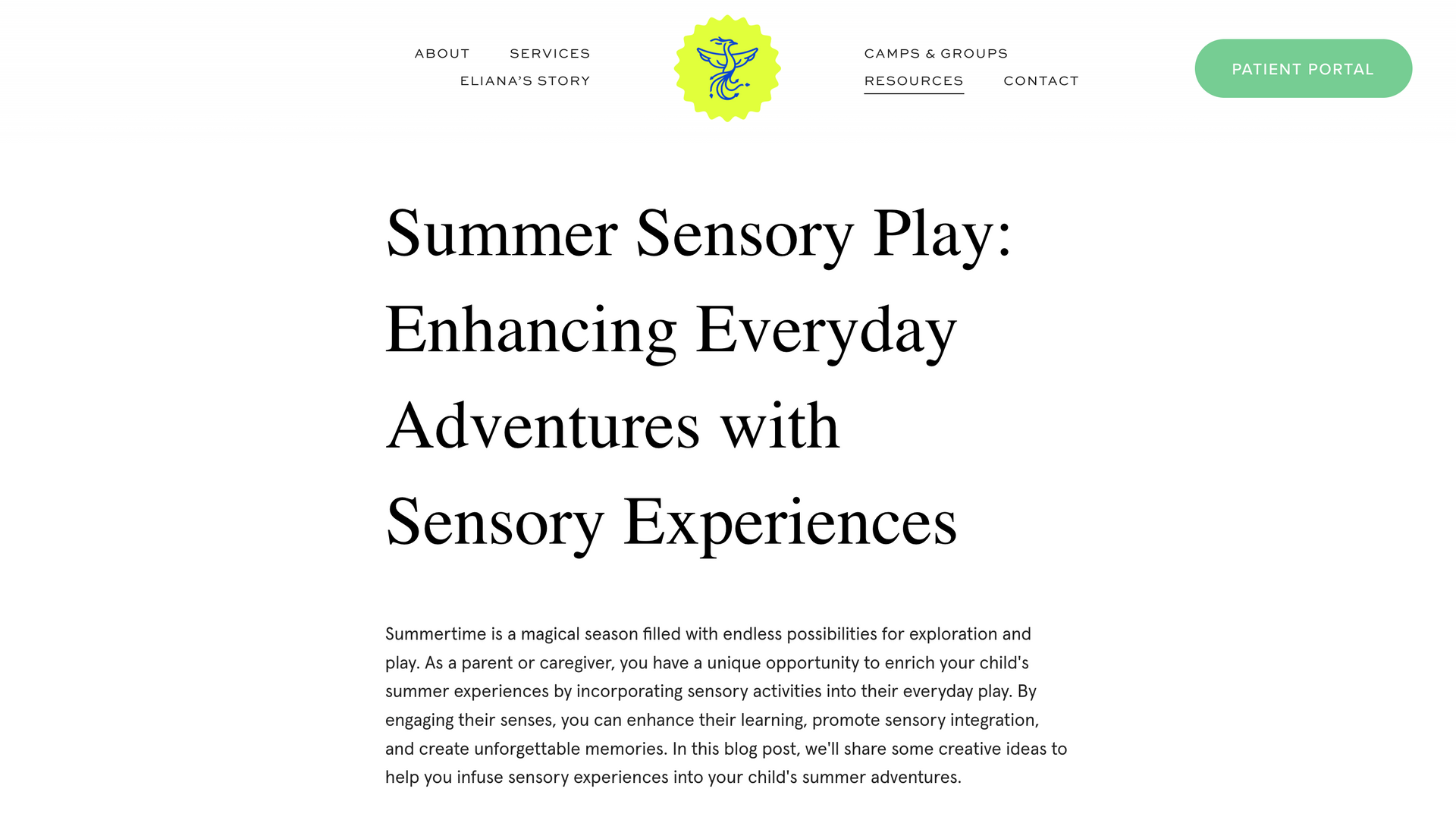
  • Extraordinary Kids Therapy – "Summer Sensory Play: Enhancing Everyday Adventures with Sensory Experiences"

    Write your caption here
    Learn More

Join Our Mailing List

Three children sitting on grass, looking at something on one child's wrist, one points.
By Ben Keller February 19, 2026
Healthy boundaries are an essential part of emotional well-being. They help children understand what feels safe, respectful, and comfortable in their relationships with others. Learning about boundaries early in life builds confidence, strengthens communication skills, and supports healthy connections as children grow.
Family helps toddler ride a red bike on a dirt path; mother and father smile as they assist.
By Ben Keller February 12, 2026
In a world that often celebrates big milestones and grand gestures, it is easy to overlook the quiet, everyday moments that shape a child’s emotional well-being. While special events and celebrations certainly have value, it is often the small, consistent moments of connection that leave the deepest and most lasting impact.
Four friends sit outside a building. One wears teal pants, others have blue shirts and a Batman tank. All smile.
By Ben Keller February 5, 2026
Friendships play a powerful role in a child’s emotional world. As children grow, their social circles naturally change. Friends move away, interests shift, and group dynamics evolve. While these changes are a normal part of development, they can still feel confusing or painful for kids.
Woman and child on couch looking at a phone screen.
By Ben Keller January 29, 2026
The beginning of a new year often brings change. Routines shift, expectations reset, and families move from one season into another. While this transition can feel hopeful, it can also bring unspoken emotions for both children and caregivers. Emotional check-ins provide a simple, meaningful way to support mental well-being during this time of adjustment.
Father reading a book to two children on a bed with gray bedding.
By Ben Keller January 22, 2026
When families think about improving well-being at home, it can feel like change has to be big, time consuming, or difficult to matter. In reality, small adjustments often have the greatest impact. Simple, thoughtful changes can support emotional health, strengthen relationships, and create a calmer home environment over time.
Woman helping child eat at a table. Food and drinks are present.
By Ben Keller January 15, 2026
Children experience pressure in many forms. It can come from school, activities, friendships, or even from their own internal desire to do things “right.” While adults may not always see this pressure, children feel it deeply. Talking openly about expectations can help children understand their feelings and feel supported rather than overwhelmed.
Woman and child lying on a bed, talking. Both are looking at each other, in a light-filled bedroom.
By Ben Keller January 8, 2026
After a season filled with activity, obligations, and stimulation, many families feel pressure to jump right back into full schedules. Routines and structure are important, but so is recovery. Slowing down after a busy season gives both children and caregivers the opportunity to reset emotionally and mentally.
Family preparing food together in a kitchen.
By Ben Keller January 1, 2026
The start of a new year often brings a sense of pressure. Messages about resolutions, productivity, and self improvement can feel overwhelming, especially for families who are already navigating busy schedules and emotional needs. At Society of Care, we believe growth does not have to feel rushed or rigid. Instead, January can be a meaningful time to set gentle goals together as a family.
Woman smiling, embracing a child indoors near a couch and plant.
By Ben Keller December 26, 2025
Busy days, full schedules, and lots of activity can be exciting, but they can also leave children feeling overwhelmed. When stimulation builds up, children may struggle to regulate their emotions, focus their attention, or transition smoothly through the day. This can happen even when experiences are positive.
Woman kisses girl on the cheek, both with long dark hair, smiling.
By Ben Keller December 18, 2025
Change is a natural part of life, but for children, even small changes can bring big emotions. Shifts in routine, environment, expectations, or relationships can feel confusing or overwhelming. Children may not always have the words to explain what they are feeling, but their emotions often show up through behavior, body language, or changes in mood.