Setting Gentle Goals as a Family

Ben Keller • January 1, 2026

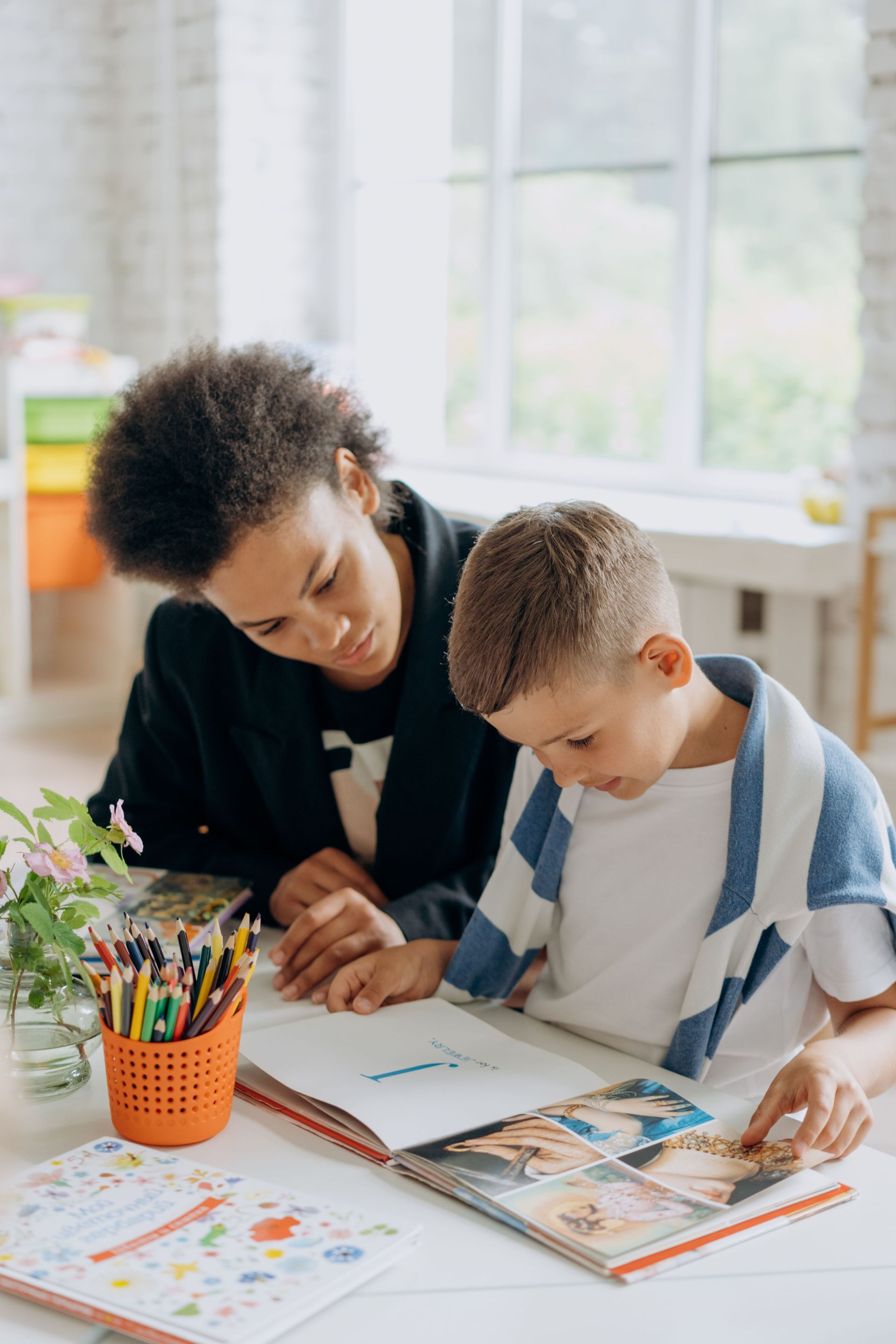
The start of a new year often brings a sense of pressure. Messages about resolutions, productivity, and self improvement can feel overwhelming, especially for families who are already navigating busy schedules and emotional needs. At Society of Care, we believe growth does not have to feel rushed or rigid. Instead, January can be a meaningful time to set gentle goals together as a family.

Gentle goals focus on connection, values, and emotional well-being rather than perfection or performance. They help families move forward with intention while honoring where everyone is right now.

Why Gentle Goals Matter

Traditional goal setting often emphasizes outcomes. While goals can be helpful, they can also create stress, frustration, or a sense of failure when life does not go as planned. Gentle goals shift the focus from achieving something specific to nurturing how a family wants to feel and function together.


For children especially, gentle goals provide emotional safety. They communicate that effort, growth, and care matter more than results. This approach supports confidence, resilience, and trust within the family system.

Starting With Values, Not Expectations

A helpful place to begin is by talking about shared values rather than rules or resolutions. Values act as a compass. They guide choices and behaviors without demanding perfection.

Some examples of family-centered values include:


  • Kindness toward one another
  • Honesty and open communication
  • Taking care of our bodies and minds
  • Making time to connect
  • Helping others when we can


Inviting children to participate in these conversations helps them feel heard and respected. Even young children can share what feels important to them when given space and simple language.

Making Goals Feel Safe and Achievable

Gentle goals should feel supportive, not stressful. Keeping them small and realistic helps everyone stay engaged. Instead of setting goals like “be less stressed” or “do everything better,” families might focus on simple practices.

Examples include:


  • Sharing one positive moment at dinner
  • Spending a few minutes together without screens
  • Practicing calm breathing during difficult moments
  • Checking in with feelings before reacting


These small actions can create meaningful shifts over time.

Supporting Children Through the Process

Children learn best through modeling. When caregivers approach goals with flexibility and self compassion, children learn that growth does not require perfection. It is also helpful to remind children that it is okay if goals change. Life is unpredictable, and adjusting plans is part of learning.


If a goal stops working, it can become a conversation rather than a failure. This teaches problem solving, emotional awareness, and adaptability..

Moving Forward With Care

January does not have to be about reinventing your family or fixing what feels hard. It can be an opportunity to pause, reflect, and move forward with care. Gentle goals allow families to grow at a pace that feels supportive and sustainable.


At Society of Care, we encourage families to focus on connection, consistency, and compassion. When goals are rooted in care, they help create a foundation where everyone can feel safe, supported, and valued throughout the year.

Looking for more simple, supportive tools for the loved ones in your care? Enjoy these additional resources and explore our blog for ideas that help you nurture connection, one moment at a time. Or, Join our mailing list where we share more resources that accompany our blog posts.

Join Our Mailing List

Family helps toddler ride a red bike on a dirt path; mother and father smile as they assist.
By Ben Keller February 12, 2026
In a world that often celebrates big milestones and grand gestures, it is easy to overlook the quiet, everyday moments that shape a child’s emotional well-being. While special events and celebrations certainly have value, it is often the small, consistent moments of connection that leave the deepest and most lasting impact.
Four friends sit outside a building. One wears teal pants, others have blue shirts and a Batman tank. All smile.
By Ben Keller February 5, 2026
Friendships play a powerful role in a child’s emotional world. As children grow, their social circles naturally change. Friends move away, interests shift, and group dynamics evolve. While these changes are a normal part of development, they can still feel confusing or painful for kids.
Woman and child on couch looking at a phone screen.
By Ben Keller January 29, 2026
The beginning of a new year often brings change. Routines shift, expectations reset, and families move from one season into another. While this transition can feel hopeful, it can also bring unspoken emotions for both children and caregivers. Emotional check-ins provide a simple, meaningful way to support mental well-being during this time of adjustment.
Father reading a book to two children on a bed with gray bedding.
By Ben Keller January 22, 2026
When families think about improving well-being at home, it can feel like change has to be big, time consuming, or difficult to matter. In reality, small adjustments often have the greatest impact. Simple, thoughtful changes can support emotional health, strengthen relationships, and create a calmer home environment over time.
Woman helping child eat at a table. Food and drinks are present.
By Ben Keller January 15, 2026
Children experience pressure in many forms. It can come from school, activities, friendships, or even from their own internal desire to do things “right.” While adults may not always see this pressure, children feel it deeply. Talking openly about expectations can help children understand their feelings and feel supported rather than overwhelmed.
Woman and child lying on a bed, talking. Both are looking at each other, in a light-filled bedroom.
By Ben Keller January 8, 2026
After a season filled with activity, obligations, and stimulation, many families feel pressure to jump right back into full schedules. Routines and structure are important, but so is recovery. Slowing down after a busy season gives both children and caregivers the opportunity to reset emotionally and mentally.
Woman smiling, embracing a child indoors near a couch and plant.
By Ben Keller December 26, 2025
Busy days, full schedules, and lots of activity can be exciting, but they can also leave children feeling overwhelmed. When stimulation builds up, children may struggle to regulate their emotions, focus their attention, or transition smoothly through the day. This can happen even when experiences are positive.
Woman kisses girl on the cheek, both with long dark hair, smiling.
By Ben Keller December 18, 2025
Change is a natural part of life, but for children, even small changes can bring big emotions. Shifts in routine, environment, expectations, or relationships can feel confusing or overwhelming. Children may not always have the words to explain what they are feeling, but their emotions often show up through behavior, body language, or changes in mood.
Girl in white dress holding gift, smiling by Christmas tree in outdoor setting.
By Ben Keller December 11, 2025
Choosing gifts for children can be an opportunity to celebrate who they are while nurturing the skills they are developing. A strength based approach focuses on what a child already does well. It also supports the areas where they are growing. When gifts match a child’s interests, learning style, and developmental needs, they can spark confidence and independence in meaningful ways.
Girl smiling, holding a gift, with a Christmas tree in the background.
By Ben Keller December 4, 2025
When school breaks arrive, the shift in daily structure can feel exciting for some children and overwhelming for others. Many families rely on predictable schedules to support emotional regulation, learning, and a sense of safety.