Why Small Moments of Connection Matter More Than Big Gestures
In a world that often celebrates big milestones and grand gestures, it is easy to overlook the quiet, everyday moments that shape a child’s emotional well-being. While special events and celebrations certainly have value, it is often the small, consistent moments of connection that leave the deepest and most lasting impact.
Children do not measure love by the size of the gesture. They experience it through presence, attention, and emotional availability.
The Power of Everyday Interaction
A few minutes of undivided attention after school. A shared laugh in the car. Sitting together at bedtime and asking about the best and hardest parts of the day. These simple interactions build emotional safety over time.
Small moments send a powerful message. You matter. I see you. I am here with you.
When these moments happen consistently, they help children feel secure in their relationships. That sense of security becomes the foundation for confidence, resilience, and healthy emotional development.
Research in child development consistently shows that secure attachment forms through repeated, responsive interactions. It is not built in a single experience. It grows in the ordinary rhythm of daily life.
Why Big Gestures Are Not the Whole Story
Special outings, gifts, and celebrations can be meaningful. However, children are far more influenced by what happens daily than by what happens occasionally.
If connection only shows up during major events, children may struggle to feel consistently supported. It is the routine interactions, especially during ordinary or even stressful days, that reinforce trust.
Connection does not require elaborate plans. It requires intention.
In fact, children often remember how they felt in everyday moments more clearly than what they received during special occasions. A calm response during a meltdown or a patient conversation after a hard day may carry more weight than a large celebration.
What Small Moments of Connection Look Like
Connection can be woven into daily routines. It may look like:
- Making eye contact and pausing when your child is speaking
- Offering a hug or gentle touch when they seem overwhelmed
- Asking open-ended questions instead of yes or no questions
- Sharing something about your own day to model emotional openness
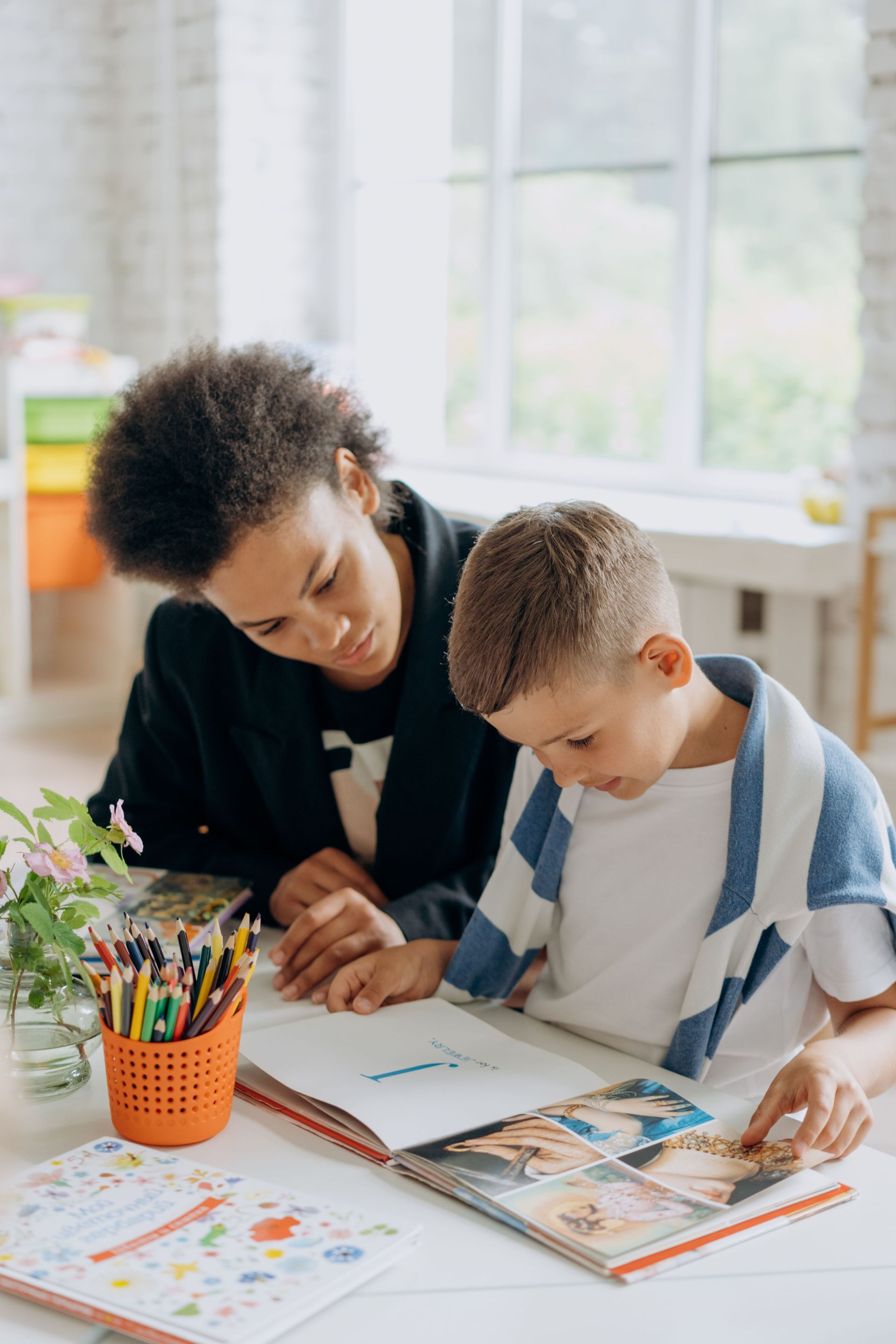
- Sitting side by side during homework rather than directing from across the room
- Noticing effort instead of only outcomes
Even brief check-ins throughout the day can help children feel grounded. A note in a lunchbox. A quick text to a teen before a big test. A few extra minutes at bedtime. These moments may seem small to adults, but they can mean everything to a child.
For younger children, connection may involve joining them in play for a few uninterrupted minutes. For older children and teens, it may mean listening without immediately offering advice. Tailoring connection to a child’s developmental stage helps them feel understood.
The Role of Emotional Availability
Being physically present is important. Being emotionally available is equally essential.
Emotional availability means responding to feelings with curiosity rather than dismissal. It means noticing subtle shifts in mood and checking in gently. It means setting aside distractions, even briefly, to show that your child’s inner world matters.
When children feel emotionally safe, they are more likely to open up about challenges. This ongoing openness strengthens trust over time.
Connection Builds Emotional Resilience
Children who experience regular moments of connection are better equipped to navigate stress and disappointment. When they know they have a safe place to land emotionally, challenges feel more manageable.
Small moments of connection also help children learn how to build healthy relationships. They begin to understand what it feels like to be heard and valued. This shapes how they treat others and what they expect in their own friendships and future relationships.
Over time, consistent connection supports stronger communication skills, greater empathy, and improved emotional regulation.
Making Connection a Daily Practice
Life is busy. Work schedules, school activities, and responsibilities can easily fill every hour. Connection does not require large blocks of time. It requires small pockets of intentional presence.
Consider choosing one predictable time each day to focus on connection. It could be during breakfast, after school, or before bed. Even five consistent minutes can strengthen the bond between caregiver and child.
It can also help to reflect at the end of the day. Ask yourself, Did my child feel seen today. Did I pause long enough to listen. Small adjustments can lead to meaningful change.
When children feel consistently connected, they carry that sense of security with them into the world.
At Society of Care, we believe that emotional wellness grows through everyday relationships. Big gestures have their place, but it is often the quiet, repeated moments of care that shape a child’s sense of safety, belonging, and worth.
Looking for more simple, supportive tools for the loved ones in your care? Enjoy these additional resources and explore our blog for ideas that help you nurture connection, one moment at a time. Or, Join our mailing list where we share more resources that accompany our blog posts.
Join Our Mailing List