Supporting Children Through Friendship Changes and Shifting Social Circles
Friendships play a powerful role in a child’s emotional world. As children grow, their social circles naturally change. Friends move away, interests shift, and group dynamics evolve. While these changes are a normal part of development, they can still feel confusing or painful for kids.
Adults sometimes assume friendship changes are minor or temporary. For children, they can feel deeply personal. Losing a close friend or feeling left out can bring sadness, self-doubt, or worry about belonging. How adults respond during these moments can shape how children understand relationships and their own sense of worth.
Why Friendship Changes Can Feel So Big to Kids
Children often define themselves through their friendships. A friend can represent safety, fun, and acceptance. When that relationship changes, kids may feel unsure about where they fit or whether something is wrong with them.
Younger children may struggle to understand why a friend no longer wants to play or why a familiar routine has changed. Older children and teens may worry about social status, group acceptance, or being excluded from peer groups. These experiences can stir feelings of embarrassment, anger, or loneliness, even if the change happens gradually.
For many children, friendship shifts also bring a sense of loss. It is important to recognize that grief can exist even when no one has done anything wrong.
Signs a Child May Be Struggling
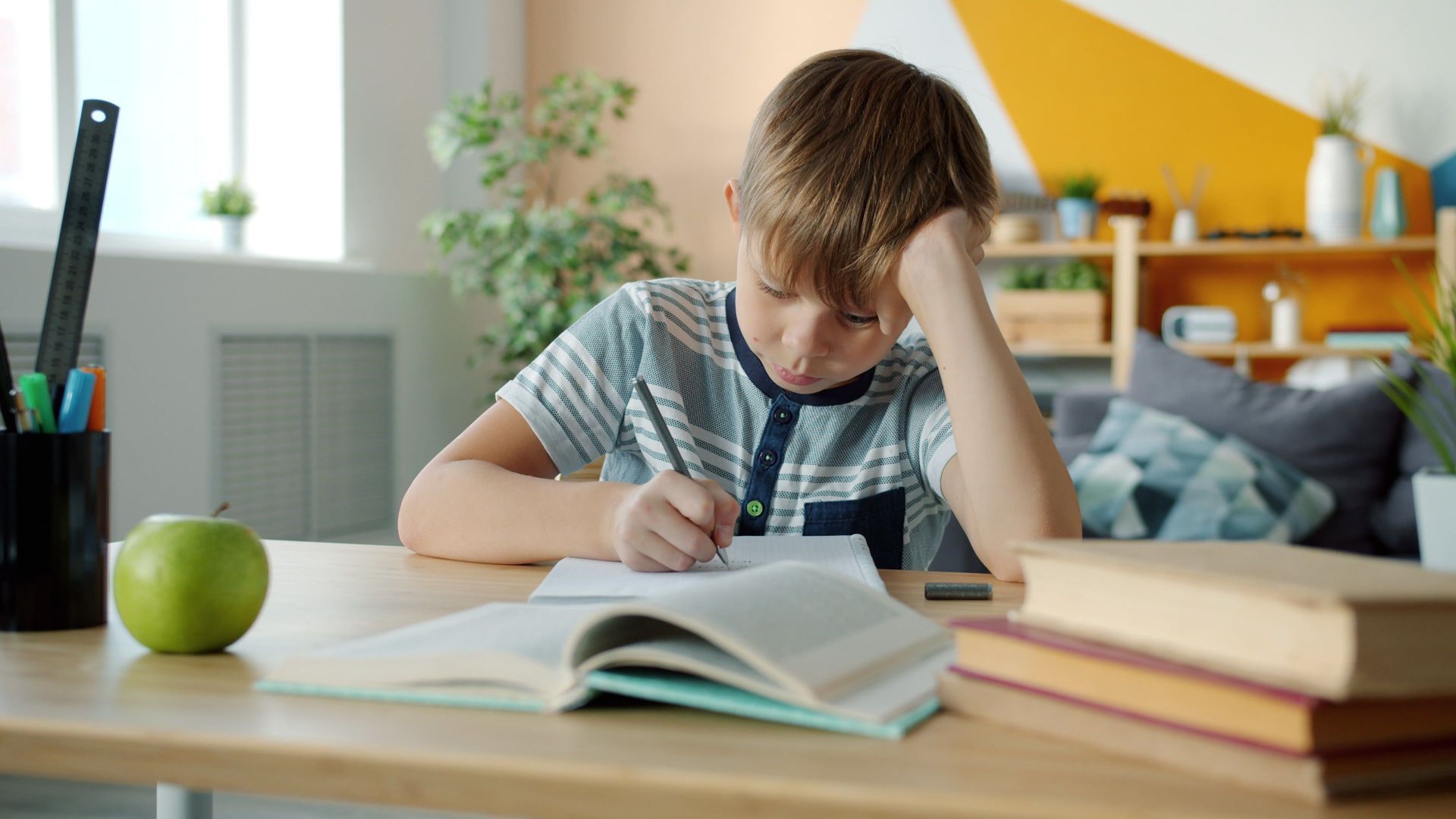
Friendship changes do not always show up through words. Some children may withdraw, become more irritable, or lose interest in activities they once enjoyed. Others may show increased emotional sensitivity or seem more easily overwhelmed.
Physical complaints, such as headaches or stomachaches, can also be signs of emotional stress. Changes in sleep, appetite, or school engagement may signal that a child is having a hard time adjusting. Paying attention to these patterns allows caregivers to step in early with support and understanding.
How Caregivers Can Offer Support
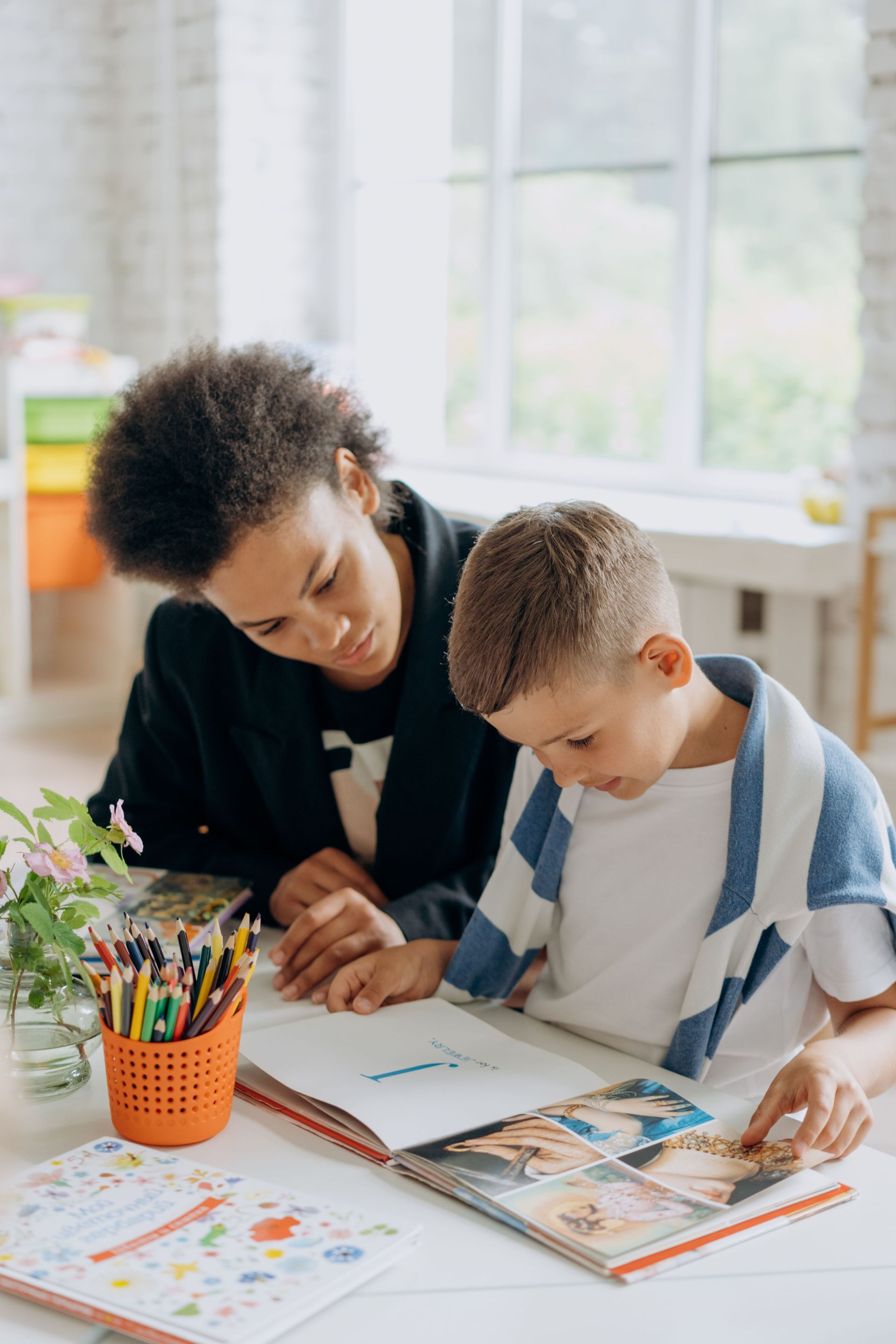
One of the most helpful things adults can do is create space for open conversation. Asking gentle, open-ended questions allows children to share their feelings at their own pace. Showing curiosity rather than judgment helps children feel safe being honest.
Listening without rushing to fix the situation is important. Children often need validation before they are ready for problem-solving. Statements that acknowledge their feelings can help reduce shame and self-blame.
It can also be helpful to normalize change. Letting children know that friendships naturally evolve over time can ease feelings of failure or rejection. Avoid minimizing their emotions, even if the situation seems small from an adult perspective.
Teaching Healthy Relationship Skills
Friendship challenges can be opportunities to talk about what healthy relationships look like. Discussing kindness, communication, and mutual respect helps children understand that friendships should feel supportive rather than stressful.
Caregivers can also model these skills through everyday interactions. Children learn a great deal by watching how adults handle disagreements, express empathy, and maintain boundaries in their own relationships.
Helping Children Build Emotional Resilience
Supporting children through friendship changes helps build emotional resilience. Encouraging children to explore interests, join activities, or spend time with different peers can gently expand their social world.
Reminding children that their value does not depend on one relationship is especially important. Highlighting their strengths, interests, and personal qualities reinforces a sense of self that extends beyond friendships.
Over time, children who feel supported through social changes are better equipped to navigate future relationship challenges with confidence and empathy.
When Extra Support May Help
If a child seems persistently sad, anxious, or withdrawn, additional support may be beneficial. A counselor or mental health professional can help children process complex emotions and develop healthy coping strategies.
At Society of Care, we believe emotional well-being includes helping children navigate relationships with compassion and care. Friendship changes are a natural part of growing up, but children thrive when they know they are supported, understood, and never alone in their feelings.
Looking for more simple, supportive tools for the loved ones in your care? Enjoy these additional resources and explore our blog for ideas that help you nurture connection, one moment at a time. Or, Join our mailing list where we share more resources that accompany our blog posts.
Join Our Mailing List