The Healing Impact of Nature and Traditional Outdoor Activities
Nature, Community, Connection
For generations, Indigenous communities have recognized the deep connection between people, the land, and overall well-being. Nature has long been a source of learning, healing, cultural identity, and community connection. Today, many Native youth continue to benefit from spending time outdoors and participating in traditional activities that strengthen both their mental and emotional health.
As summer arrives and families spend more time outside, it presents an opportunity to reconnect with practices that support resilience and wellness. While modern life often pulls young people toward screens, busy schedules, and indoor activities, time spent in nature can offer a powerful reminder of the importance of balance, connection, and belonging.
Nature Supports Mental and Emotional Wellness
Research continues to show that spending time outdoors can have a positive impact on mental health. Time in natural settings has been associated with reduced stress, improved mood, increased focus, and greater emotional well-being.
For young people, nature can provide a healthy space to slow down, reflect, and recharge. Whether walking along a trail, fishing with family members, gathering traditional plants, or simply spending time outside, these experiences can help reduce feelings of stress and overwhelm.
Nature often encourages mindfulness without requiring young people to intentionally practice it. Listening to birds, watching wildlife, feeling the wind, or observing changes in the seasons naturally brings attention to the present moment. These experiences can create a sense of calm that supports emotional wellness.
Traditional Outdoor Activities Strengthen Identity
Many traditional outdoor activities carry lessons that extend far beyond the activity itself. Hunting, fishing, gathering, gardening, horseback riding, storytelling around a fire, and participating in cultural ceremonies often provide opportunities for youth to learn important values and skills.
These experiences help strengthen cultural identity by connecting young people to traditions that have been passed down through generations. Through these activities, youth gain knowledge about their community, history, and cultural teachings while developing a deeper understanding of their place within those traditions.
A strong sense of identity can serve as an important protective factor for mental health. When young people understand where they come from and feel connected to their culture, they often develop greater confidence, self-esteem, and resilience.
Learning From Elders and Community Members
Many traditional outdoor activities create opportunities for meaningful interactions between generations. Elders and community members often share stories, teachings, and life experiences while participating in activities on the land.
These conversations can have a lasting impact on young people. Beyond learning practical skills, youth gain wisdom, guidance, and a sense of belonging. They learn that they are part of a larger community and that their experiences are connected to those who came before them.
Strong relationships with elders and trusted adults contribute to emotional wellness by helping youth feel supported, valued, and understood.
Outdoor Experiences Build Confidence and Resilience
Outdoor activities often encourage young people to try new things, solve problems, and overcome challenges. Learning how to fish, navigate a trail, care for animals, or participate in traditional practices can foster a sense of accomplishment and self-reliance.
Resilience is not about avoiding challenges. It is about developing the skills and support needed to work through them. Outdoor experiences naturally provide opportunities for growth by teaching patience, perseverance, adaptability, and confidence.
When youth successfully navigate challenges in nature or traditional activities, they build skills that can help them face challenges in other areas of life as well.
Creating Opportunities for Connection This Summer
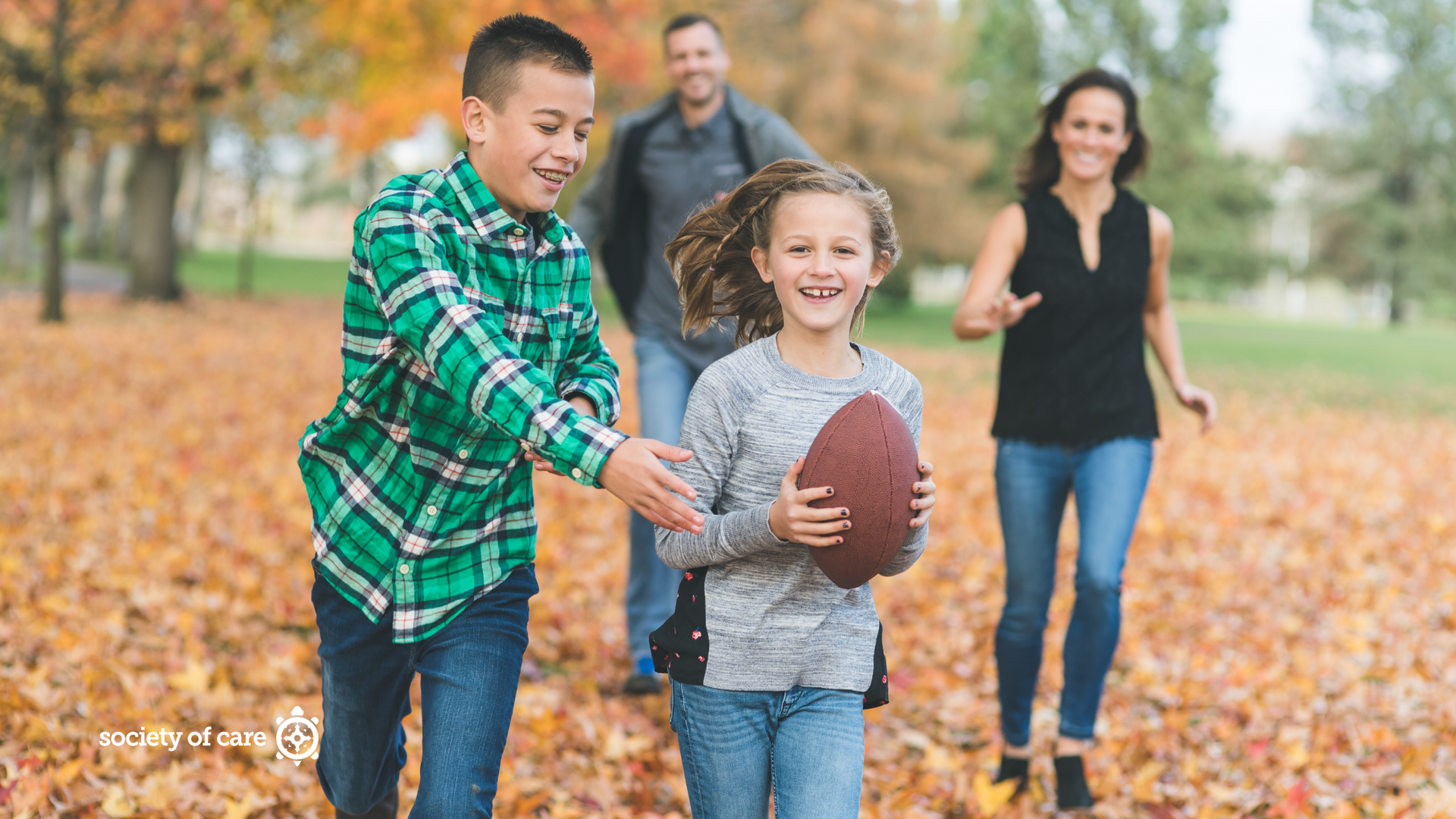
Families and communities do not need elaborate plans to help young people benefit from nature. Small, intentional experiences can make a meaningful difference.
Consider opportunities such as:
- Taking family walks in natural areas
- Participating in community cultural events
- Fishing, camping, or hiking together
- Learning about local plants and wildlife
- Sharing stories and teachings outdoors
- Visiting culturally significant places
- Involving youth in gardening or community projects
- Encouraging participation in traditional seasonal activities
What matters most is creating opportunities for connection, learning, and shared experiences.
Looking Ahead
The connection between nature, culture, and well-being has been recognized by Indigenous communities for generations. As Native youth navigate the opportunities and challenges of growing up in today's world, spending time outdoors and participating in traditional activities can provide important sources of strength, identity, and resilience.
This summer, families and communities can support youth mental health by creating opportunities to connect with the land, learn from one another, and engage in meaningful traditions. These experiences do more than fill time. They help build confidence, foster belonging, and strengthen the relationships that support lifelong wellness.
Looking for more simple, supportive tools for the loved ones in your care? Enjoy these additional resources and explore our blog for ideas that help you nurture connection, one moment at a time. Or, Join our mailing list where we share more resources that accompany our blog posts.
Join Our Mailing List