The Power of Positive Role Models in Native Communities
Every Young Person Deserves Someone Who Believes In Them
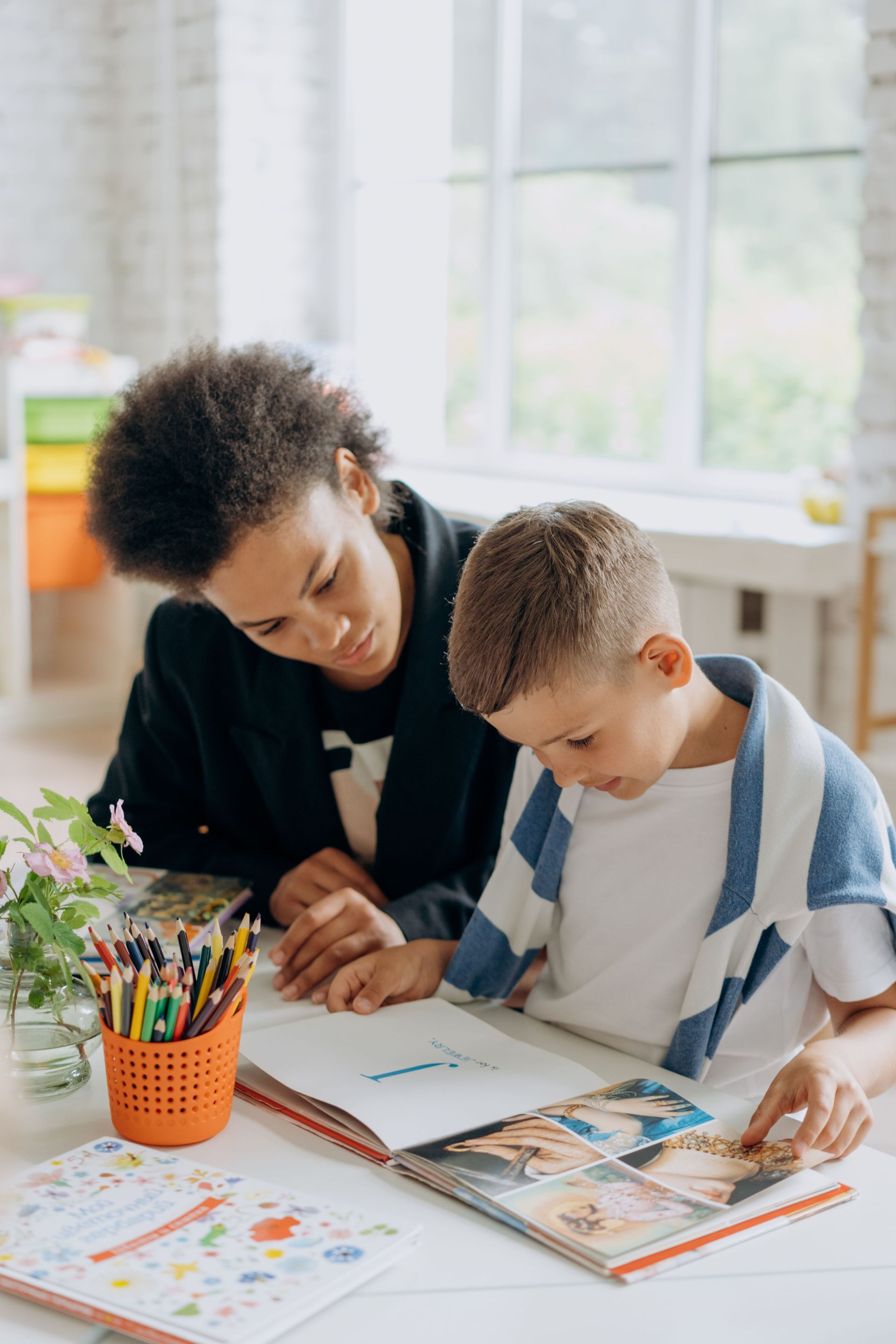
A trusted adult who offers encouragement, shares wisdom, and helps them navigate life's challenges can make a lasting difference in their future. For Native youth, positive role models often do even more than provide guidance. They help preserve cultural traditions, strengthen identity, and foster resilience.
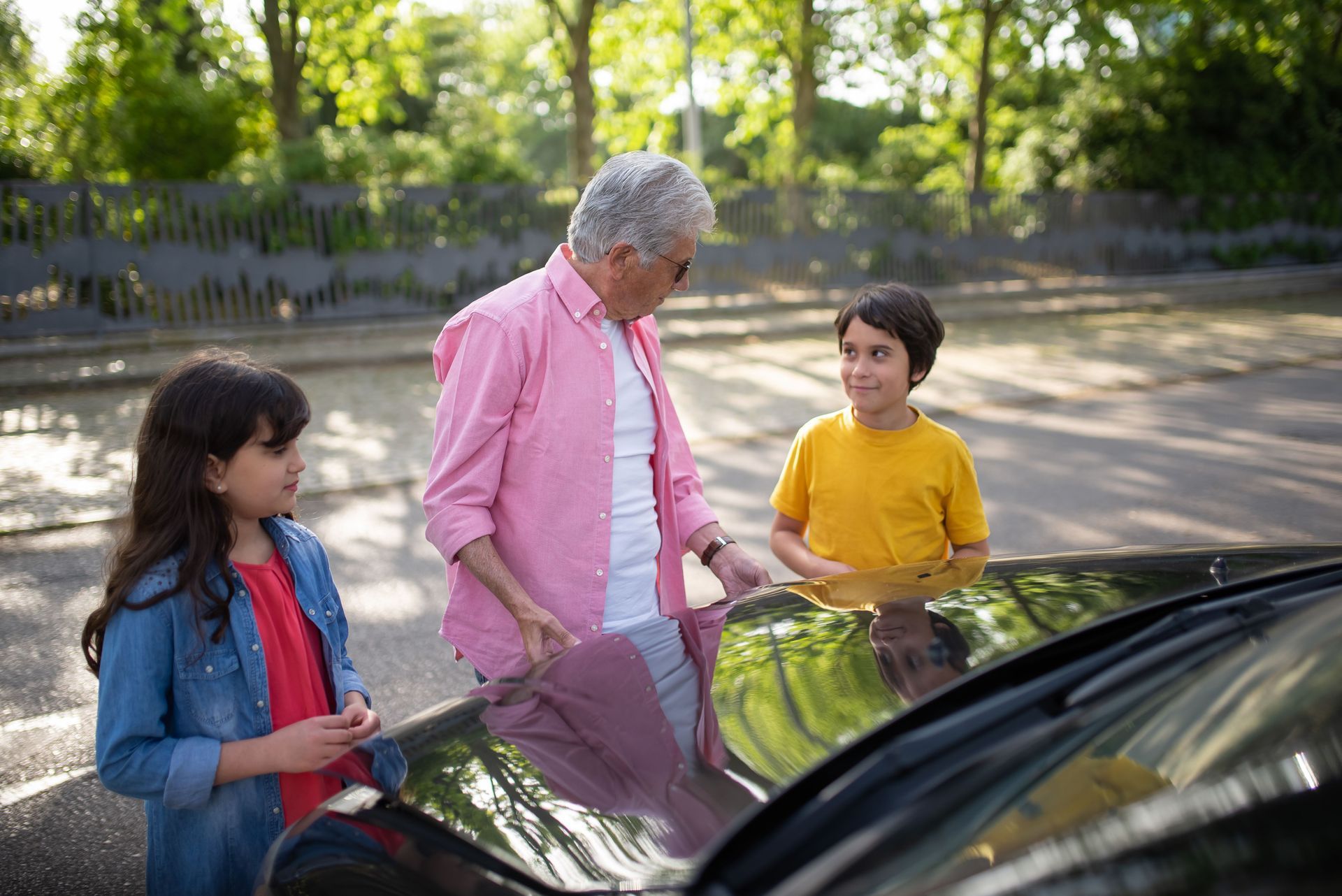
Whether they are parents, grandparents, elders, teachers, coaches, mentors, or community leaders, positive role models help young people recognize their strengths and understand that they are never alone. These relationships create a foundation of support that promotes mental wellness and empowers youth to grow with confidence.
Why Positive Role Models Matter
Young people learn by observing the people around them. They watch how adults respond to challenges, treat others, communicate, and solve problems. Positive role models demonstrate healthy behaviors that youth often carry into adulthood.
When young people have consistent, supportive adults in their lives, they are more likely to:
- Develop healthy self-esteem
- Build resilience during difficult times
- Form positive relationships with others
- Make healthy decisions
- Feel connected to their families and communities
- Reach out for support when they need it
Research has consistently shown that strong relationships with caring adults are among the most important protective factors for youth mental health. Knowing that someone believes in them can help young people develop confidence, hope, and a stronger sense of purpose.
The Unique Role of Elders
Within many Native communities, elders play a vital role in supporting younger generations. They are keepers of cultural knowledge, history, traditions, and language. Their stories and teachings help youth understand where they come from and the values that have guided their communities for generations.
Time spent with elders often extends beyond learning traditional practices. It also provides opportunities to build meaningful relationships based on trust, respect, and shared experiences. These connections can strengthen emotional well-being by giving youth a sense of belonging and continuity. They remind young people that they are part of a larger story and that their lives are connected to those who came before them and those who will come after.
Everyday Mentors Make a Difference
Positive role models are not limited to formal mentorship programs. Sometimes the adults who have the greatest impact are those who consistently show up in everyday life.
Teachers who encourage students to believe in themselves, coaches who celebrate effort rather than perfection, neighbors who offer guidance, and family friends who simply take time to listen all contribute to a young person's development. These everyday interactions help youth feel valued and supported. Even small acts of encouragement can leave lasting impressions that shape how young people view themselves and their future.
Cultural Identity Strengthens Resilience
For Native youth, cultural identity can be a powerful source of strength. Participation in cultural traditions, community events, language preservation efforts, storytelling, and traditional activities helps foster a sense of belonging and purpose.
A strong connection to culture reminds young people that they are part of something larger than themselves. It reinforces values, teachings, and community support systems that have helped Indigenous peoples persevere through generations of challenges.
Research has shown that strong cultural identity is associated with positive mental health outcomes, increased self-esteem, and greater resilience among Indigenous youth. When young people understand who they are and where they come from, they often feel more confident navigating life's challenges.
Modeling Healthy Ways to Handle Challenges
Role models do not need to appear perfect to make a positive impact. In fact, one of the most valuable lessons adults can teach is how to respond to setbacks with honesty, resilience, and hope.
When adults acknowledge difficult emotions, seek help when needed, and demonstrate healthy coping strategies, they show young people that everyone faces challenges and that asking for support is a sign of strength. This modeling helps reduce stigma around mental health while encouraging youth to develop healthy ways of managing stress and adversity.
Strengthening Cultural Identity
Positive role models also help Native youth connect with their cultural identity. Participating in traditional activities, attending community events, learning Native languages, practicing cultural arts, and sharing stories all contribute to a stronger sense of belonging.
A strong cultural identity has been associated with positive mental health outcomes, greater self-esteem, and increased resilience among Indigenous youth. Role models who share cultural knowledge help ensure these traditions continue while reinforcing the message that Native youth have a rich heritage to be proud of.
These experiences provide young people with both a sense of identity and a network of support that extends beyond their immediate family.
Becoming the Role Model Young People Need
Every adult has the opportunity to make a positive difference in a young person's life. Being a role model does not require having all the answers. It begins with being present, listening with compassion, and showing genuine care.
Adults can support Native youth by:
- Spending quality time together
- Listening without judgment
- Encouraging effort and perseverance
- Sharing family and cultural stories
- Participating in community events
- Demonstrating healthy coping skills
- Celebrating accomplishments, both big and small
- Reminding young people of their strengths and potential
Consistent encouragement helps youth develop confidence that lasts far beyond childhood.
Looking Ahead
Positive role models help shape more than individual lives. They strengthen families, preserve cultural traditions, and build healthier communities for future generations.
When Native youth are surrounded by caring adults who believe in them, they are more likely to develop resilience, embrace their identity, and approach life's challenges with confidence. Every conversation, every shared experience, and every act of encouragement contributes to a stronger future.
The guidance offered today can become the foundation upon which tomorrow's leaders, caregivers, and community members continue to thrive.
Looking for more simple, supportive tools for the loved ones in your care? Enjoy these additional resources and explore our blog for ideas that help you nurture connection, one moment at a time. Or, Join our mailing list where we share more resources that accompany our blog posts.
Join Our Mailing List