What Resilience Really Looks Like in Young People
What Comes to Mind When You Think of Resilience?
When people hear the word resilience, they often picture someone who never struggles, never gets discouraged, and always seems strong in the face of adversity. While this image may be common, it does not accurately reflect what resilience truly looks like, especially in young people.
Resilience is not about avoiding challenges or pretending difficult emotions do not exist. It is about developing the skills, relationships, and support systems needed to navigate life's ups and downs. For Native youth, resilience is often rooted in culture, community, family, and identity. Understanding resilience in this way can help caregivers, educators, and community members better support the next generation.
Resilience Does Not Mean Being Tough All the Time
One of the biggest misconceptions about resilience is that strong people should be able to handle everything on their own. In reality, resilience is not about never needing help.
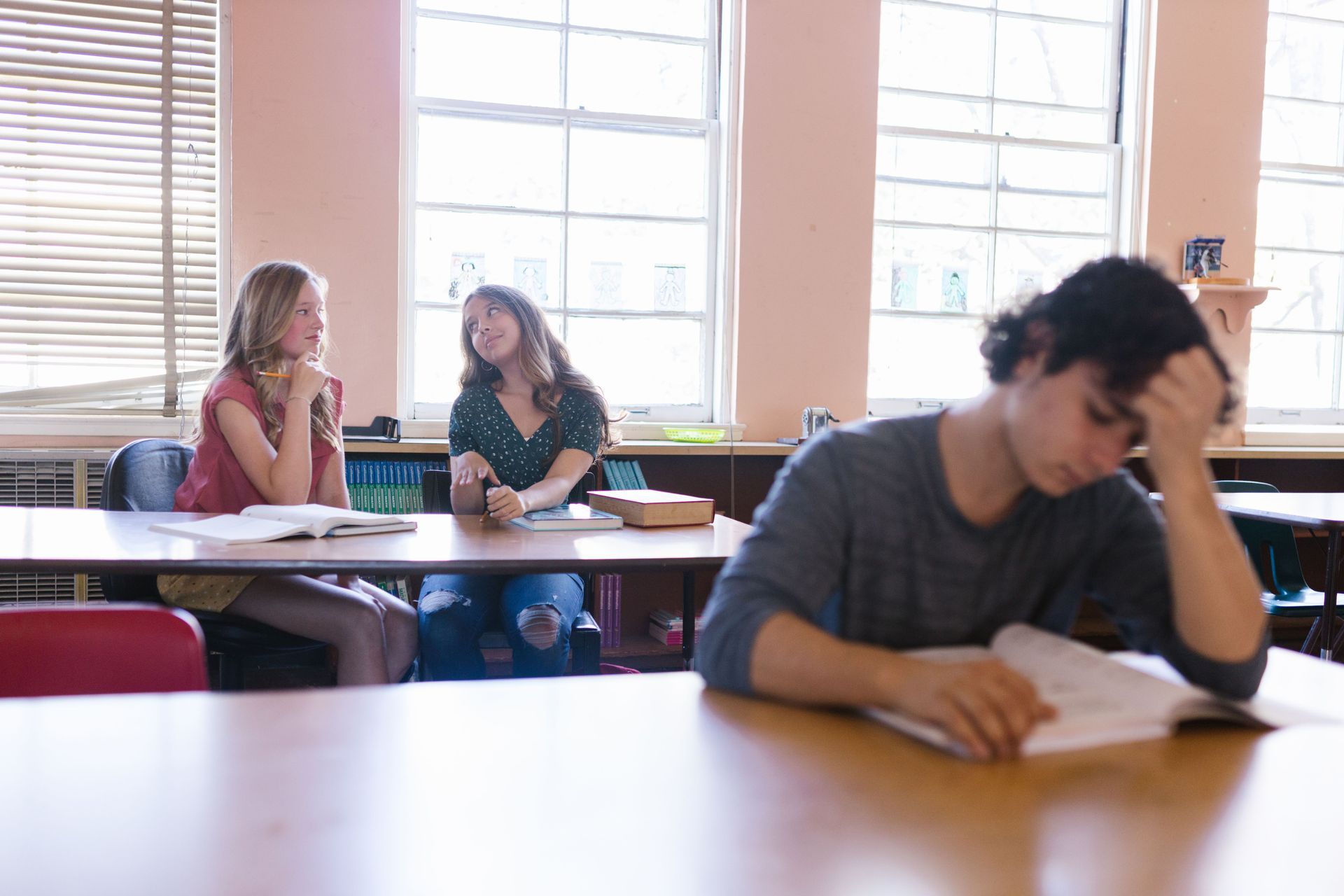
Young people experience stress, disappointment, grief, uncertainty, and other challenges just like adults do. Resilient youth are not those who never struggle. They are often the ones who know how to ask for support, express their feelings, and use healthy coping skills when challenges arise.
Allowing young people to experience emotions without judgment helps them develop emotional awareness and confidence. When youth learn that it is okay to feel sad, frustrated, worried, or overwhelmed, they are better equipped to work through those feelings in healthy ways.
Resilience Is Built Through Relationships
Research consistently shows that supportive relationships are among the strongest protective factors for youth mental health. Caring adults help young people feel safe, valued, and connected.
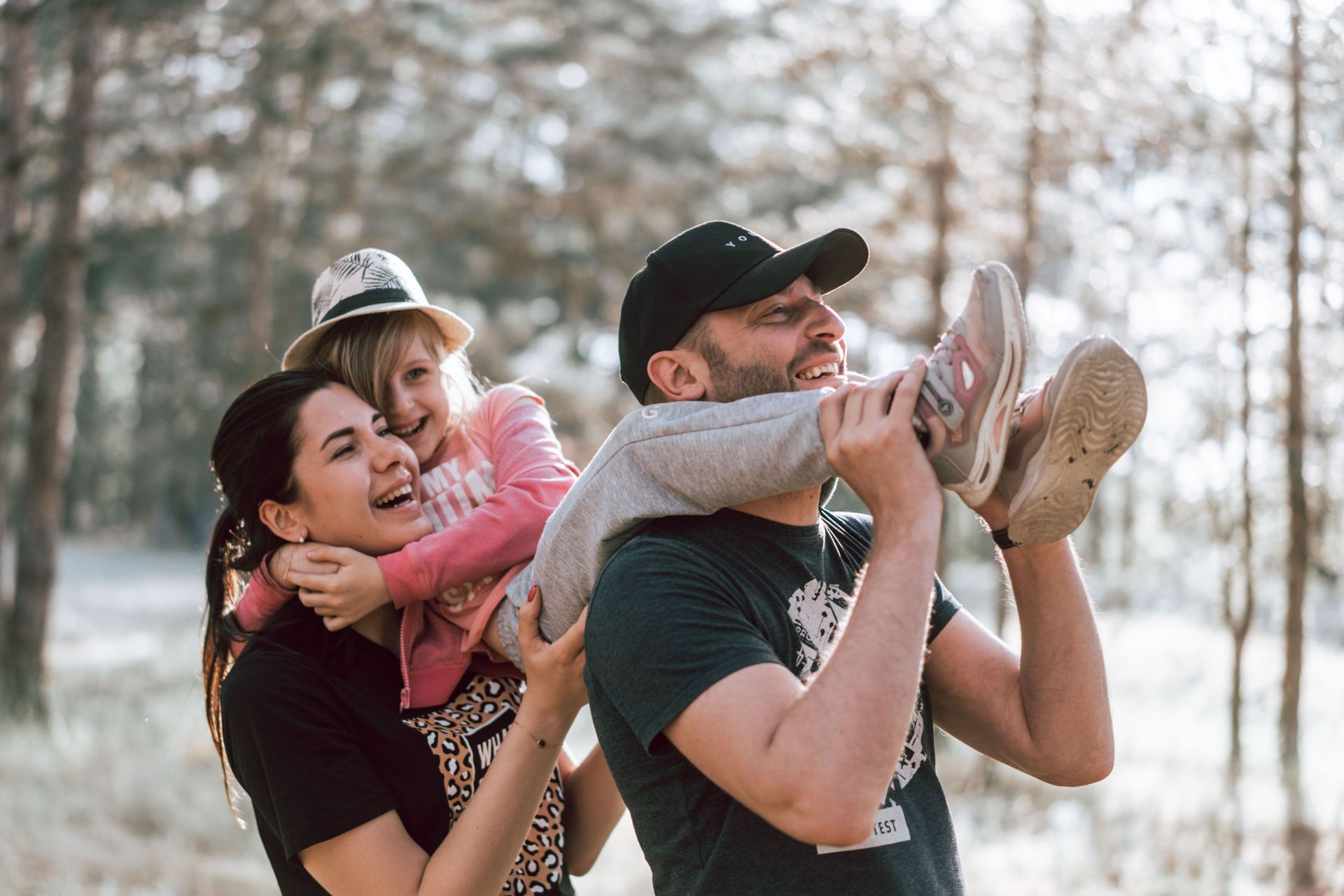
Parents, caregivers, grandparents, elders, teachers, coaches, and mentors all play important roles in helping youth build resilience. These trusted relationships provide encouragement during difficult times and help young people recognize their strengths.
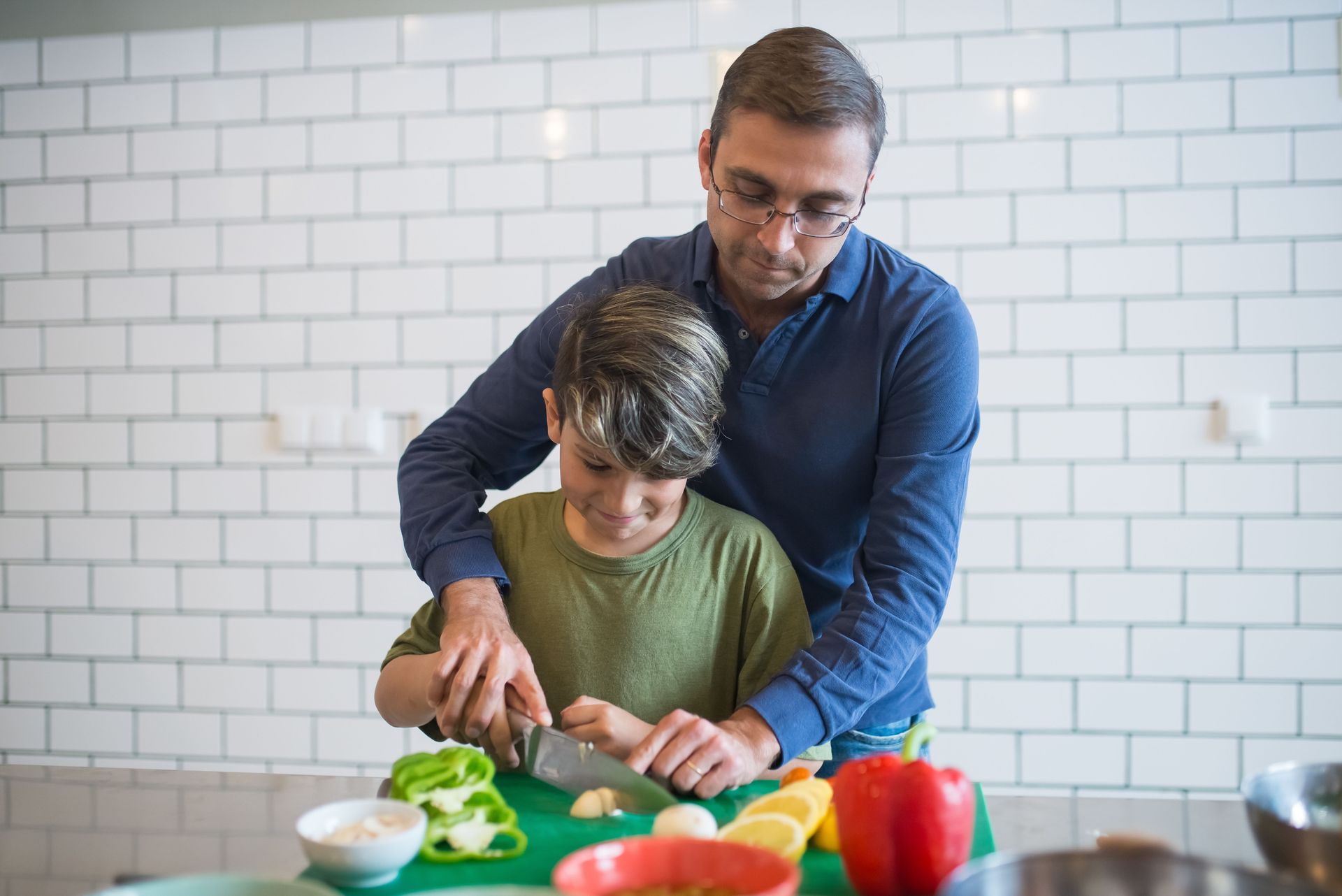
Sometimes resilience grows through simple actions, such as listening without judgment, offering encouragement, spending quality time together, or reminding a young person that they are not facing challenges alone.
For many Native youth, connections to family, elders, and community members provide a strong foundation that supports emotional well-being and personal growth.
Challenges Can Help Build Resilience
While no one wants young people to experience hardship, overcoming age-appropriate challenges can help them develop important life skills.
Learning how to solve problems, recover from setbacks, adapt to change, and manage disappointment helps youth build confidence in their ability to handle future obstacles. Every challenge successfully navigated becomes evidence that they are capable of facing difficulties and continuing forward.
Adults can support this process by offering guidance and encouragement while allowing youth opportunities to learn from experience. Providing support without immediately solving every problem helps young people develop independence and resilience..
Cultural Identity Strengthens Resilience
For Native youth, cultural identity can be a powerful source of strength. Participation in cultural traditions, community events, language preservation efforts, storytelling, and traditional activities helps foster a sense of belonging and purpose.
A strong connection to culture reminds young people that they are part of something larger than themselves. It reinforces values, teachings, and community support systems that have helped Indigenous peoples persevere through generations of challenges.
Research has shown that strong cultural identity is associated with positive mental health outcomes, increased self-esteem, and greater resilience among Indigenous youth. When young people understand who they are and where they come from, they often feel more confident navigating life's challenges.
Resilience Includes Taking Care of Mental Health
Another misconception is that resilient people should simply "push through" difficult situations. In reality, caring for mental health is an important part of resilience. Seeking support from trusted adults, counselors, healthcare providers, or community resources demonstrates strength, not weakness. Learning healthy coping strategies such as physical activity, creative expression, spending time in nature, practicing mindfulness, or connecting with supportive peers can help youth manage stress effectively.
Resilience grows when young people have access to resources and feel empowered to use them.
How Adults Can Help Build Resilience
Adults can support resilience in young people by:
- Creating safe and supportive environments
- Encouraging open conversations about emotions
- Celebrating effort and growth, not just outcomes
- Helping youth develop problem-solving skills
- Providing opportunities for leadership and responsibility
- Strengthening cultural connections and community involvement
- Modeling healthy coping strategies
- Offering consistent encouragement and support
These everyday actions help young people build the confidence and skills they need to face challenges throughout life.
Looking Ahead
Resilience is not something young people either have or do not have. It is a process that develops over time through relationships, experiences, cultural connection, and support.
For Native youth, resilience often reflects the strength of family bonds, community relationships, cultural identity, and the teachings passed down through generations. By understanding what resilience truly looks like, adults can better support young people as they grow, learn, and navigate life's challenges.
When youth know they are supported, connected, and valued, they are more likely to develop the confidence and resilience needed to thrive both now and in the future.
Looking for more simple, supportive tools for the loved ones in your care? Enjoy these additional resources and explore our blog for ideas that help you nurture connection, one moment at a time. Or, Join our mailing list where we share more resources that accompany our blog posts.
Join Our Mailing List