How Cultural Identity Can Help Children Feel Grounded at School
A New School Year Can Bring New Questions
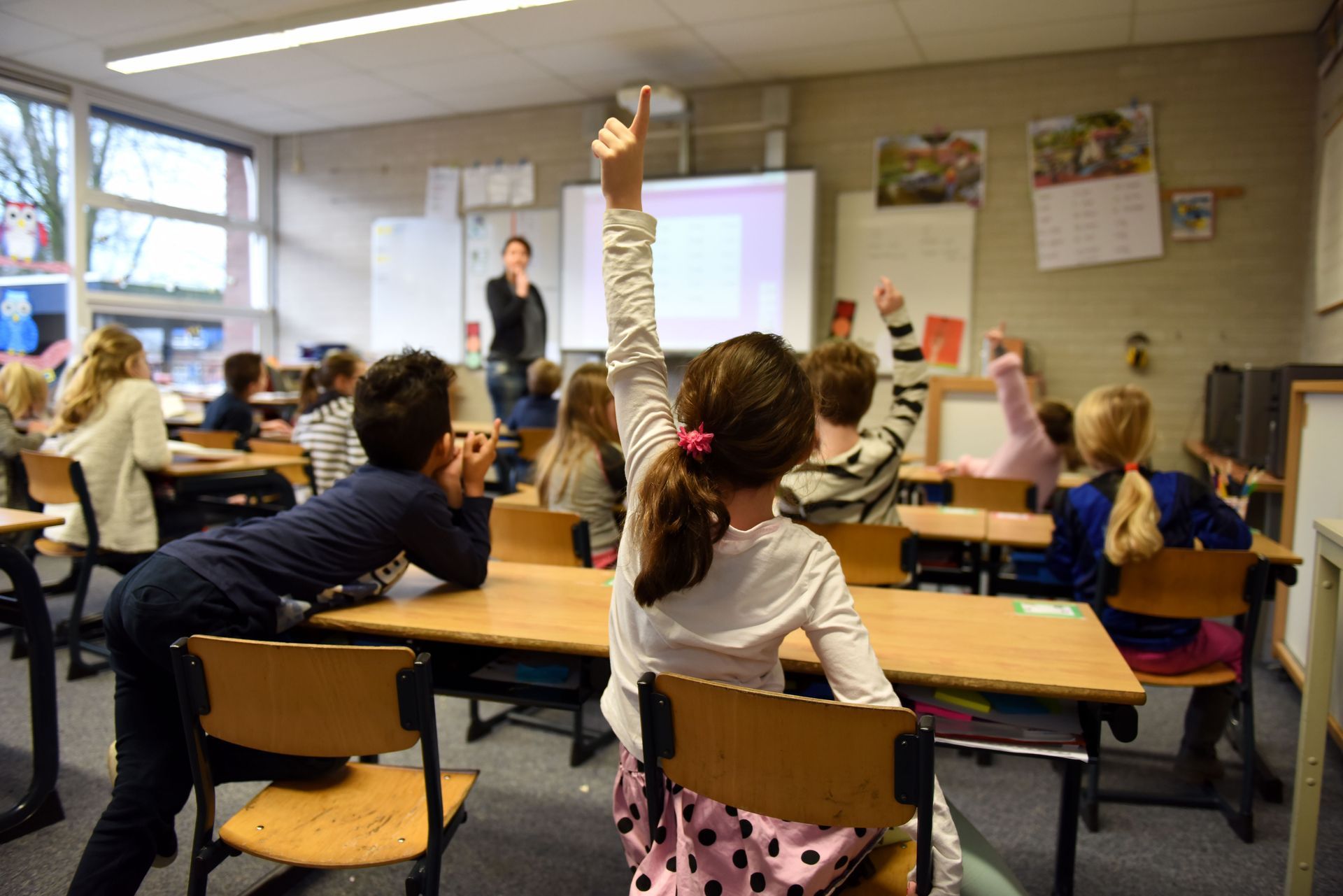
The beginning of a school year asks children to adjust to many things at once. They may be meeting new teachers, entering unfamiliar classrooms, reconnecting with friends, and learning new routines and expectations. Even children who are excited to return can feel uncertain as they try to understand where they fit within their school community.
For Native youth, the transition may also bring questions about identity, belonging, and how much of themselves they feel comfortable sharing with others. Some students attend schools where Native culture is visible and respected. Others may be one of only a few Native students in their classroom or may encounter classmates and adults who have a limited understanding of their culture.
During these moments, a strong connection to family, community, and culture can give children something steady to hold onto. Cultural identity can remind young people who they are, where they come from, and that they belong to a story much larger than a single classroom or school year.
At Society of Care, we believe cultural connection is an important part of supporting the wellness of Native youth. Our work is family driven, youth guided, community based, and grounded in culturally sensitive care for Native youth and families throughout Nebraska.
Culture Helps Build a Strong Sense of Self
Cultural identity can include many parts of a young person’s life. It may be strengthened through family stories, Tribal history, language, songs, dance, traditional foods, art, ceremonies, community gatherings, time with Elders, or the values practiced within the home.
These connections help children understand that their identity is not determined by whether others recognize or understand it. They do not have to depend entirely on the approval of classmates, teachers, or social groups to know that they have value.
Research and culturally grounded youth programs have found connections between cultural identity, belonging, self-esteem, resilience, and overall well-being among Indigenous youth. School connectedness is also important. When students feel cared for, supported, and valued at school, that sense of belonging can promote mental and emotional wellness.
A child who feels secure in who they are may be better prepared to enter a new environment with confidence. This does not mean they will never feel nervous, left out, or misunderstood. It means they have a stronger foundation to return to when those experiences occur.
Cultural Connection Can Be Part of Everyday Life
Families do not need to create a formal lesson every time they want to strengthen cultural identity. Some of the most meaningful learning happens naturally through everyday conversations and shared experiences.
Caregivers might tell stories about relatives and ancestors, explain the meaning behind a family tradition, prepare a familiar meal together, practice words from a Native language, attend community events, or encourage time with Elders and cultural mentors. Children can also learn through music, artwork, books, photographs, traditional games, outdoor activities, and conversations about both historical and contemporary Native people.
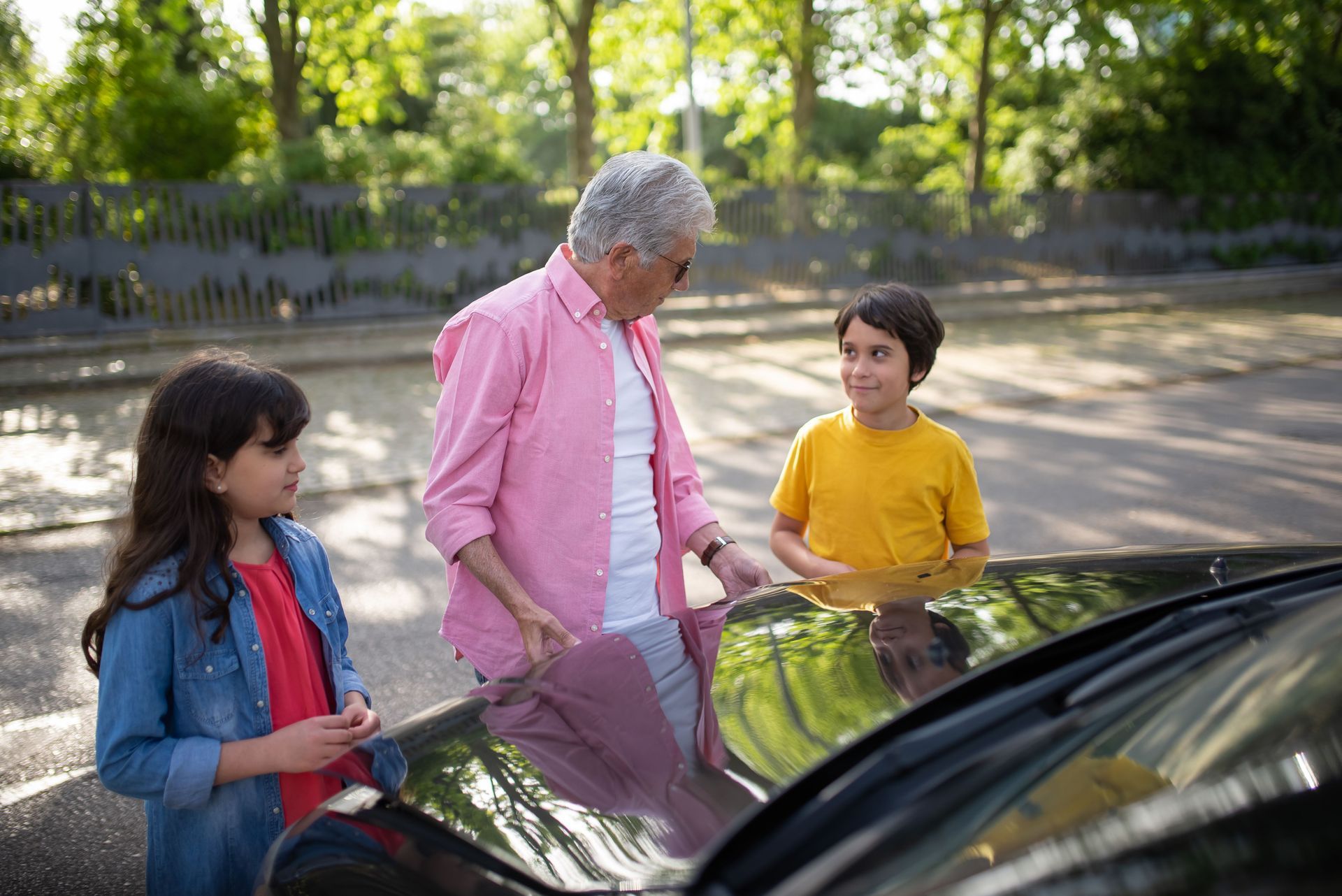
Consistency matters more than creating a perfect activity. A short conversation in the car, a story shared over dinner, or a phone call with a relative can remind children that culture is part of their daily lives, not something limited to a special event or a classroom lesson.
There is also no single way to experience or express Native identity. Every Tribe, community, and family has its own teachings, traditions, and experiences. Some young people may already feel closely connected to their culture, while others may be curious, still learning, or reconnecting after time away. Each child should have the freedom to develop that connection without judgment or pressure.
Prepare Children for Questions Without Making Them Responsible for Teaching Everyone
Children may receive questions about their culture when they return to school. Some questions may come from genuine curiosity, while others may be based on stereotypes or incomplete information.
Caregivers can help by talking through these situations before they happen. Let children know that they can share what they feel comfortable sharing, but they do not have to explain their identity to everyone. They are also not responsible for representing every Native person, Tribe, or community.
Families can practice simple responses together. A child might say, “That is not true for every Native person,” “Different Tribes have different traditions,” or “I do not want to talk about that right now.” Giving children language they can use helps them set boundaries while remaining confident in who they are.
It is equally important to let children know they can ask a trusted adult for help when a comment or question makes them uncomfortable. They should not have to manage hurtful situations alone.
Help Teachers Understand What Supports Your Child
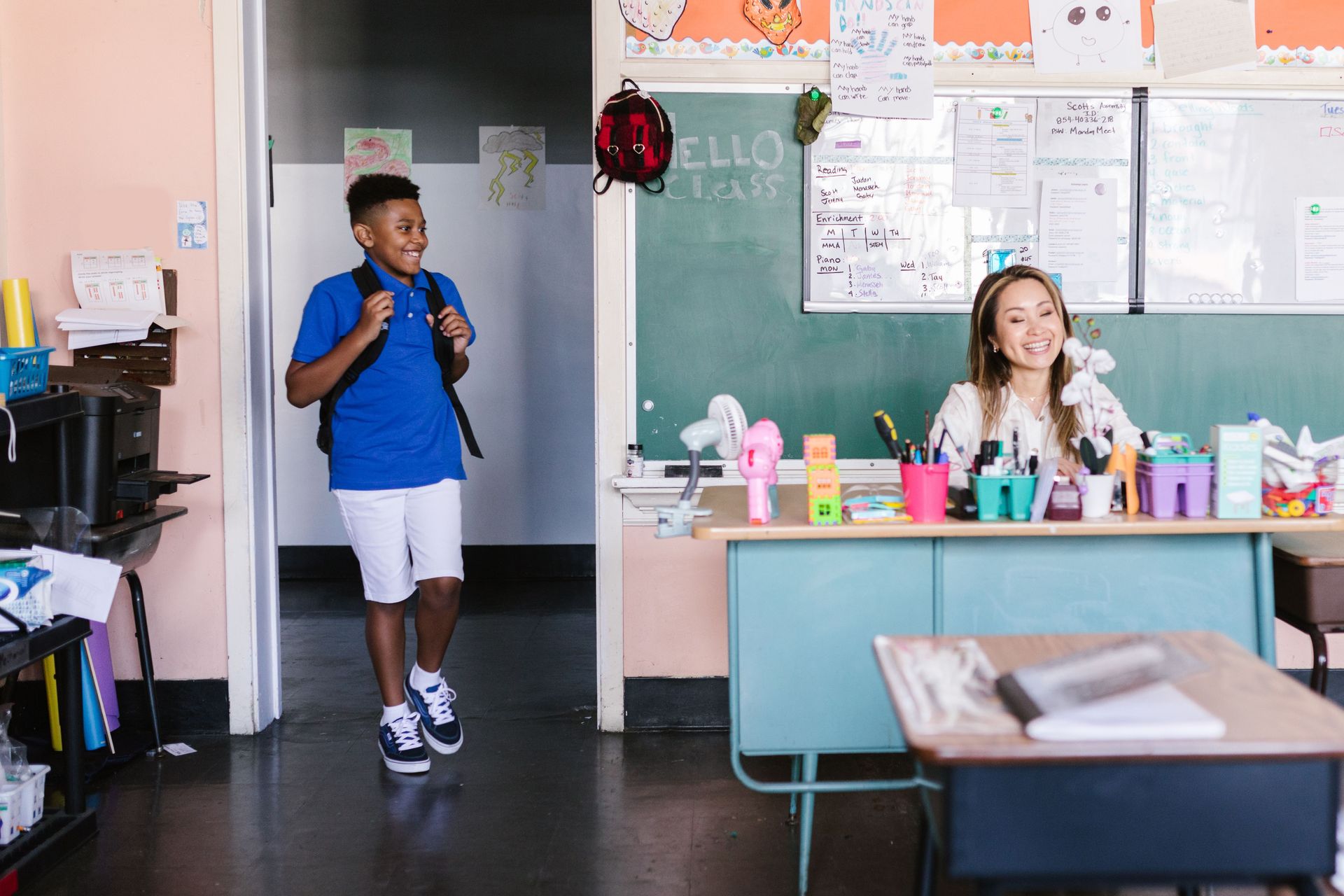
Teachers and school staff can be valuable partners in helping children feel seen and supported. At the beginning of the school year, caregivers may consider introducing themselves and sharing anything that could help the teacher create a welcoming environment.
This could include the correct pronunciation of a child’s name, cultural activities that may affect their schedule, interests they are proud of, or concerns about previous experiences at school. Families can also ask how Native history and contemporary Native life will be represented in the classroom.
These conversations do not need to be confrontational. They can begin with a shared goal of helping the child feel comfortable, respected, and ready to learn. Many educators appreciate guidance from families, especially when it helps them avoid assumptions and better understand the young people in their care.
Teachers can support Native students by including accurate and current Native perspectives, respecting differences between Tribes, avoiding stereotypes, and not expecting one student to speak on behalf of all Indigenous people. Small choices within a classroom can communicate that a child’s identity is recognized and valued.
Cultural Pride and School Belonging Can Grow Together
Children should not feel that they must choose between being successful at school and remaining connected to their culture. Cultural pride and school belonging can support one another.
A young person may find connection by participating in a Native Education program, joining a Native youth group, attending cultural events with classmates, sharing artwork or a family tradition when they feel comfortable, or building relationships with Native mentors and other students. These opportunities allow children to bring more of themselves into their school experience.
At the same time, children should never feel pressured to publicly display or perform their identity. Some may enjoy sharing with classmates, while others may prefer to keep certain teachings or traditions within their family and community. Both choices deserve respect.
The goal is not to make culture another expectation placed on a child. It is to help culture remain a source of comfort, pride, guidance, and connection.
Check In About More Than Grades
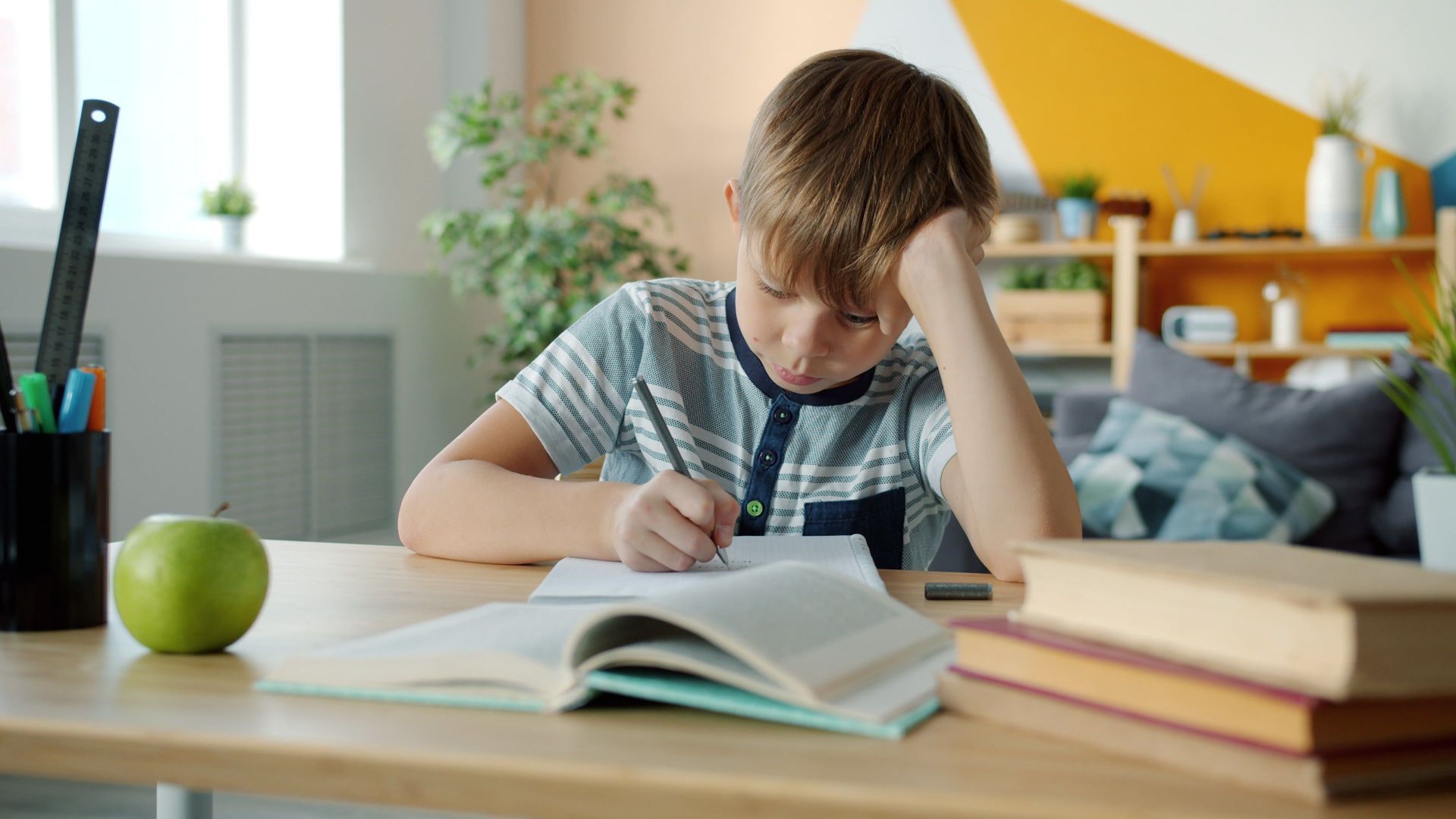
As the school year progresses, caregivers naturally ask about homework, assignments, and grades. It can also be helpful to ask questions that reveal how a child is feeling about themselves and their place at school.
Consider asking:
- When did you feel most comfortable today?
- Did you feel like you could be yourself?
- Was there anything that made you feel proud of who you are?
- Did anyone say something that made you uncomfortable?
- Is there an adult at school you feel safe talking to?
- What would help you feel more supported tomorrow?
Children may not always have an immediate answer. Regular, low-pressure conversations make it easier for them to speak up when something important does happen.
Listening is often more helpful than immediately trying to solve the problem. When caregivers respond calmly and take a child’s experience seriously, they reinforce the message that the child’s feelings and identity matter.
Knowing Where You Come From Can Help Guide Where You Are Going
School introduces young people to new knowledge, relationships, responsibilities, and possibilities. As they explore those opportunities, cultural identity can provide a steady sense of direction.
Family teachings, community connections, cultural practices, and relationships with Elders can remind children that they are supported by generations of strength and knowledge. These connections can help young people approach unfamiliar spaces without feeling that they must leave important parts of themselves behind.
At Society of Care, we recognize culture as a meaningful source of prevention, wellness, resilience, and belonging. When Native youth are encouraged to understand and take pride in who they are, they are better able to move through school and life with confidence.
As the new school year begins, families can help children feel grounded by keeping culture present in everyday life, listening carefully to their experiences, and working with schools to create respectful environments. Every story shared, tradition practiced, and supportive conversation helps remind young people that wherever they go, they carry the strength of their family, community, and culture with them.
Looking for more simple, supportive tools for the loved ones in your care? Enjoy these additional resources and explore our blog for ideas that help you nurture connection, one moment at a time. Or, Join our mailing list where we share more resources that accompany our blog posts.
Join Our Mailing List