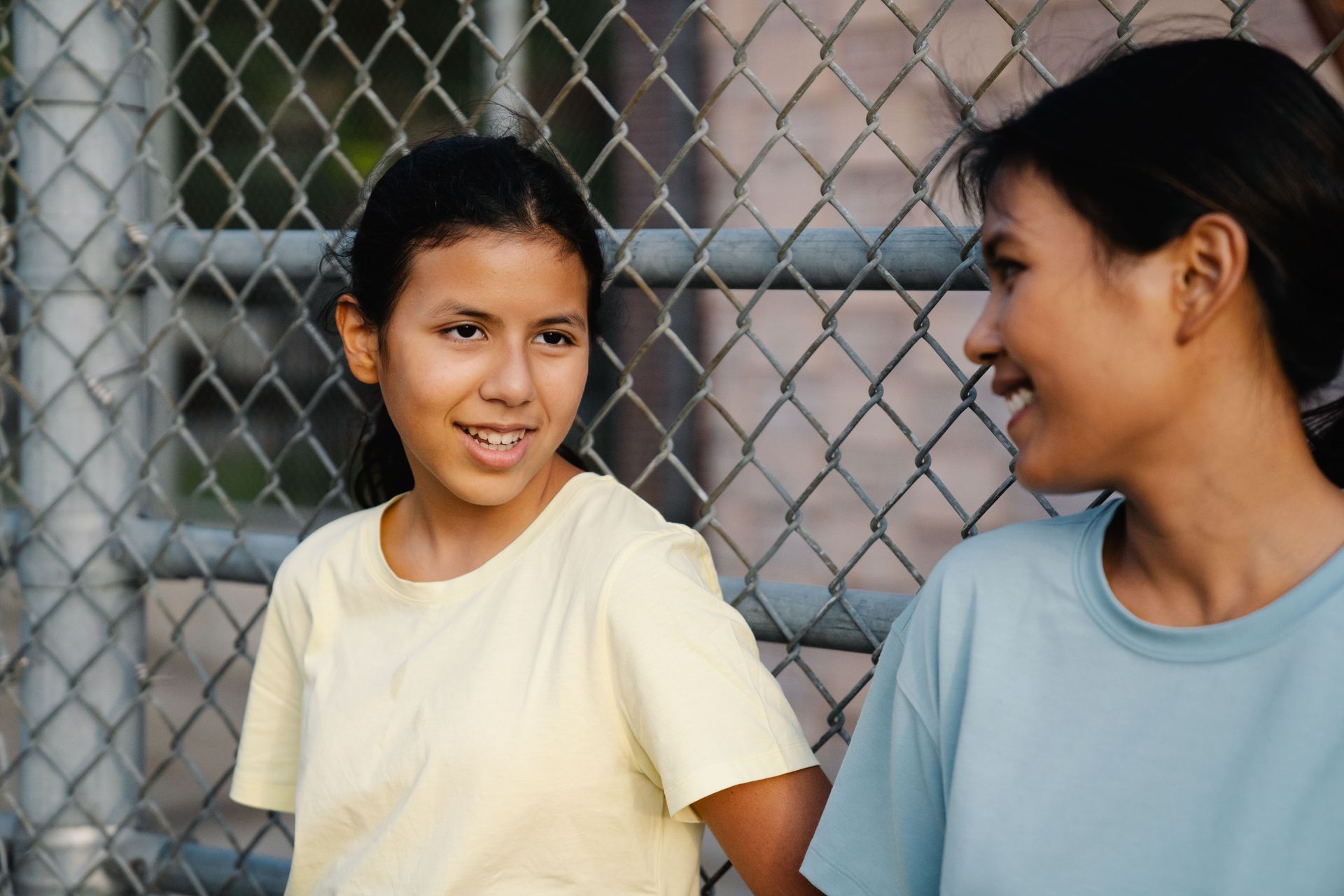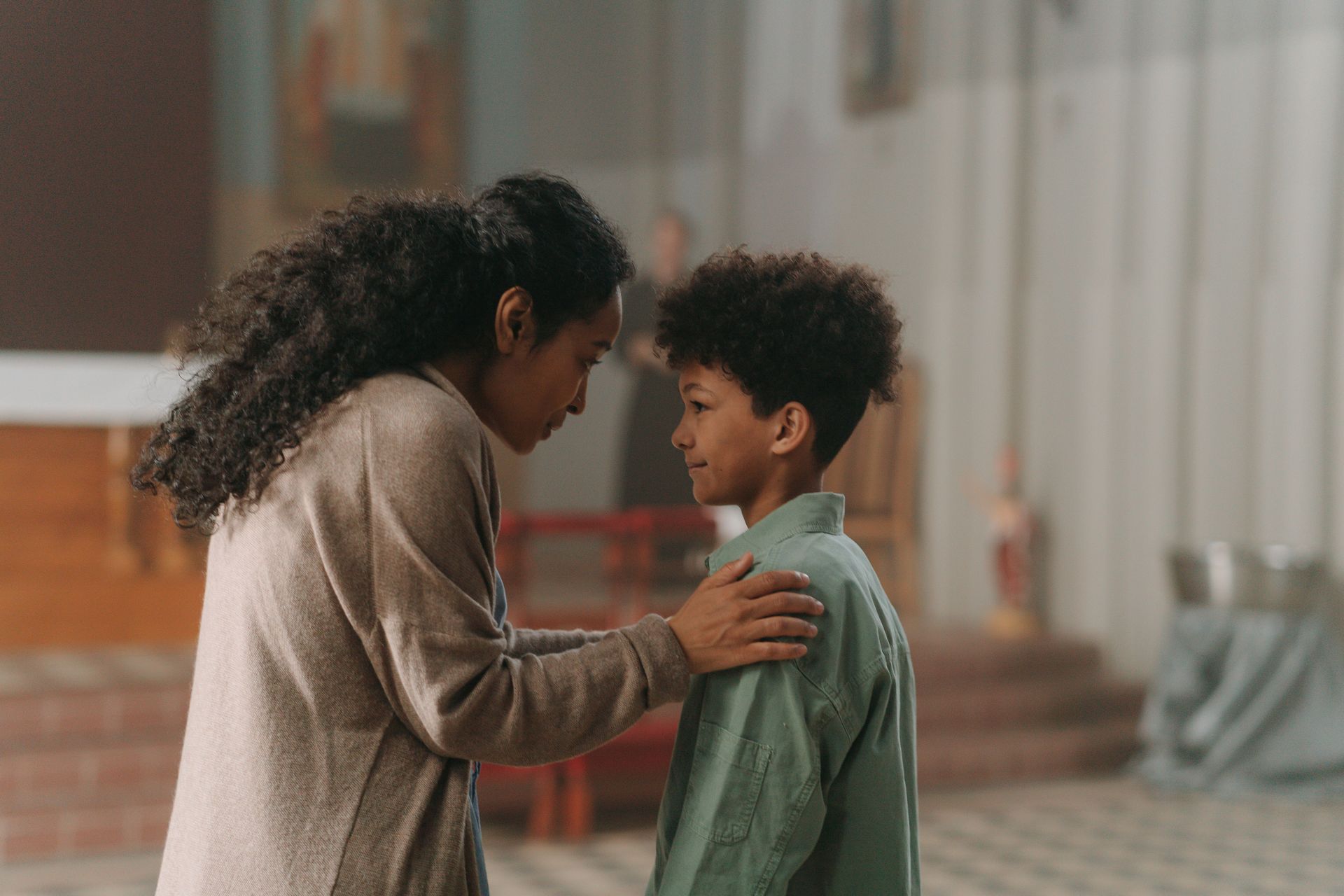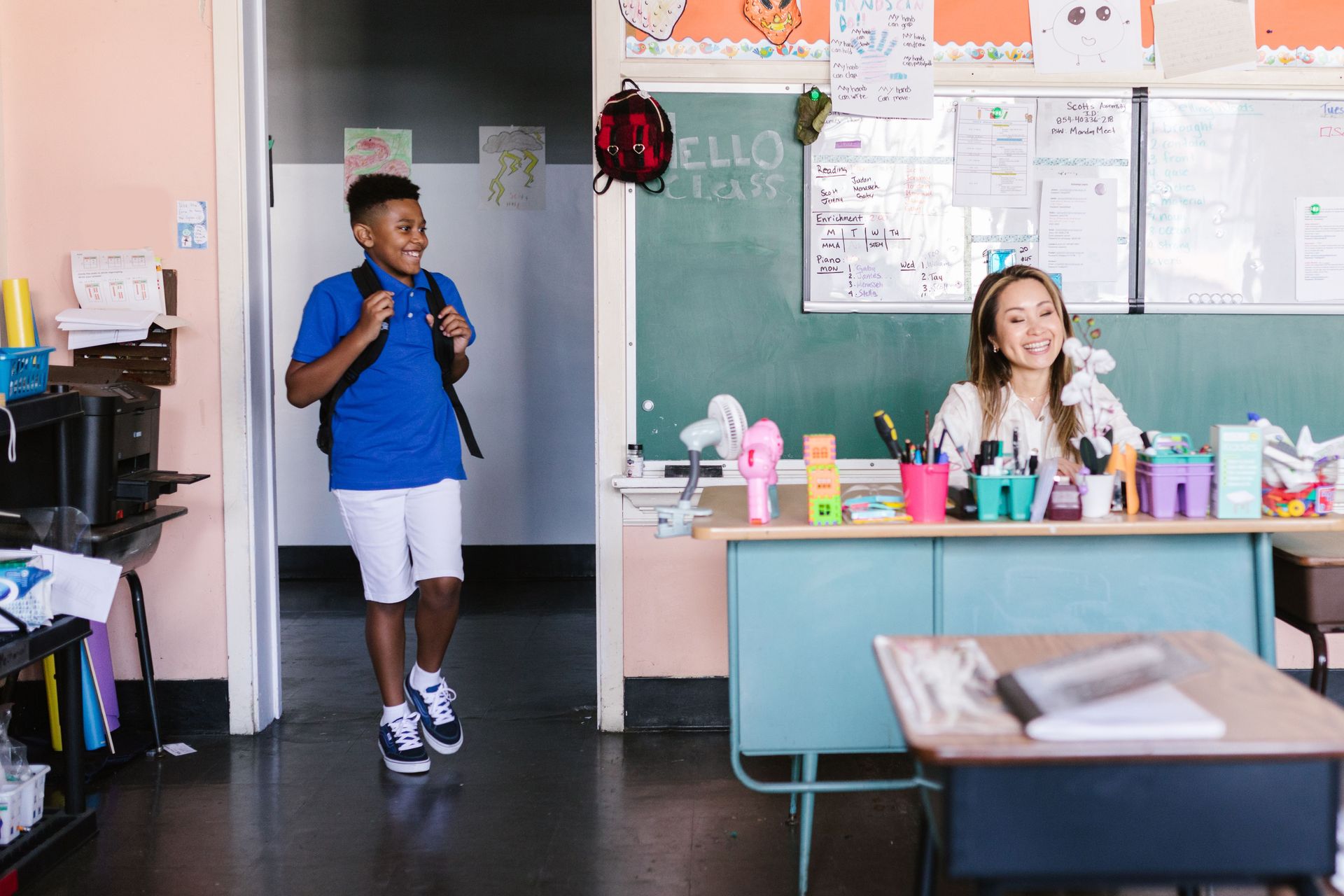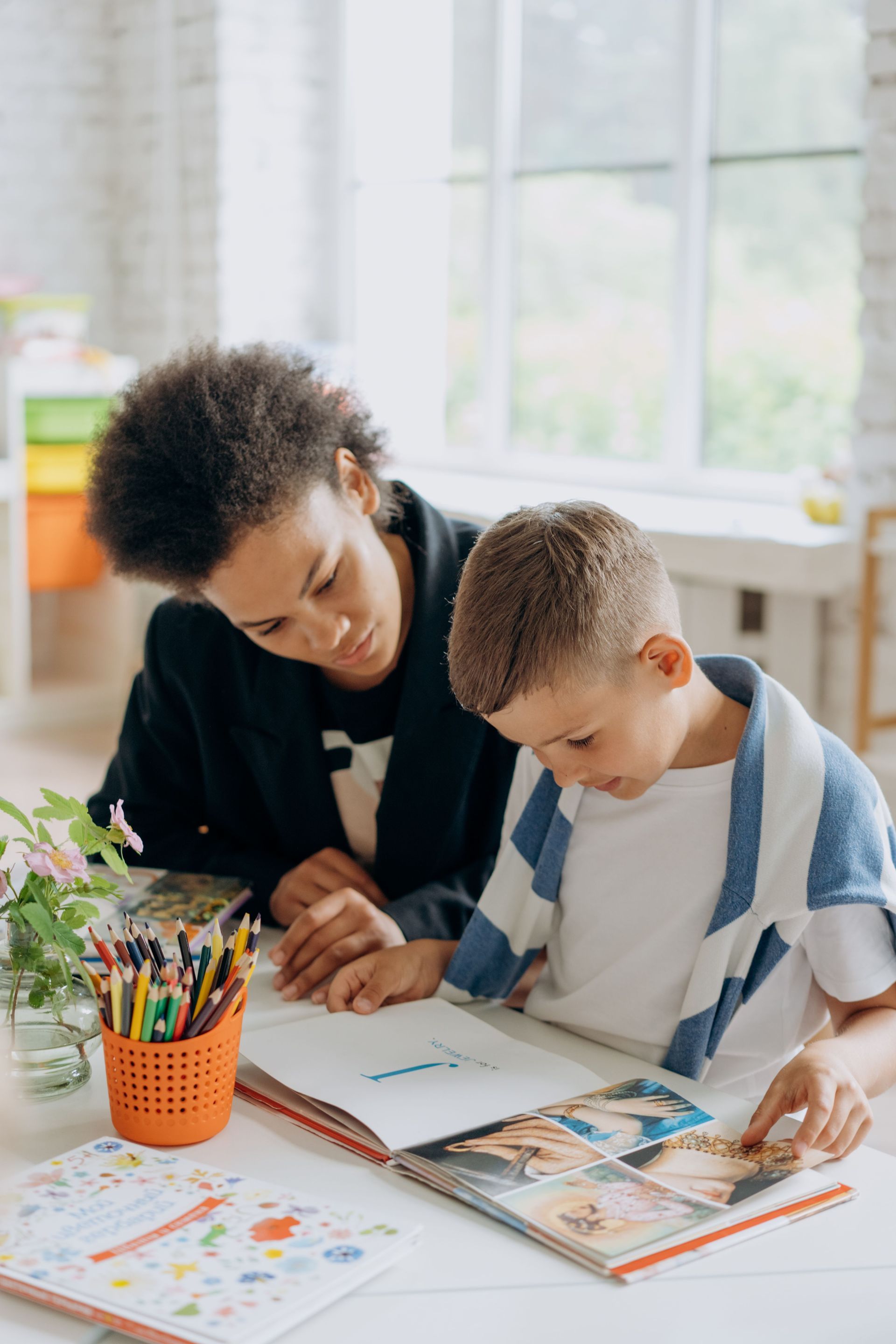
Helping Young People Learn to Trust Their Own Voice
Trust Yields Confidence and Resilience
As children grow, they begin forming stronger opinions about who they are, what matters to them, and how they want to move through the world. That process is an important part of growing up.
Young people benefit from learning that their thoughts and feelings have value, while also understanding how to express themselves with respect, listen to others, and make thoughtful decisions. Helping them trust their own voice can build confidence that extends far beyond any single conversation.
Make Room for Opinions
It can be easy for adults to move quickly into teaching or correcting, especially when a young person shares an opinion that seems incomplete, unrealistic, or different from our own. But not every conversation needs an immediate lesson.
Sometimes, simply asking, “What makes you think that?” gives a child room to explain their perspective.
That does not mean adults have to agree. It means young people learn that their ideas can be discussed instead of dismissed.
Over time, those conversations can help them become more comfortable thinking for themselves and explaining why they feel the way they do.
Let Questions Be Welcome
Young people ask questions for many reasons. Sometimes they are curious. Sometimes they are confused. Other times, they may be trying to understand whether it is safe to disagree or speak honestly. Responding with patience can help keep that door open.
If children learn that difficult questions are met with frustration, embarrassment, or immediate judgment, they may eventually stop asking them. Creating space for questions can help young people learn that uncertainty is not something to hide. It is often part of understanding themselves and the world around them.
Teach Them That Boundaries Can Be Respectful
Learning to trust their voice also means learning when and how to say no. Young people should understand that they can speak up when something makes them uncomfortable, ask for space, or tell a trusted adult when something does not feel right.
At the same time, boundaries can be taught alongside respect and responsibility. A young person can disagree without being unkind. They can ask questions without dismissing someone else's experience. They can express a need while still considering how their choices affect others.
Those are skills that develop through practice.
Give Them Opportunities to Make Decisions
Confidence grows when young people have chances to use their judgment. Age-appropriate choices can be simple. They might decide what activity they want to participate in, how they want to organize part of their day, what they would like to wear, or how they want to approach a school project.
As they get older, those decisions naturally become more significant. Caregivers can offer guidance without making every choice for them. Even small decisions give young people opportunities to learn what feels right, what does not, and what they might do differently next time.
Help Them Separate Their Voice From Outside Pressure
Young people receive messages from many directions. Friends, classmates, social media, teachers, coaches, family members, and wider culture can all influence how they think they are supposed to act or feel. That makes it important to occasionally ask questions that bring the focus back to them.
“What do you think?”
“Is that something you actually want?”
“Does that feel right to you?”
These questions can help young people slow down and consider whether a choice reflects their own values or simply the pressure around them.
Culture and Community Can Strengthen a Young Person’s Voice
Trusting your own voice does not mean separating yourself from the people around you. For Native youth, identity may be deeply connected to family, community, culture, and the knowledge passed between generations. Time with relatives and Elders, cultural traditions, language, stories, and community experiences can help young people better understand the values and history that shape who they are.
That connection can provide a strong foundation for self-expression. A young person can learn from those who came before them while still discovering how they want to carry those teachings forward in their own life.
Confidence Is Built Over Time
Young people will not always speak clearly or confidently. They may change their minds. They may struggle to explain themselves. They may follow the crowd sometimes and stand apart at others. That is part of learning.
Caregivers do not need to create perfectly confident children. They can simply create relationships where young people know they are allowed to think, ask, speak, listen, and grow.
At Society of Care, we believe young people benefit from relationships that help them feel seen, respected, and connected. When we make room for their voices, we give them opportunities to better understand themselves and the confidence to carry that understanding forward.
Looking for more simple, supportive tools for the loved ones in your care? Enjoy these additional resources and explore our blog for ideas that help you nurture connection, one moment at a time. Or, Join our mailing list where we share more resources that accompany our blog posts.
Join Our Mailing List