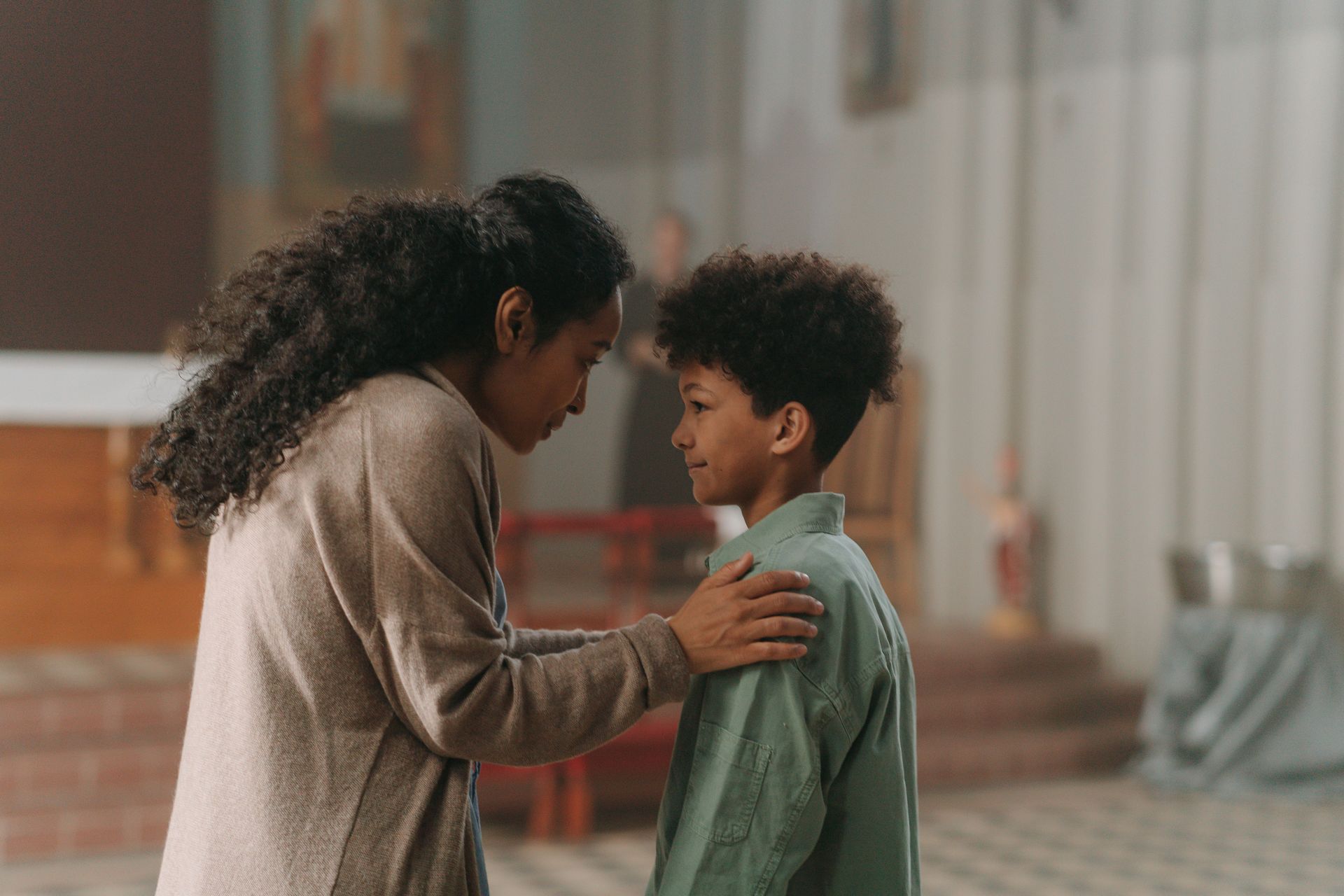
When a Young Person Says “I Don’t Care”
The Dreaded "I Don't Care" Response
Few responses can end a conversation as quickly as “I don’t care.”
A young person may say it after getting a disappointing grade, losing a game, arguing with a friend, being left out of something, or being asked about an activity they once seemed excited about. To an adult, the response can sound dismissive, disrespectful, or uninterested.
Sometimes, that is exactly what it means. Young people do not have to care deeply about everything.
Other times, “I don’t care” can be an easier way to say something that feels harder to explain.
“I Don’t Care” Can Mean a Lot of Things
Children and teens are still learning how to identify and communicate complicated emotions. They may know that something feels uncomfortable without having the words, or the willingness, to explain exactly why.
“I don’t care” might sometimes mean:
- “I’m disappointed.”
- “I’m embarrassed.”
- “I don’t want you to know how much this bothered me.”
- “I’m tired of talking about it.”
- “I don’t know what to do about it.”
- “I’m worried you’ll make this a bigger deal than I want it to be.”
It can also be a way of protecting themselves. If something did not work out the way they hoped, convincing themselves that it never mattered can feel easier than admitting they are disappointed.
That does not mean caregivers need to analyze every shrug or short answer. It simply means there may be value in leaving a little room for another explanation.
Pay Attention to What Happened Before the Response
Context often tells caregivers more than the words themselves.
A child who says, “I don’t care what we have for dinner,” may genuinely have no preference. A teen who says, “I don’t care about basketball anymore,” immediately after being cut from a team may be responding to disappointment.
Think about what happened just before the response.
Was there a setback? A disagreement? A difficult day at school? Did someone make a comment that embarrassed them? Did something they were looking forward to fall through?
The goal is not to prove that the young person secretly cares. It is to better understand what they may be reacting to.
Resist the Urge to Challenge Them Immediately
When adults know that something matters to a child, it can be tempting to respond with, “Yes, you do care,” or “You were just excited about this yesterday.” That can quickly turn the conversation into an argument about whether the child’s feelings are legitimate.
Instead, a calmer response might be:
“Okay. You don’t have to talk about it right now.”
Or:
“It seems like something about this changed for you. If you want to tell me about it later, I’m here.”
That approach leaves the door open without demanding an explanation. Young people may be more willing to come back to a conversation when they know they will not immediately be questioned, corrected, or given a solution.
Give Feelings Time to Catch Up
Young people do not always understand how they feel in the moment.
After a disappointment, embarrassment, or conflict, the first reaction may be frustration, anger, silence, or indifference. A clearer explanation may come later, once the intensity of the moment has passed. This is one reason conversations during car rides, meals, walks, chores, or other ordinary moments can be valuable. There is less pressure than sitting someone down and asking them to explain what is wrong.
Sometimes a child who had nothing to say after school will bring the subject up on their own later that evening.
Caregivers can create those opportunities simply by staying available.
Look for Patterns, Not a Single Phrase
One “I don’t care” is usually just one response. What matters more is whether caregivers begin noticing a broader change.
A young person who suddenly seems uninterested in several things they usually enjoy, withdraws from people they are normally close to, or repeatedly seems discouraged may need a more intentional check-in.
The same is true if the response starts appearing whenever something becomes difficult. A child may begin saying they do not care about school, sports, friendships, or other activities because disengaging feels safer than risking another disappointment.
Caregivers do not need to immediately solve the problem. They can start by noticing the pattern and asking gentle, specific questions about what has changed.
Remember What Helps Young People Feel Grounded
When something in a young person’s world feels uncertain, familiar connections can provide stability. For Native youth, those connections may include family, extended relatives, Elders, community gatherings, cultural traditions, language, storytelling, time outdoors, or simply being around people and places where they feel known. These connections do not need to become a formal lesson or another responsibility. Often, their value comes from the sense of belonging they provide.
A difficult grade, friendship problem, or disappointing experience can feel very large in the moment. Time with family, culture, and community can help remind young people that one difficult experience does not define who they are.
Stay Curious Without Pushing
Caregivers will not always get a complete explanation for what a young person is feeling. That is okay.
Supporting children and teens does not require uncovering the hidden meaning behind every response. Sometimes the most helpful thing an adult can communicate is simply, “You do not have to explain this perfectly for me to care about what you are experiencing.”
At Society of Care, we believe strong relationships grow through listening, connection, and respect for each young person’s individual experience.
The next time “I don’t care” ends a conversation, it may be worth resisting the urge to immediately correct it.
Give the moment some space. Stay available. And remember that sometimes the most important part of a conversation happens after a young person knows they do not have to have the right words right away.
Looking for more simple, supportive tools for the loved ones in your care? Enjoy these additional resources and explore our blog for ideas that help you nurture connection, one moment at a time. Or, Join our mailing list where we share more resources that accompany our blog posts.
Join Our Mailing List