Teaching Young People That Asking for Help Is a Skill
Knowing When to Ask for Help Takes Practice
As the school year settles in, young people begin facing more situations they are expected to handle on their own.
An assignment may not make sense. A friendship may become complicated. Practice might feel harder than expected. A busy schedule may become difficult to manage. Older youth, especially, may feel increasing pressure to figure things out without relying on adults.
Independence is an important part of growing up. But independence does not mean handling everything alone.
Knowing when you need help, who to approach, and how to ask for it are skills children develop over time. Like any other skill, they get easier with practice.
Kids Have Plenty of Reasons Not to Ask
From an adult perspective, asking for help can seem simple. For a child or teenager, it may feel much more complicated.
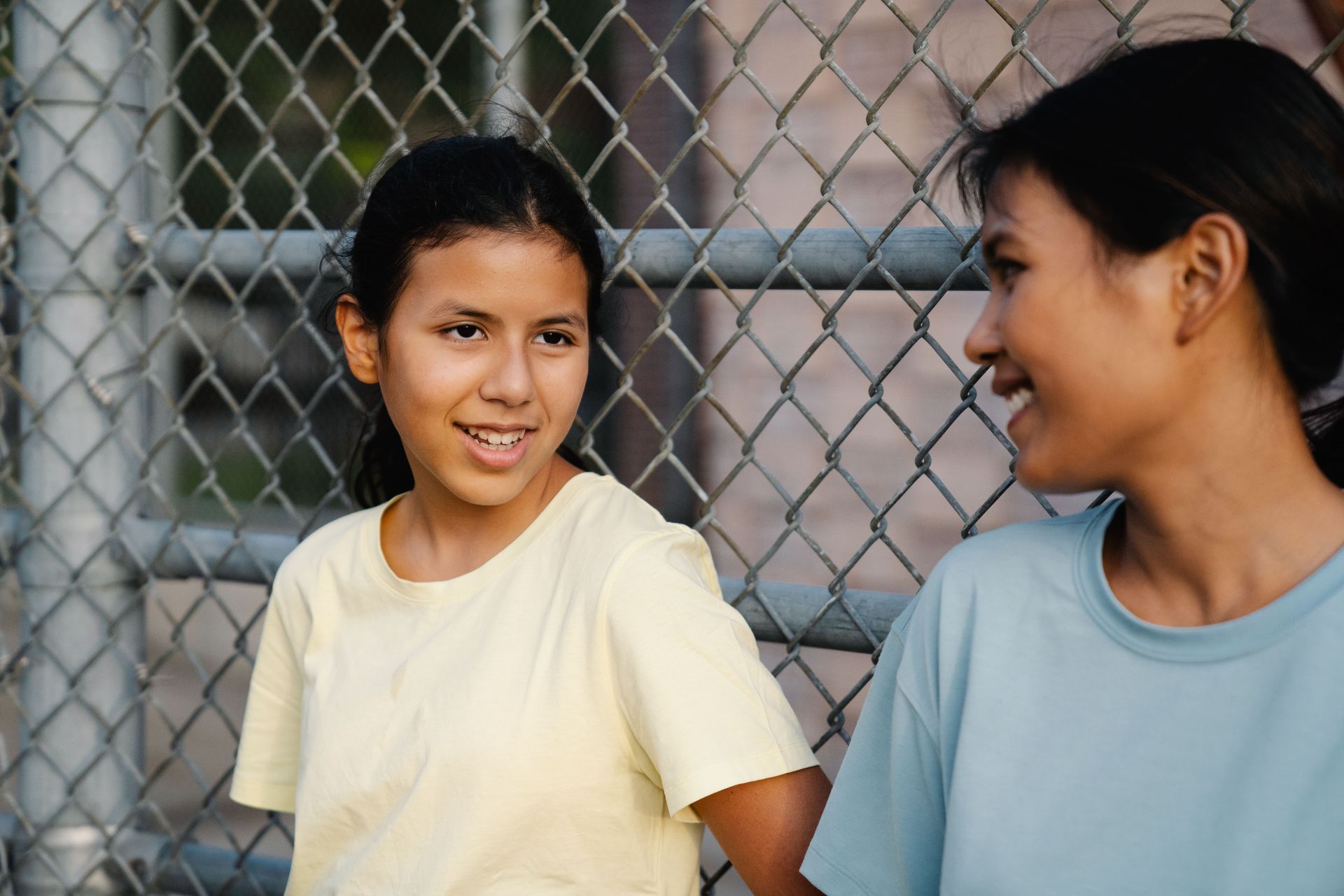
Some young people worry that asking a question will make them look like they were not paying attention. Others do not want classmates to think they are struggling. An athlete may hesitate to tell a coach they do not understand something. A teenager may avoid bringing up a friendship problem because they are afraid an adult will immediately get involved.
Sometimes children simply do not know how to start the conversation.
That hesitation does not necessarily mean they do not want support. They may need help learning how to reach for it.
Make Asking for Help Feel Normal
One of the simplest ways caregivers can encourage help-seeking is by treating it as an ordinary part of life.
Adults ask coworkers questions. We call someone when we do not know how to fix something. We seek advice from family members, friends, teachers, doctors, coaches, and people with experience we do not have.
Young people benefit from seeing that.
Caregivers can talk openly about moments when they asked someone for guidance or changed course because they realized they needed more information. It shows children that capable people do not always have every answer.
Needing help and being capable can exist at the same time.
Give Them the Words to Start
Sometimes the biggest obstacle is simply not knowing what to say.
Caregivers can help children practice a few simple ways to begin:
- “Can you explain that another way?”
- “I'm having trouble getting started.”
- “Can you help me figure out what I should do first?”
- “Something happened today and I don't know what to do about it.”
- “Can I talk to you about something?”
- “I tried this on my own, but I'm still stuck.”
These are small phrases, but knowing what to say can make approaching an adult much less intimidating.
For younger children, caregivers can even practice these conversations at home. For older youth, it may be enough to talk through what they want to say before they say it.
Help Young People Know Who Their People Are
Children also need to know where they can turn.
Caregivers are an important part of that support system, but they do not have to be the only part. A young person's circle may include grandparents, aunties and uncles, Elders, teachers, coaches, counselors, mentors, community members, older relatives, or other trusted adults.
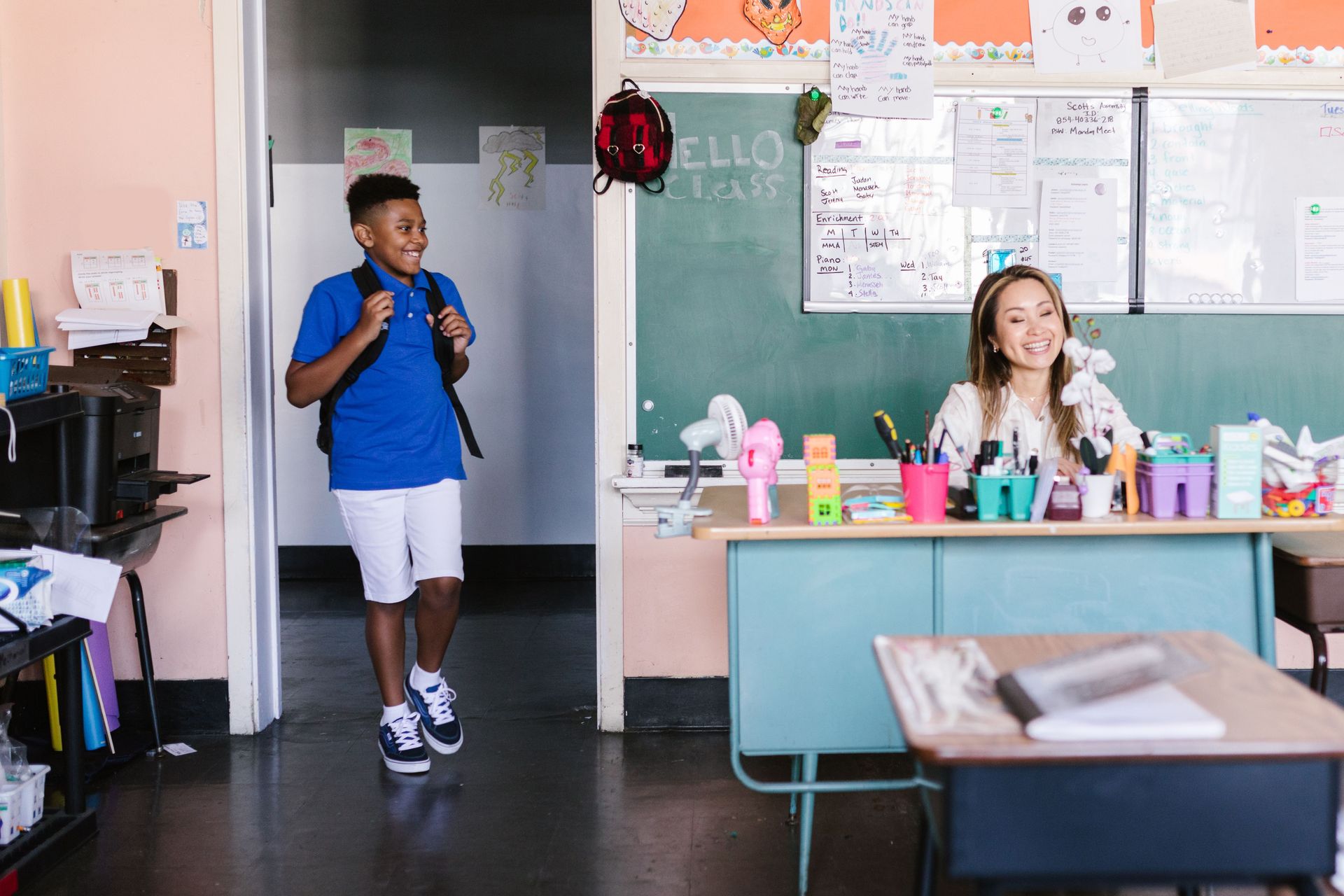
Try asking, “Who would you go to if you needed help at school?” or “Who is an adult you feel comfortable talking to when something is bothering you?”
If they cannot think of anyone, that is useful information. Families can help young people intentionally build those connections before they urgently need them.
Culture and Community Can Be Part of That Support
For Native youth, asking for help does not have to be limited to formal systems or school settings. Family, Elders, community, cultural traditions, storytelling, language, and relationships across generations can all provide guidance and perspective.
There may be times when a young person feels more comfortable talking with someone who understands their family, community, or cultural experiences. Having adults who recognize where they come from can make difficult conversations easier to begin.
Helping youth stay connected to those relationships gives them more places to turn when they need encouragement, advice, or simply someone willing to listen.
Try Not to Take Over Too Quickly
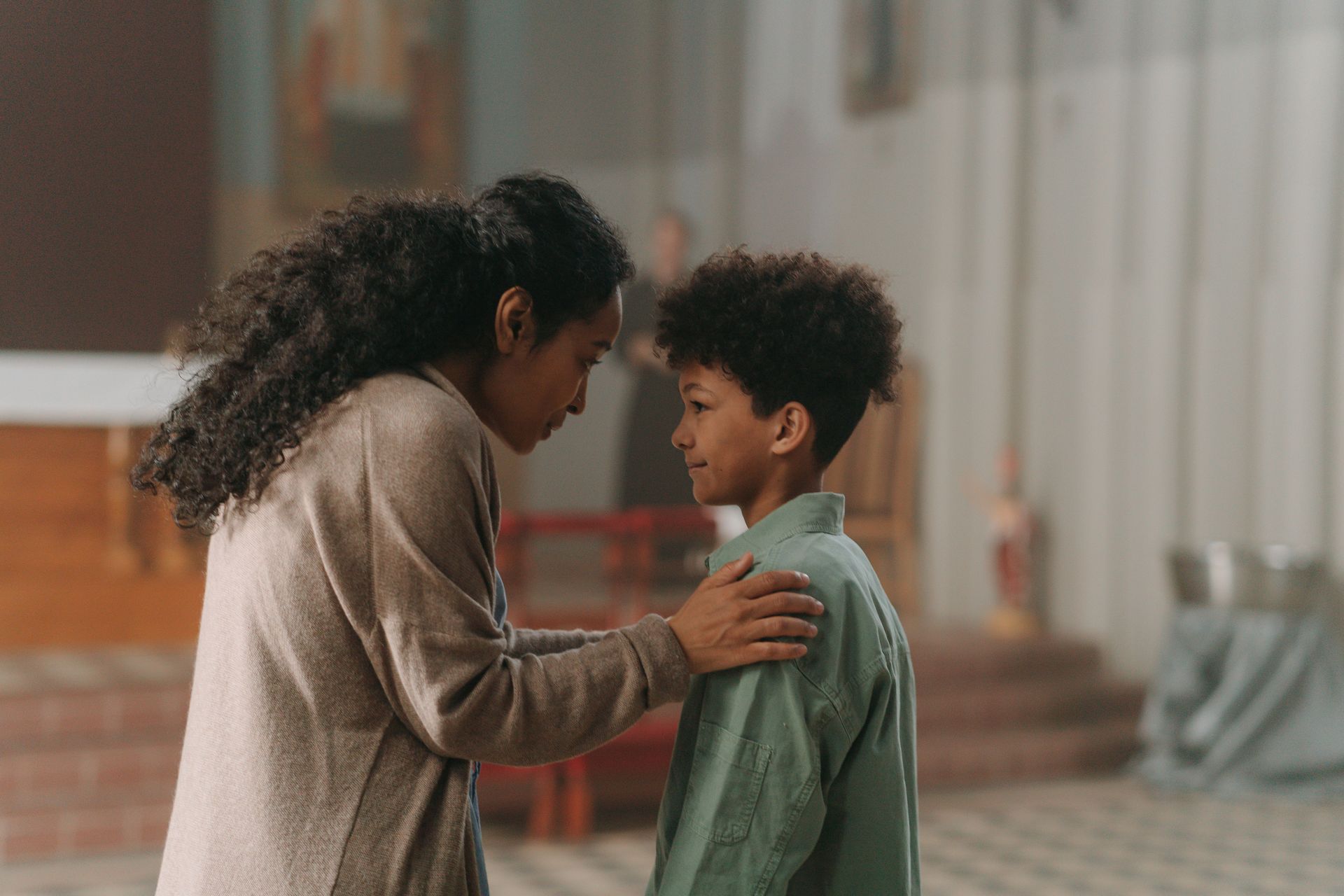
When a child finally asks for help, it can be tempting to solve the problem immediately.
Sometimes that is necessary. Often, however, the first step is helping them decide what they need. You might ask, “Do you want me to help you figure out what to do, or do you just need someone to listen?”
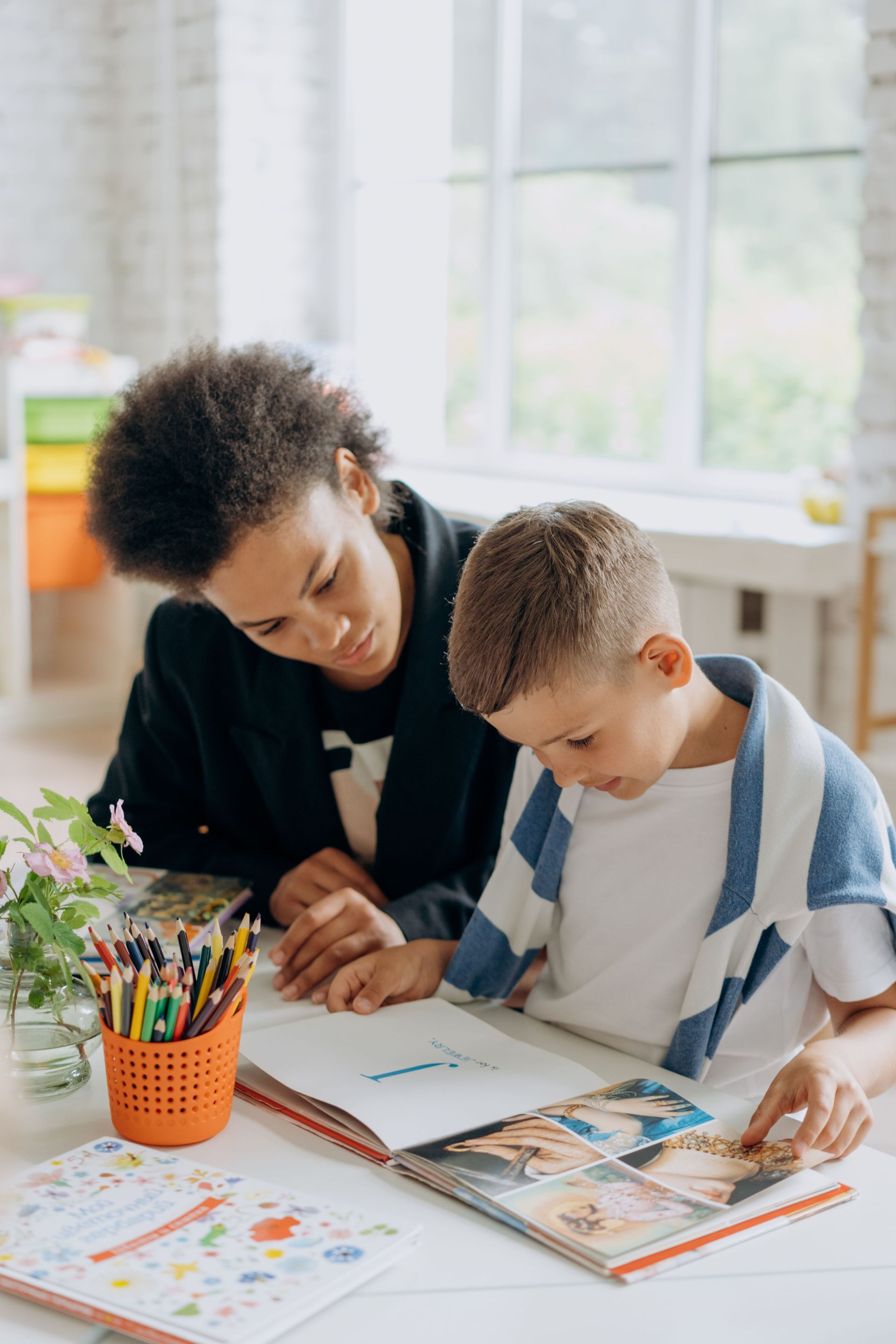
For a school problem, the next step might be helping the child think through how to approach the teacher. For a disagreement with a friend, it might mean talking through possible responses rather than contacting another parent immediately.
Supporting a child through a problem can build more confidence than always solving it for them.
There Are Times Adults Need to Step In
Encouraging independence does not mean leaving young people responsible for problems that are too large for them to manage.
Safety concerns, bullying, significant changes in behavior, persistent emotional distress, or situations that begin interfering with everyday life may require more direct adult support. Children should know that asking for help sometimes means bringing in another trusted adult, counselor, health care provider, behavioral health professional, or other source of support.
The important lesson is that they do not have to decide everything alone.
Asking for Help Is Part of Becoming Independent
We often think of independence as needing adults less. A healthier goal is learning how to navigate challenges with increasing confidence, including recognizing when another person's knowledge, perspective, or support would help.
A child who can say, “I don't understand this,” “Something doesn't feel right,” or “I need some help” is practicing an important life skill.
At Society of Care, we believe young people are strengthened by relationships with family, community, culture, and trusted adults who are willing to listen. Giving children permission to ask for help, and giving them opportunities to practice doing it, helps make those connections easier to reach when they matter most.
Sometimes growing up means learning to handle things yourself.
Sometimes it means learning that you don't have to.
Looking for more simple, supportive tools for the loved ones in your care? Enjoy these additional resources and explore our blog for ideas that help you nurture connection, one moment at a time. Or, Join our mailing list where we share more resources that accompany our blog posts.
Join Our Mailing List