Supporting Children Who Do Not Feel Excited About Going Back to School
Not Every Child Looks Forward to the First Day
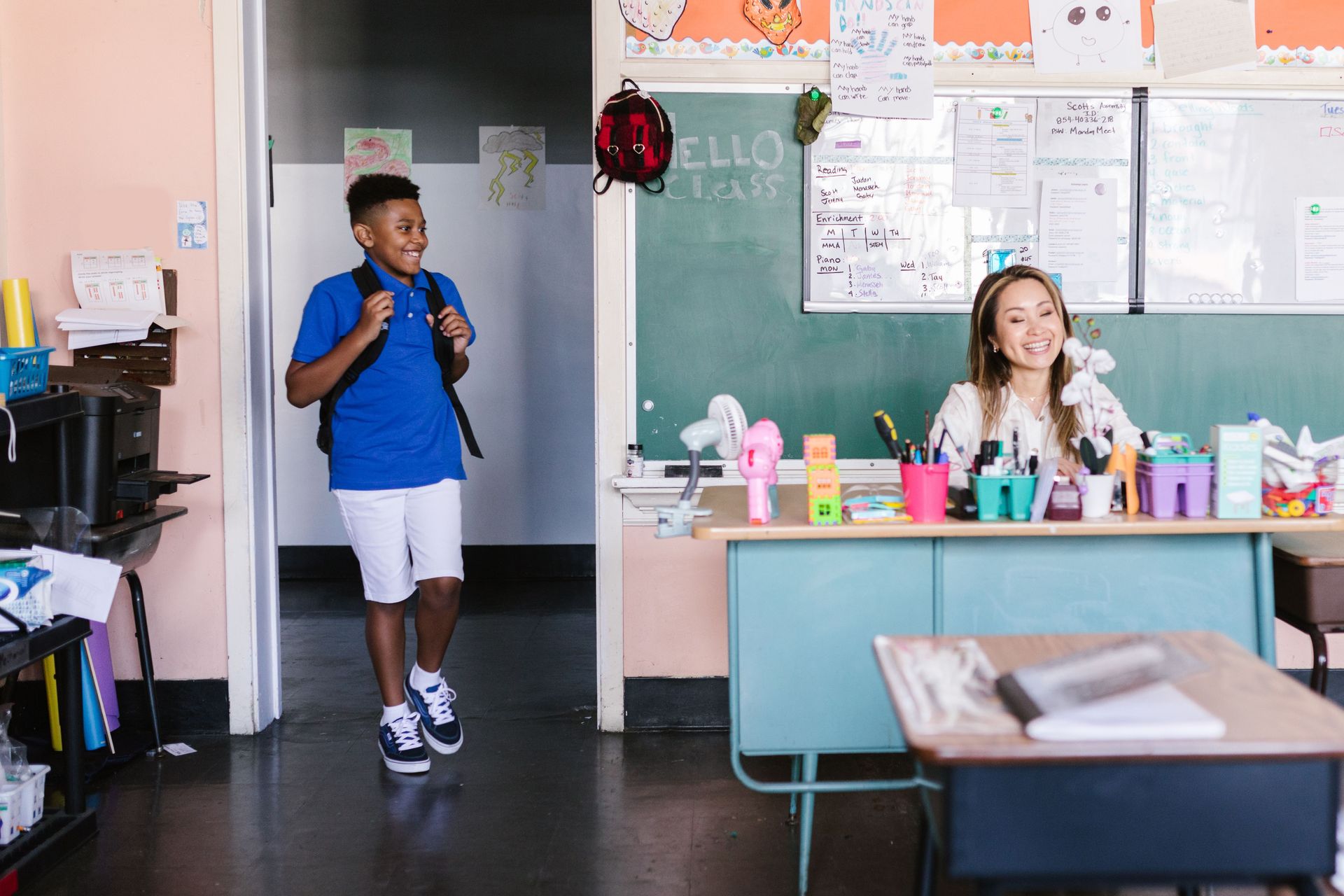
Back-to-school season is often presented as an exciting time. New clothes, fresh school supplies, seeing friends again, and beginning a new year can give many children something to look forward to. But not every child experiences the return to school that way.
For some young people, the end of summer brings nervousness, disappointment, sadness, or uncertainty. A child may be worried about a new teacher, changing classrooms, making friends, keeping up academically, or returning to a social environment that felt difficult the year before. Others may simply prefer the flexibility and family time that summer allowed.
These feelings do not necessarily mean something is wrong. Transitions can be difficult, even when the change is a normal and expected part of life. One of the most helpful things caregivers can do is make room for those feelings without immediately trying to convince a child that they should be excited.
At Society of Care, we recognize that every young person experiences change differently. By listening carefully, remaining patient, and providing consistent support, caregivers can help children move into the new school year at a pace that feels manageable.
Make Space for Mixed Feelings
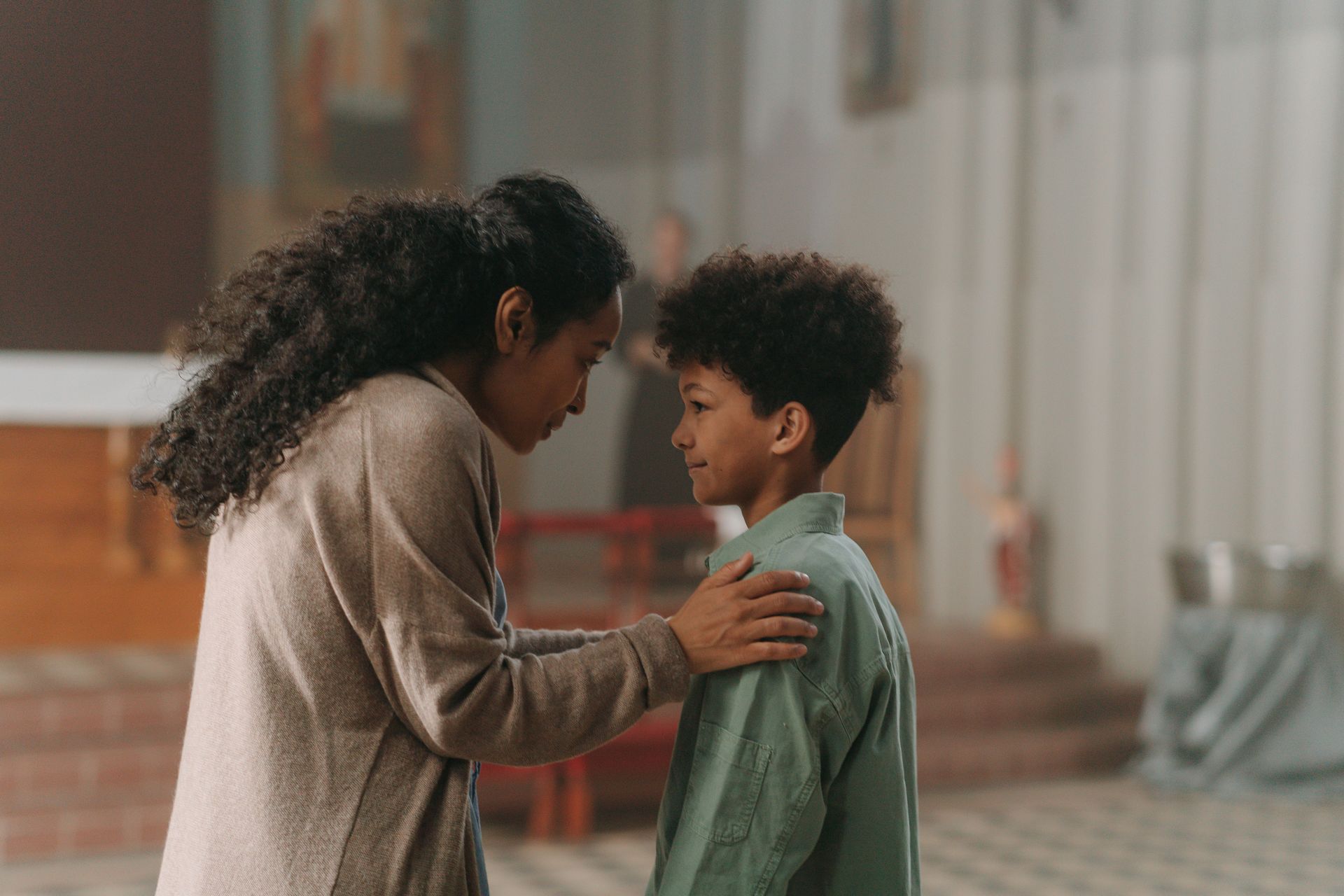
Children can feel more than one thing at the same time. A young person may be happy to see a favorite friend while also feeling nervous about schoolwork. They may like their teacher but miss being home. They may enjoy an activity or sport while still wishing summer lasted longer.
Caregivers can help by avoiding pressure to describe the new school year as either good or bad. Instead, conversations can leave room for a more complicated answer. Rather than asking only, “Are you excited for school?” try asking, “What are you looking forward to?” followed by, “Is there anything you are not looking forward to?”
That small change can make it easier for children to talk honestly. It also lets them know they will not disappoint the adults around them simply because they are struggling with part of the transition. Sometimes children do not know exactly why they feel uneasy. They may say they do not want to go to school without being able to identify a specific reason. Caregivers do not always need to find an explanation immediately. Calm listening can be valuable even when there is no obvious problem to solve.
Look Beyond the Words
Children do not always communicate stress directly. A young person who says little about school may show their feelings in other ways.
Caregivers might notice increased irritability, difficulty sleeping, frequent complaints about headaches or stomachaches, becoming unusually quiet, arguing more often before school, or repeatedly asking to stay home. Younger children may become more clingy, while older children may withdraw or avoid conversations about school altogether.
A change in behavior does not automatically mean there is a serious problem. However, patterns can provide useful information about how a child is adjusting.
Instead of responding only to the behavior, caregivers can gently explore what may be behind it. A simple observation such as, “You seem quieter than usual after school lately. How are things going?” can open a conversation without making the child feel interrogated.
Help Make the Transition Feel Smaller
The beginning of a school year can feel overwhelming because many changes happen at once. New schedules, expectations, classmates, teachers, activities, and responsibilities may all arrive within a few days. Caregivers can make the transition more manageable by focusing on one step at a time.
Rather than talking about the entire semester, focus on getting through the first week. Instead of worrying about every assignment or activity that may come later, help children prepare for what they need tomorrow. Familiar routines around meals, bedtime, transportation, and family time can also provide stability while the school routine begins to feel more familiar. Children often gain confidence through repetition. What feels unfamiliar during the first few days may feel much more manageable after a few weeks.
It can also help to preserve small parts of the summer routine that children enjoyed. A favorite evening activity, regular outdoor time, visits with relatives, cultural activities, or a relaxed family meal can remind children that returning to school does not mean everything they enjoyed about summer has disappeared.
Avoid Comparing Their Experience to Someone Else's
One sibling may be eager to return to school while another wishes summer would continue. One child may make friends quickly while another needs several weeks to feel comfortable. Comparisons rarely make the transition easier.
Statements such as, “Your sister loves school,” or “Everyone else is excited,” can unintentionally make children feel as though their reaction is wrong. Even well-intentioned reminders about how much fun school will be may discourage a child from sharing concerns if their experience does not match that expectation. Instead, recognize the individual child in front of you. A response such as, “It sounds like you are not feeling ready yet. What part feels hardest?” communicates curiosity rather than judgment. It gives the child permission to explain their experience instead of defending it.
Give Children Something Familiar to Carry With Them
For Native youth, family and cultural connections can provide an important source of stability when other parts of life feel uncertain. A new school year may bring unfamiliar people and expectations, but children can still carry the strength of their family, community, and culture with them.
This connection does not have to be complicated. A family story shared at breakfast, a familiar song on the drive to school, a cultural activity during the week, time with relatives or Elders, or simply reminding a child of the people who support them can help create continuity between home and school.
Caregivers can also remind young people of challenges they have successfully worked through before. Perhaps they adjusted to a new teacher last year, joined a new activity, learned something difficult, or made a friend when they initially felt uncertain.
These reminders are not meant to dismiss current worries. They help children recognize that feeling unsure at the beginning does not mean they will always feel that way.
Stay Connected With the Adults in Their School
If a child continues to struggle with the transition, communication with teachers, counselors, coaches, and other trusted school adults can provide a clearer picture of what is happening.
A child who appears unhappy before school may settle in quickly once the day begins. In other cases, a teacher may notice that the child is having trouble connecting with classmates, participating in class, or adjusting to expectations.
Sharing information allows caregivers and school staff to support the child together. It can be especially helpful for children to identify at least one trusted adult at school. Knowing there is someone they can approach when they feel overwhelmed, confused, or uncomfortable can make the school environment feel less intimidating. Caregivers can ask, “Who at school would you talk to if you were having a hard day?” If the child does not have an answer, families and school staff can work together to help build that connection.
Give Adjustment Time
Some children settle into a new school year almost immediately. Others need more time. The first difficult morning does not predict the entire year. Neither does a disappointing first week. Friendships develop, routines become familiar, relationships with teachers grow, and children gradually learn what to expect. Caregivers can support that process by noticing small signs of progress.
Maybe a child mentions one class they enjoy. Perhaps they remember a classmate's name, laugh about something that happened during the day, or stop asking as many questions about the morning routine. These small changes may represent meaningful steps toward feeling comfortable.
Recognizing progress can be encouraging without creating pressure. Instead of saying, “See, I told you school would be fine,” try, “It sounds like today felt a little easier.” That response keeps the conversation open if tomorrow happens to be difficult again.
Support Does Not Require Having Every Answer
Caregivers often want to make difficult feelings disappear for the children they love. But supporting a child through a transition does not always mean solving every concern.
Sometimes support looks like listening during the drive home. Sometimes it means sitting together quietly after a difficult day. It may involve helping with a morning routine, contacting a teacher, spending time with family, or reminding a young person that they have people who will continue showing up for them.
As the school year begins, children who are not excited about returning do not need to be convinced that they should feel differently. They need adults who are willing to listen, stay curious, and help them take the transition one day at a time.
At Society of Care, we believe young people are best supported when families, communities, schools, and other caring adults work together. With patience, connection, and consistent encouragement, caregivers can help children find their footing and gradually build a school-year routine that feels safe, familiar, and manageable.
Looking for more simple, supportive tools for the loved ones in your care? Enjoy these additional resources and explore our blog for ideas that help you nurture connection, one moment at a time. Or, Join our mailing list where we share more resources that accompany our blog posts.
Join Our Mailing List