The Value of Intergenerational Relationships for Young People
Connection and Support Lead to Resilience
Young people need relationships with people their own age. Friendships help them learn how to communicate, cooperate, solve disagreements, and find their place among their peers. But relationships across generations can offer something different.
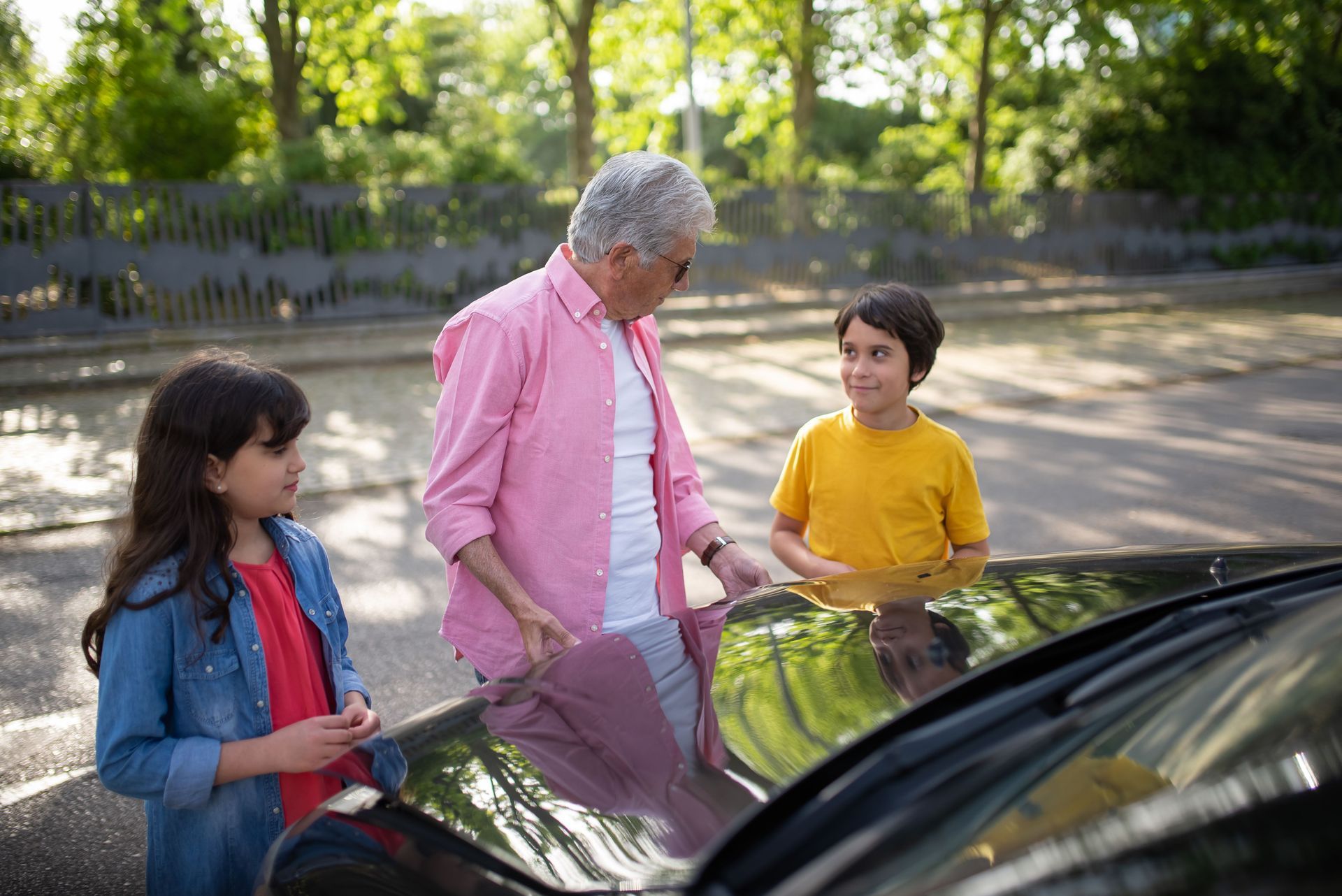
Grandparents, Elders, extended family members, mentors, coaches, neighbors, and other trusted adults can give young people perspectives and experiences they may not find within their own age group. These relationships can help children and teens feel supported, connected, and part of something larger than themselves.
A Different Kind of Support
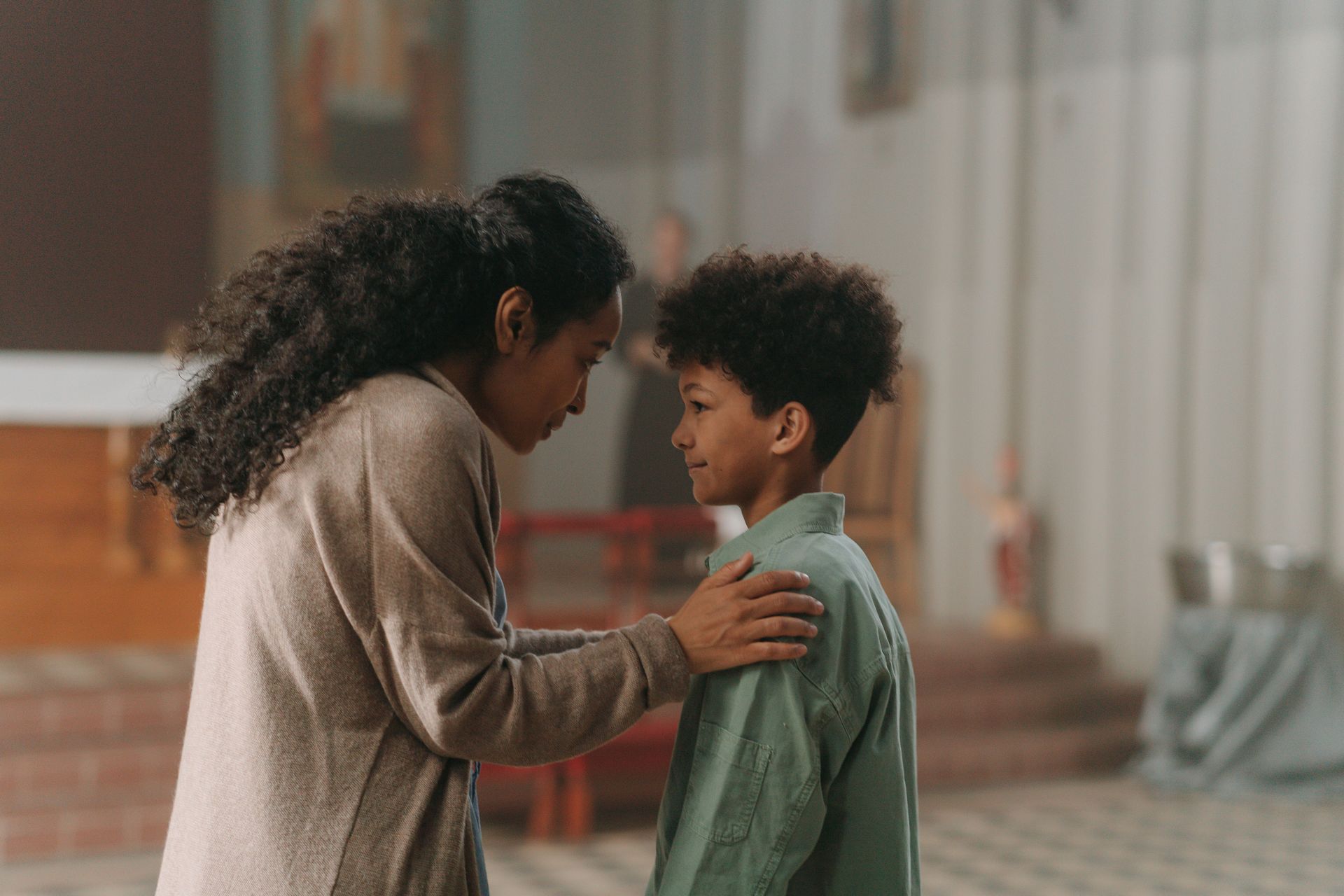
Parents and caregivers play an important role in a young person’s life, but they do not have to be the only trusted adults a child can turn to. Sometimes a young person may find it easier to talk with a grandparent, aunt or uncle, Elder, mentor, or another adult they trust. That relationship does not replace the role of a caregiver. It adds another layer of support.
Having multiple trusted adults can give young people more places to ask questions, share experiences, seek advice, or simply spend time with someone who cares about them. It also reminds them that support can come from throughout their family and community.
Stories Help Connect Generations
One of the most natural ways generations connect is through stories.
Young people may hear about what their grandparents were like when they were children, how their family handled difficult times, where certain traditions came from, or why particular places and experiences matter. For Native youth, relationships with Elders and older family or community members can also provide meaningful connections to culture, language, community history, traditional knowledge, and ways of life that have been carried forward over generations.
These conversations help make history personal. Instead of culture or family history existing only as something from the past, young people can see how it continues through the people around them and through their own lives.
Young People Benefit From Different Perspectives
Children and teens are experiencing many things for the first time. Friendship changes, school challenges, disappointment, growing independence, and questions about identity can all feel very immediate when there is little past experience to compare them to. Older adults can sometimes offer perspective simply because they have lived through their own versions of change, uncertainty, and growth.
That does not mean every conversation needs to become advice. Sometimes the most valuable thing an older adult can say is, “I remember feeling that way too.” Knowing that someone else has experienced uncertainty, made mistakes, changed direction, or worked through a difficult season can help young people understand that what they are experiencing is part of a much larger story.
Connection Can Happen Through Everyday Moments
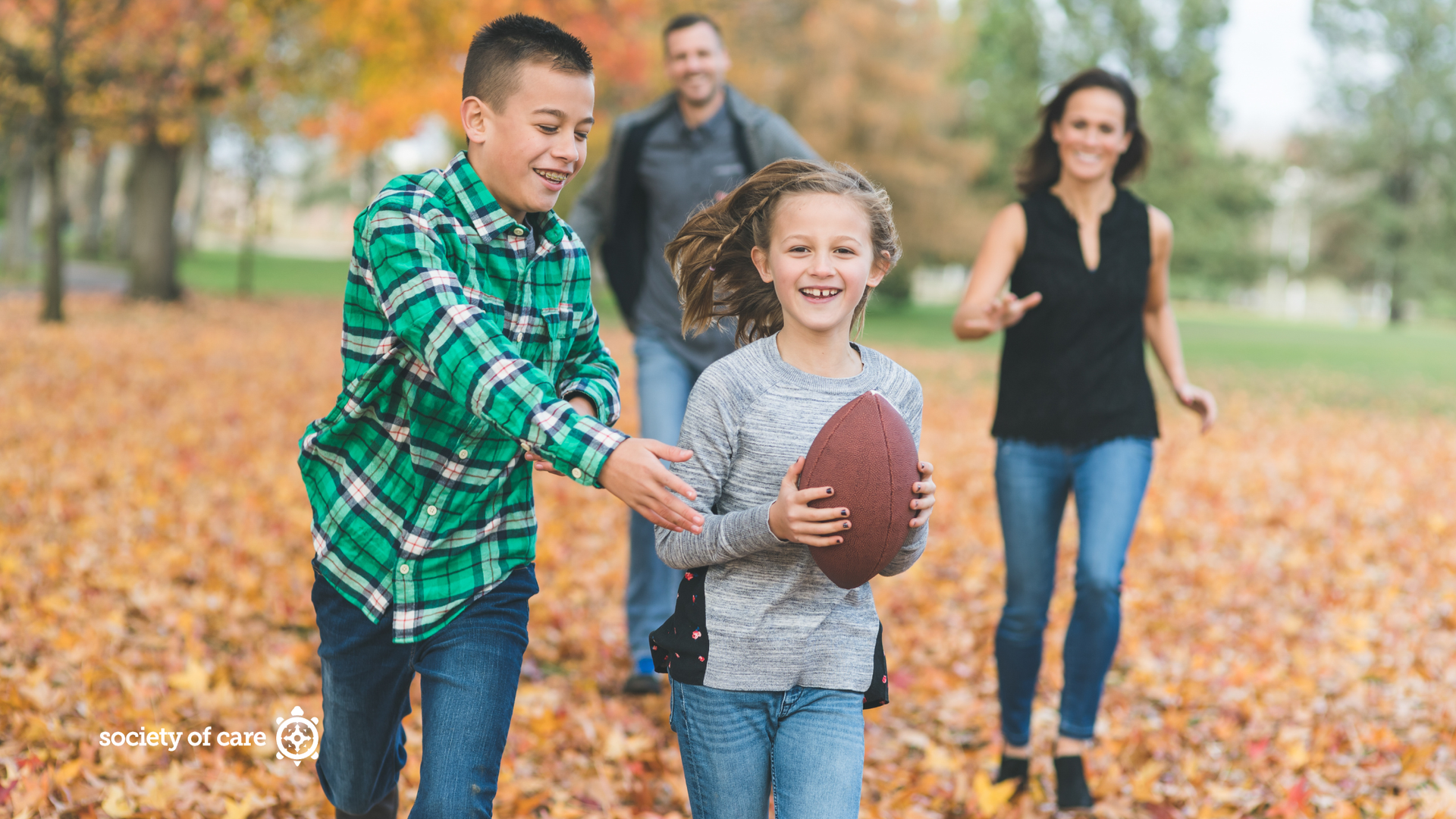
Intergenerational relationships do not need to be built around serious conversations. Often, connection develops while people are doing something together. Cooking, fishing, creating something, attending community events, spending time outdoors, sharing a meal, working on a project, telling stories, or participating in cultural activities all create opportunities for relationships to grow naturally. There does not always need to be a lesson attached.
A young person may remember the conversation that happened while preparing food with a grandparent just as much as the recipe itself. They may remember the stories shared during a drive or the feeling of being included in an activity long after the details have faded. Those ordinary moments help build familiarity and trust.
Young People Have Something to Give, Too
The value of intergenerational relationships does not flow in only one direction. Young people bring their own ideas, humor, interests, questions, and perspectives into these relationships. They may introduce older family members to new technology, music, activities, or ways of thinking.
Giving young people opportunities to contribute helps them understand that they are not simply receiving knowledge from older generations. They are active members of their families and communities.
Being listened to by an older person can be especially meaningful. It tells a young person that their experiences matter and that they have something worth sharing.
Make Room for These Relationships
Busy schedules can sometimes make intergenerational connection harder to maintain. Families may live farther apart. School, work, sports, and other responsibilities can fill the week quickly. Some young people may not have grandparents or older relatives nearby. Connection can still be intentional.
A phone call, shared meal, community event, visit with an Elder, regular activity with a mentor, or time spent with a trusted family friend can all create opportunities for meaningful relationships to develop. The important part is not the title someone holds. It is the presence of safe, caring adults who consistently show interest in a young person’s life.
Staying Connected Across Generations
Young people are constantly looking forward. They are learning, changing, and imagining who they may become. Intergenerational relationships can help them look backward and around themselves, too.
They can remind young people where they come from, introduce them to experiences beyond their own, and help them feel supported by a wider circle of people.
For Native youth, these connections can also help keep culture, stories, knowledge, and community relationships active from one generation to the next.
At Society of Care, we believe young people benefit when they feel connected to family, culture, community, and trusted adults. By creating opportunities for generations to spend time together, listen to one another, and share what they know, we help young people build relationships that can remain meaningful throughout their lives.
Looking for more simple, supportive tools for the loved ones in your care? Enjoy these additional resources and explore our blog for ideas that help you nurture connection, one moment at a time. Or, Join our mailing list where we share more resources that accompany our blog posts.
Join Our Mailing List