Helping Young People Separate Their Self-Worth From Their Performance
When Accomplishments Start to Feel Personal
A good grade feels great. Making the team feels exciting. Winning an award, performing well at practice, or hearing praise from a teacher can give young people a well-earned sense of accomplishment.
The difficulty comes when those outcomes begin to shape how a child sees themselves.
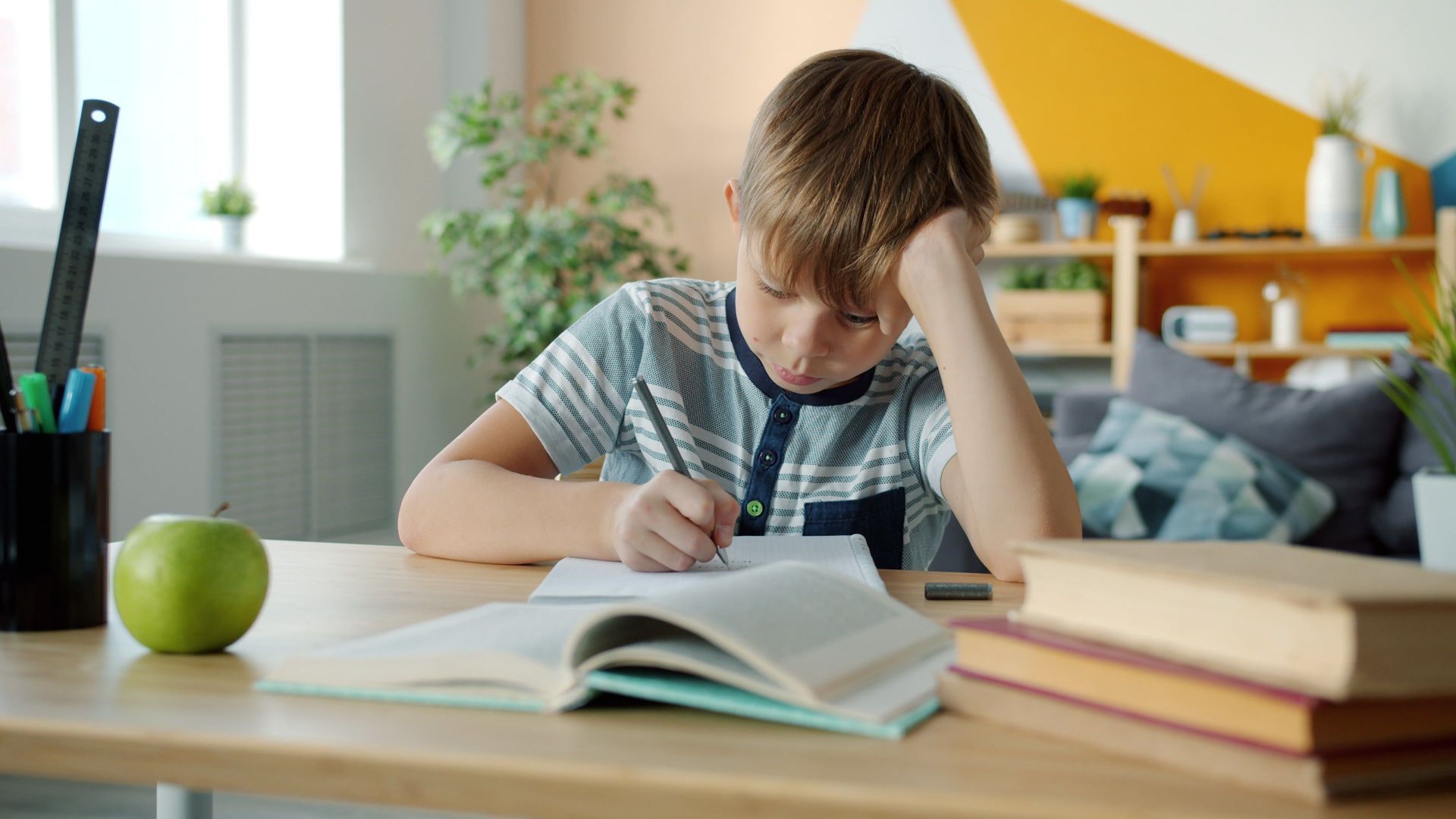
A disappointing grade can start to feel like, “I'm not smart.” A mistake during a game becomes, “I'm bad at this.” Not being chosen for something can become, “I'm not good enough.”
As school, sports, activities, and other responsibilities settle into the fall routine, young people may have more opportunities to succeed. They also have more opportunities to compare themselves, make mistakes, and experience disappointment.
Caregivers can help children learn an important distinction:
something they did is not the same thing as who they are.
Pay Attention to How Kids Talk About Themselves
Children often reveal how closely they connect performance and identity through the language they use.
Listen for statements such as:
- “I'm stupid.”
- “I'm terrible at everything.”
- “Everyone else is better than me.”
- “I always mess things up.”
- “If I don't make the team, what's the point?”
- “I'm supposed to be good at this.”
These statements can sometimes sound dramatic, especially after a frustrating moment. But they also give caregivers an opportunity to help a child separate a temporary outcome from a permanent judgment about themselves.
A poor test score means the test did not go the way they hoped. It does not mean they are unintelligent. Missing a shot means they missed a shot. It does not mean they are a bad athlete.
That difference may seem obvious to an adult, but children often need help learning it.
Be Careful What Gets the Most Attention
Caregivers naturally celebrate accomplishments. There is nothing wrong with being proud of a good report card, a strong performance, or an award.
It can also help to notice the things that do not come with trophies or grades.
Maybe a child kept working when something was difficult. Maybe they included someone who was being left out. They may have shown patience with a sibling, helped a teammate, asked for help, tried something unfamiliar, or handled disappointment better than they would have a year ago.
When young people regularly hear adults notice kindness, persistence, curiosity, courage, humor, responsibility, creativity, and growth, they receive a broader picture of what makes someone valuable.
Achievement can be something to celebrate without becoming the measure of a child.
Let Mistakes Stay Small
A mistake does not always need to become a lesson about effort, responsibility, or what should happen next.
Sometimes it can simply be a mistake.
If every disappointing outcome immediately becomes a serious conversation, children may begin to believe that every performance carries more weight than it really does. Caregivers can help by keeping the response proportional.
A simple, “That didn't go the way you wanted. What do you think happened?” can leave room for reflection without turning one moment into a judgment.
Children need opportunities to learn from mistakes, but they also need to experience mistakes that do not change how the people around them see them.
Comparison Can Make Performance Feel Even Bigger
School and activities give young people plenty of opportunities to compare themselves with others.
Someone gets a higher grade. A teammate gets more playing time. A friend seems more popular. Another student learns something faster. Those comparisons can become especially difficult when children begin using someone else's strengths as evidence of their own shortcomings. Caregivers do not have to convince a child that comparisons never matter. Instead, help bring the focus back to their own experience.
What are they learning? Where have they improved? What are they proud of? What is still difficult? What would they like to work toward next?
Growth becomes easier to see when the goal is not always to be better than someone else.
Culture, Family, and Community Can Offer a Bigger Sense of Identity
Young people are more than students, athletes, performers, or the roles they fill at school.
For Native youth, connections to family, community, culture, language, traditions, Elders, stories, and shared experiences can offer a much broader understanding of who they are. These connections can be especially grounding when a child is struggling in one part of life. A difficult semester does not erase where they come from. Not making a team does not change their place within their family or community. A setback does not take away the relationships, traditions, strengths, or experiences that have helped shape them.
Creating space for cultural and family connection reminds young people that identity is not something they have to earn through achievement.
They belong before the grade, before the game, and before the accomplishment.
Help Them Talk About Success Differently
Success does not have to mean winning, being the best, or getting everything right.
Caregivers can help children expand their definition of success by asking different questions:
- What did you learn?
- What are you getting better at?
- What part was hardest?
- Are you proud of how you handled it?
- What would you do differently next time?
- Did you enjoy it?
- Is this still something that matters to you?
These questions do not lower expectations. They help young people understand that progress, effort, learning, enjoyment, relationships, and personal growth also matter.
Remind Them Who They Are Beyond What They Do
Young people will experience successes and disappointments throughout their lives. They will earn things, lose things, make teams, miss opportunities, receive praise, make mistakes, and occasionally fall short of their own expectations.
Caregivers cannot protect children from every disappointment, nor should they have to. What they can do is make sure those moments do not become the only way a young person measures themselves.
At Society of Care, we believe children are strengthened by relationships, culture, community, and the people who help them recognize their own worth. When young people know they are valued for more than what they accomplish, they have a stronger foundation from which to learn, take risks, recover from setbacks, and keep growing.
A result can tell a child how something went.
It should never have to tell them who they are.
Looking for more simple, supportive tools for the loved ones in your care? Enjoy these additional resources and explore our blog for ideas that help you nurture connection, one moment at a time. Or, Join our mailing list where we share more resources that accompany our blog posts.
Join Our Mailing List