Making Room for Culture When Life Gets Busy
When the Schedule Starts Filling Up
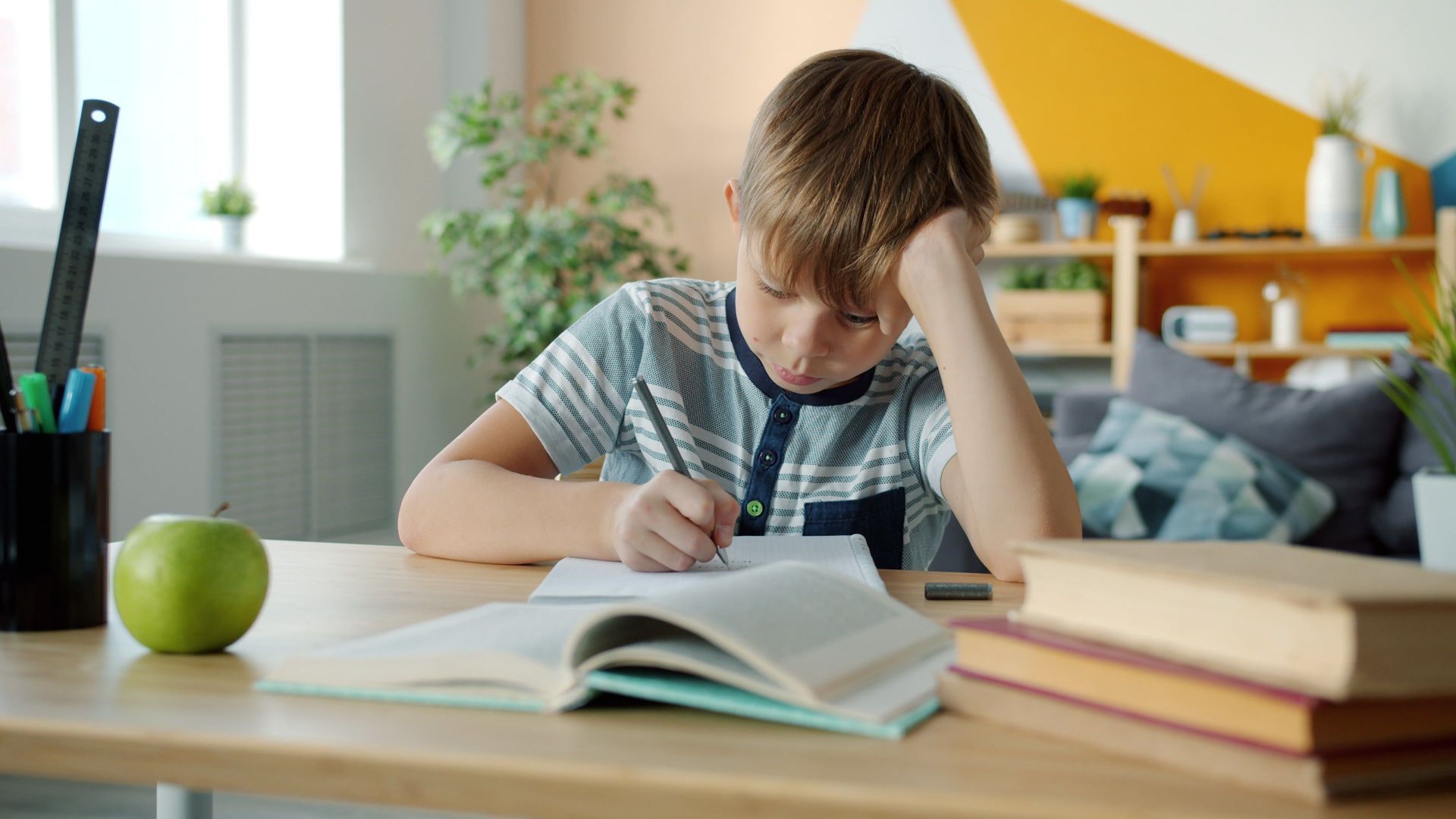
By September, the school year is no longer just getting started. Homework, practices, appointments, activities, work schedules, family responsibilities, and community events can quickly fill the calendar. For many families, the challenge is not deciding whether culture, family, and community matter. It is figuring out how to protect space for them when so many other things are competing for time.
Cultural connection does not always require a large event or a free afternoon. Often, it can be strengthened through smaller moments woven into everyday life. The goal is not to add one more responsibility to an already busy schedule. It is to make sure the things that help young people know who they are do not quietly disappear from it.
Culture Does Not Have to Be Another Item on the Calendar
When families are busy, it can be easy to think meaningful connection requires setting aside a significant amount of time.
Sometimes it does. Ceremonies, gatherings, community events, and other traditions may deserve dedicated space.
But cultural connection can also happen in ordinary moments.
It might be hearing family stories during a drive, preparing a familiar food together, practicing words or phrases in a Native language, listening to music, spending time with relatives, creating traditional art, being outdoors, or talking about where family traditions come from.
What that looks like will be different for every family and community. The important part is making room for those connections to remain present.
Let Young People Participate, Not Just Observe
Busy schedules can make it tempting for adults to simply handle everything themselves.
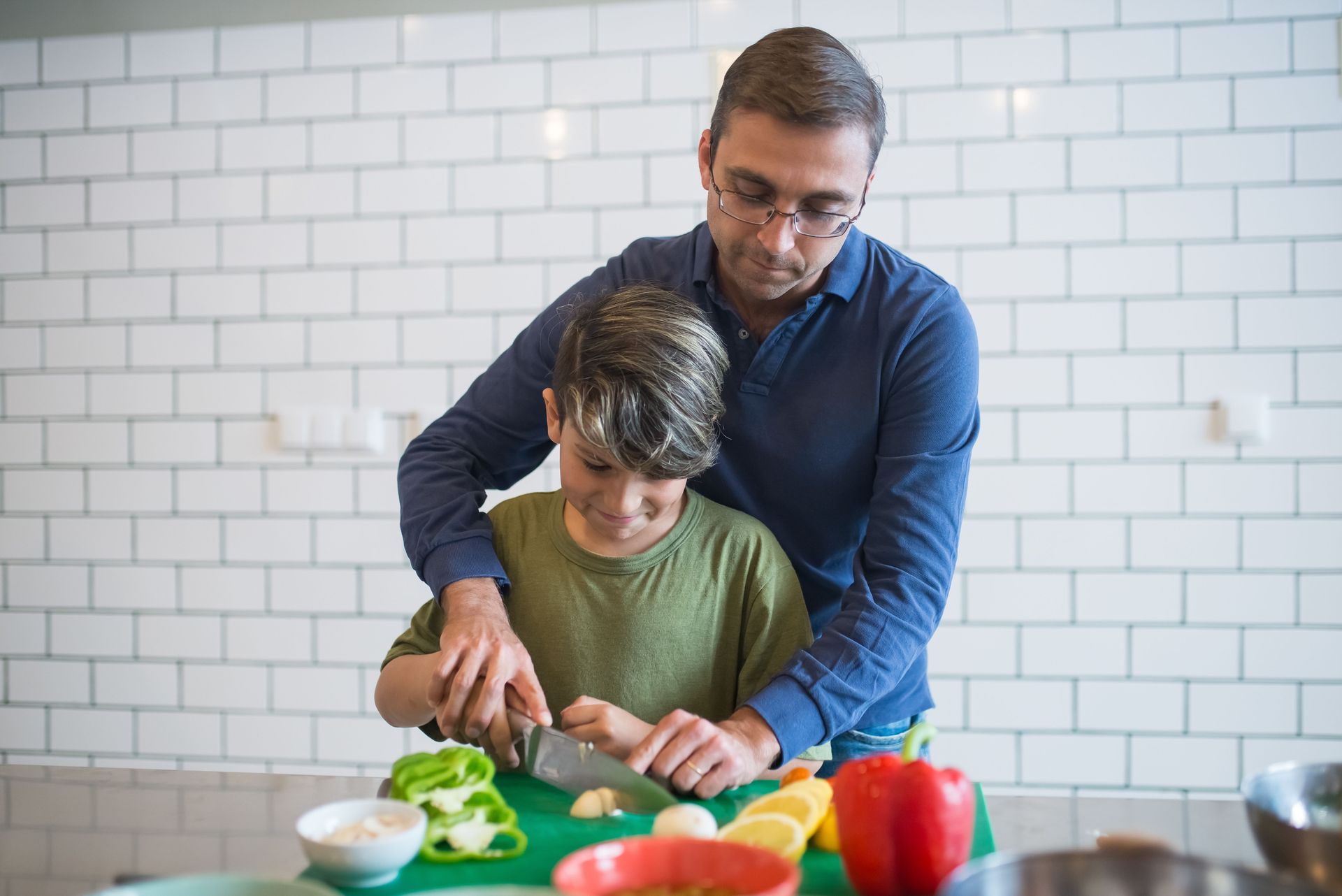
When possible, give young people a role. They might help prepare food, learn a family recipe, ask an Elder or relative about a story, help younger children participate in an activity, practice a skill, or contribute to a community event.
Participation gives young people opportunities to build their own relationship with culture rather than experiencing it only as something adults tell them is important. It can also make cultural connection feel like a natural part of family life instead of something reserved for special occasions.
Use the Small Spaces That Already Exist
Families may not be able to create more hours in the week, but they can sometimes use the time they already have differently.
Look for small openings such as:
- Driving to school or practice
- Preparing or eating a meal together
- Visiting relatives
- Spending time outside
- Weekend mornings or evenings
- Attending community activities
- Quiet time before bed
Not every one of these moments needs to become a cultural lesson. Simply making space for stories, language, family history, traditions, or conversations about community can help those connections stay familiar.
Consistency can matter more than making every experience elaborate.
Ask Young People What Connection Means to Them
Adults and young people may not always experience culture in exactly the same way. A caregiver may feel strongly connected through a particular tradition, while a child may feel that connection most through family, art, language, music, community events, time with Elders, or something else entirely.
Ask them. What parts of their culture are they curious about? What do they enjoy? Who do they like spending time with? What would they like to learn more about? Giving young people some voice in how they connect can help culture feel personally meaningful rather than simply expected.
Their interests may also open opportunities for adults and children to learn together.
Protect Connection From Becoming the First Thing Cut
When life gets crowded, the things without deadlines are often the easiest to postpone. Homework is due tomorrow. Practice starts at six. An appointment is already on the calendar. Time with family, community, or culture may feel more flexible, which can make it easier to keep pushing aside.
Families do not need to attend every gathering or maintain every tradition perfectly. Busy seasons are real. But periodically looking at the family schedule and asking, “Are we still making time for the people and things that keep us connected?” can help prevent important relationships from being crowded out for months at a time.
Sometimes protecting that time may mean saying no to something else.
Connection Can Be Grounding During Busy Seasons
Young people spend much of the school year moving between different expectations and environments. They are students, teammates, classmates, club members, friends, siblings, and many other things throughout the week.
Connections to family, culture, and community can remind them that their identity extends beyond those roles. For Native youth, having spaces where their family experiences, community relationships, and cultural identity are understood and valued can provide an important sense of belonging.
Those connections do not remove the pressures of a busy schedule, but they can help young people stay connected to something larger than the next assignment, practice, or activity.
Make Room for What Helps Young People Know Who They Are
Families do not need a perfect schedule to keep culture present. Some weeks will allow for community gatherings and meaningful traditions. Other weeks may offer little more than a conversation in the car, a meal together, a story from a relative, or a few minutes practicing something that matters to the family.
Those smaller moments still count.
At Society of Care, we believe culture, family, community, and connection are important parts of supporting the well-being of Native youth. Making room for culture during a busy season does not mean adding pressure to families.
It means remembering that amid everything young people have to do, they also need opportunities to stay connected to who they are, where they come from, and the people who help them feel that they belong.
Looking for more simple, supportive tools for the loved ones in your care? Enjoy these additional resources and explore our blog for ideas that help you nurture connection, one moment at a time. Or, Join our mailing list where we share more resources that accompany our blog posts.
Join Our Mailing List