The Role of Safe, Supportive Relationships in Preventing Child Abuse
Prevention Starts With Connection
When people think about preventing child abuse, the focus often turns to warning signs or crisis situations.
But prevention often begins much earlier, in the everyday moments that shape a child’s sense of safety, trust, and belonging.
At the center of this is one powerful factor. Safe, supportive relationships.
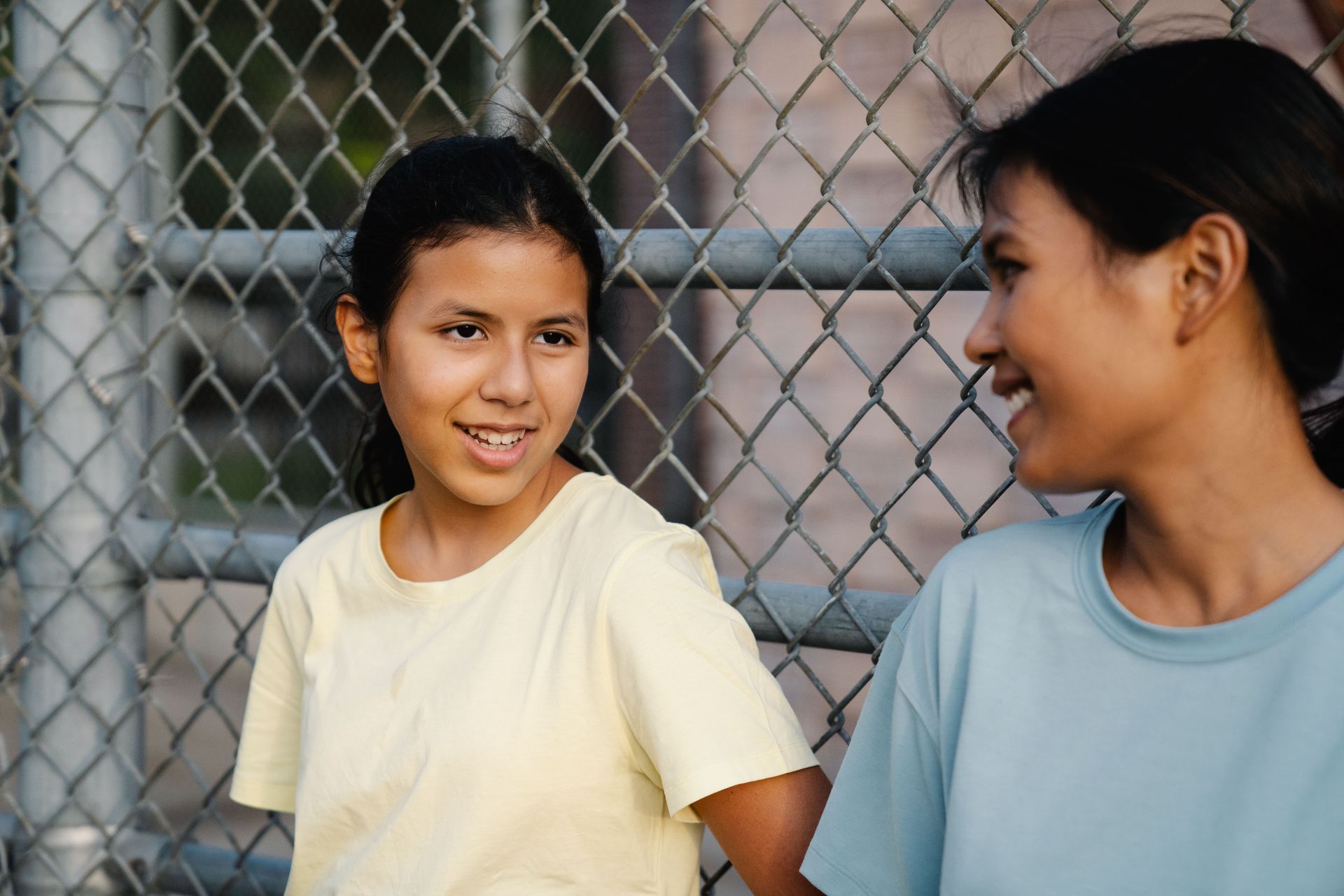
Children who feel seen, heard, and consistently cared for are better protected, not just physically, but emotionally and developmentally as well. These relationships create an environment where concerns are more likely to be noticed early and addressed before they escalate.
Why Relationships Matter So Much
Strong relationships act as a protective buffer in a child’s life.
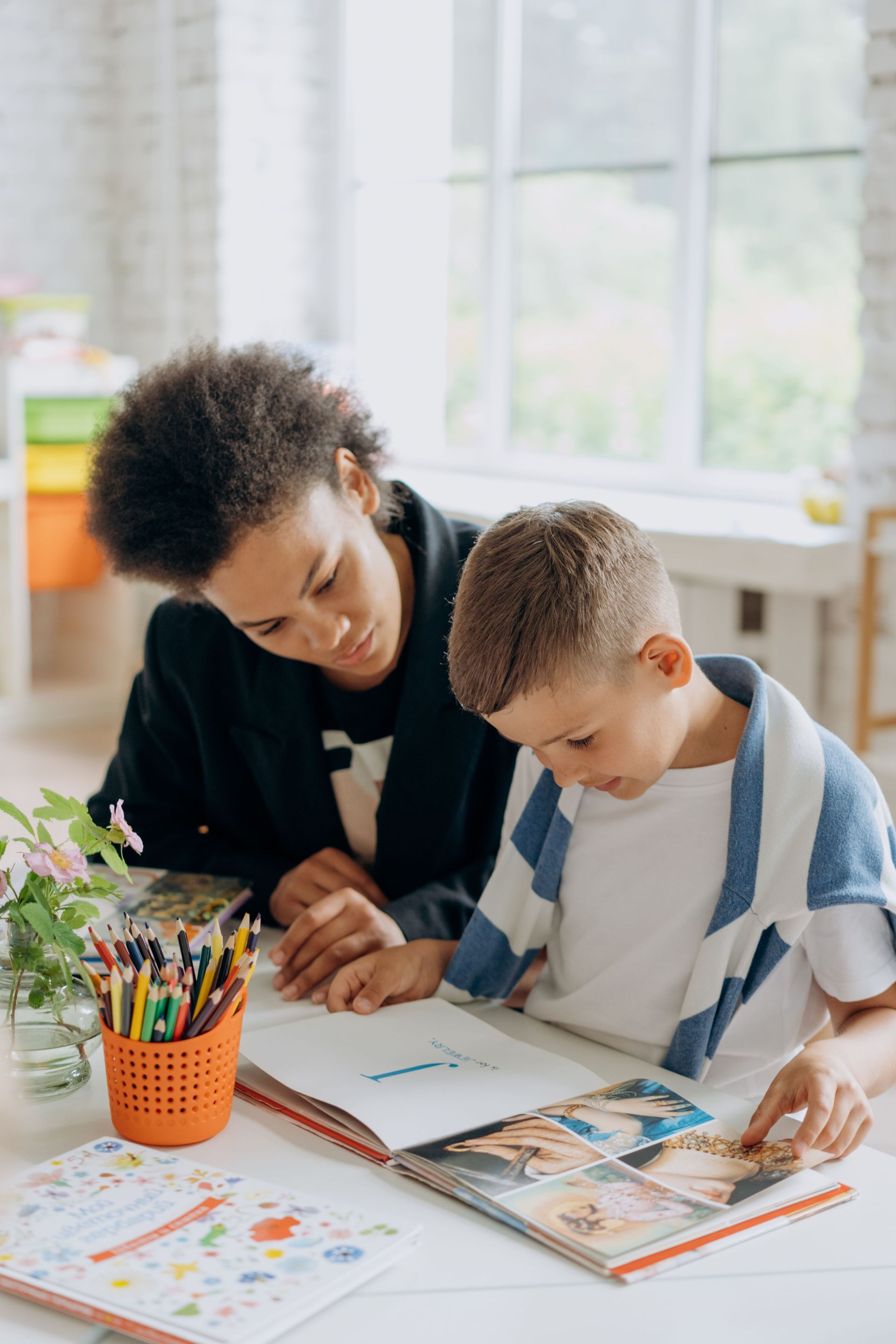
When a child has at least one trusted adult who shows up consistently, listens without judgment, and provides emotional safety, it creates a foundation that supports healthy development.
These relationships help children:
- Feel secure and valued
- Develop trust in others
- Learn how to express emotions safely
- Build resilience during stressful experiences
- Feel more confident asking for help when something feels wrong
Children who experience consistent support are also more likely to develop a clear understanding of what healthy relationships look like, which plays an important role in their long-term safety.
This does not require perfection. It requires presence, awareness, and a willingness to stay engaged even during difficult moments.
What “Safe and Supportive” Really Looks Like
Creating a safe environment is not just about physical safety. It is also about emotional safety.
A supportive relationship often includes:
Consistency
Children benefit from knowing what to expect. Predictable responses and routines help them feel secure and reduce anxiety around the unknown.
Listening Without Immediate Judgment
When children feel heard, they are more likely to share what they are experiencing. This includes not only big concerns, but also small, everyday challenges that build trust over time.
Calm, Steady Responses
Even during difficult moments, a calm presence helps children regulate their own emotions. This models how to respond to stress in a healthy way.
Clear and Healthy Boundaries
Boundaries help children understand expectations while reinforcing that adults are there to guide and protect them. Consistent boundaries also create a sense of stability.
Encouragement and Affirmation
Simple words like “I’m glad you told me” or “I’m here for you” can have a lasting impact. These moments reinforce that a child’s voice matters.
Being Attuned to Changes
Noticing shifts in mood, behavior, or energy can help adults respond early. Small changes can be important signals that a child needs additional support.
The Power of Everyday Moments
Prevention does not only happen in big conversations.
It happens in small, consistent interactions that build trust over time:
- Sitting together after a long day
- Checking in during a car ride
- Sharing a meal without distractions
- Noticing when something feels off
- Following through on small promises
These moments may seem simple, but they communicate reliability and care.
When children feel safe in these everyday interactions, they are more likely to speak up when something is wrong. They learn that their experiences matter and that adults will respond.
Helping Kids Build the Language to Speak Up
Supportive relationships also help children develop the confidence and language they need to express themselves.
Caregivers can support this by:
- Naming emotions in everyday situations
- Encouraging children to share their thoughts without fear of punishment
- Practicing conversations about uncomfortable topics in age-appropriate ways
When children have the words to describe what they are feeling, they are better equipped to ask for help when needed.
Expanding the Circle of Support
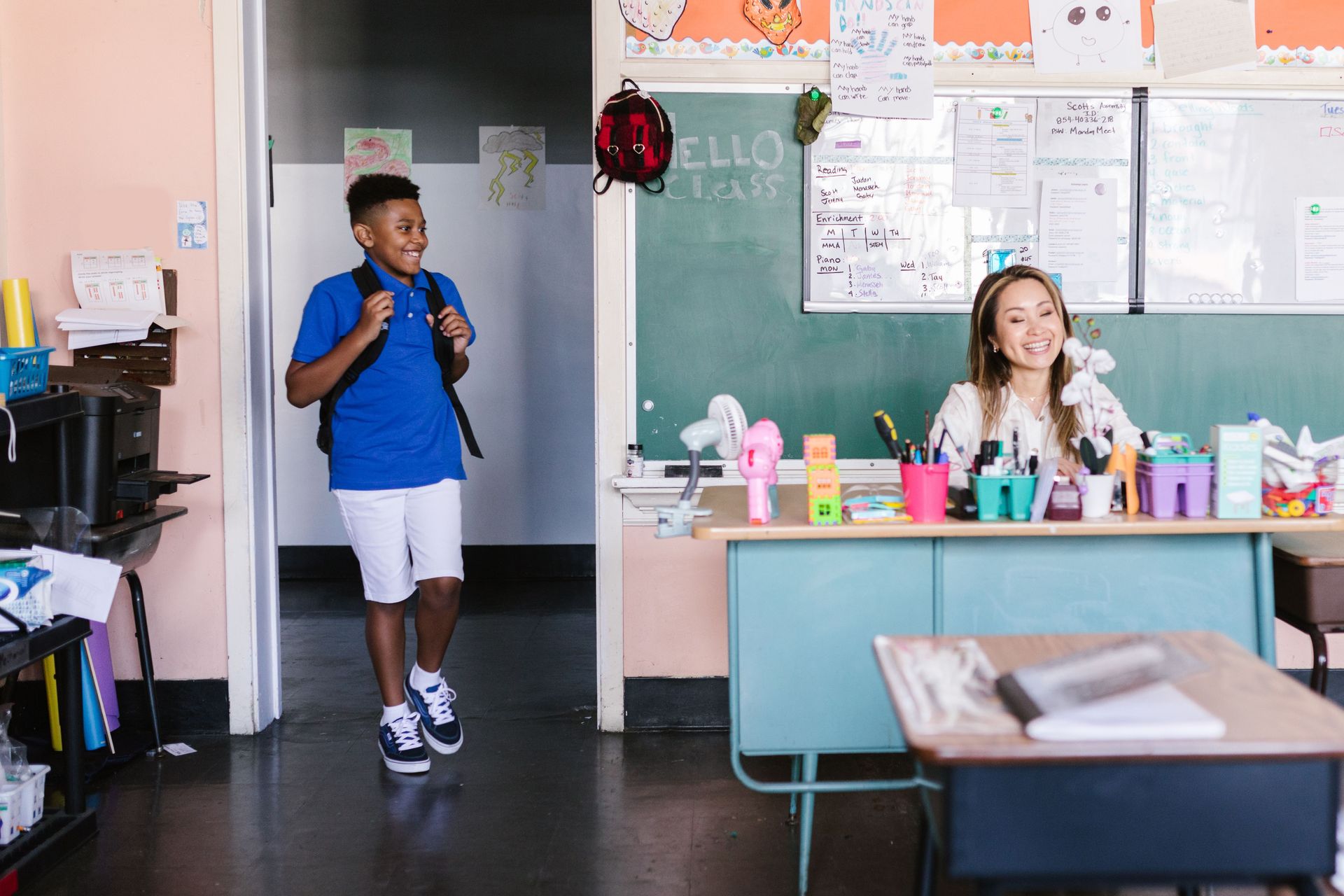
While parents and caregivers play a central role, children benefit from having multiple safe, supportive adults in their lives.
This might include:
- Teachers
- Coaches
- Extended family members
- Mentors
- Community leaders
A strong support system increases the likelihood that a child has someone they feel comfortable turning to when they need help. It also creates more opportunities for positive guidance and early intervention if concerns arise.
When Support Is Needed
Even in caring environments, families face stress.
Seeking support is not a sign of failure. It is a proactive step toward strengthening the environment around a child.
This might look like:
- Reaching out to a counselor
- Connecting with community resources
- Talking with trusted professionals
- Asking for help during overwhelming seasons
Support for caregivers is also part of protecting children. When adults are supported, they are better able to provide stability and care.
Looking at the Bigger Picture
Preventing harm is not only about responding to problems.
It is about building environments where children feel safe, valued, and supported every day.
Strong relationships do not eliminate every challenge, but they create a foundation where children are more likely to be protected, heard, and helped when they need it.
They also shape how children understand trust, boundaries, and connection as they grow.
Final Thoughts
Safe, supportive relationships are one of the most powerful tools we have in protecting children.
They are built through consistency, connection, and care over time.
The small, everyday moments matter more than we often realize.
And through those moments, we create spaces where children can grow, feel secure, and know they are not alone.
Prevention does not always look like a single action. More often, it looks like showing up again and again in ways that build trust, safety, and connection.
Looking for more simple, supportive tools for the loved ones in your care? Enjoy these additional resources and explore our blog for ideas that help you nurture connection, one moment at a time. Or, Join our mailing list where we share more resources that accompany our blog posts.
Join Our Mailing List