How Communities and Caregivers Can Work Together to Keep Kids Safe
Keeping Kids Safe Is a Shared Responsibility
When we think about protecting children, it is easy to picture the role of parents and caregivers first.
But the reality is, children are safest when they are supported by a network of caring adults, not just one or two individuals.
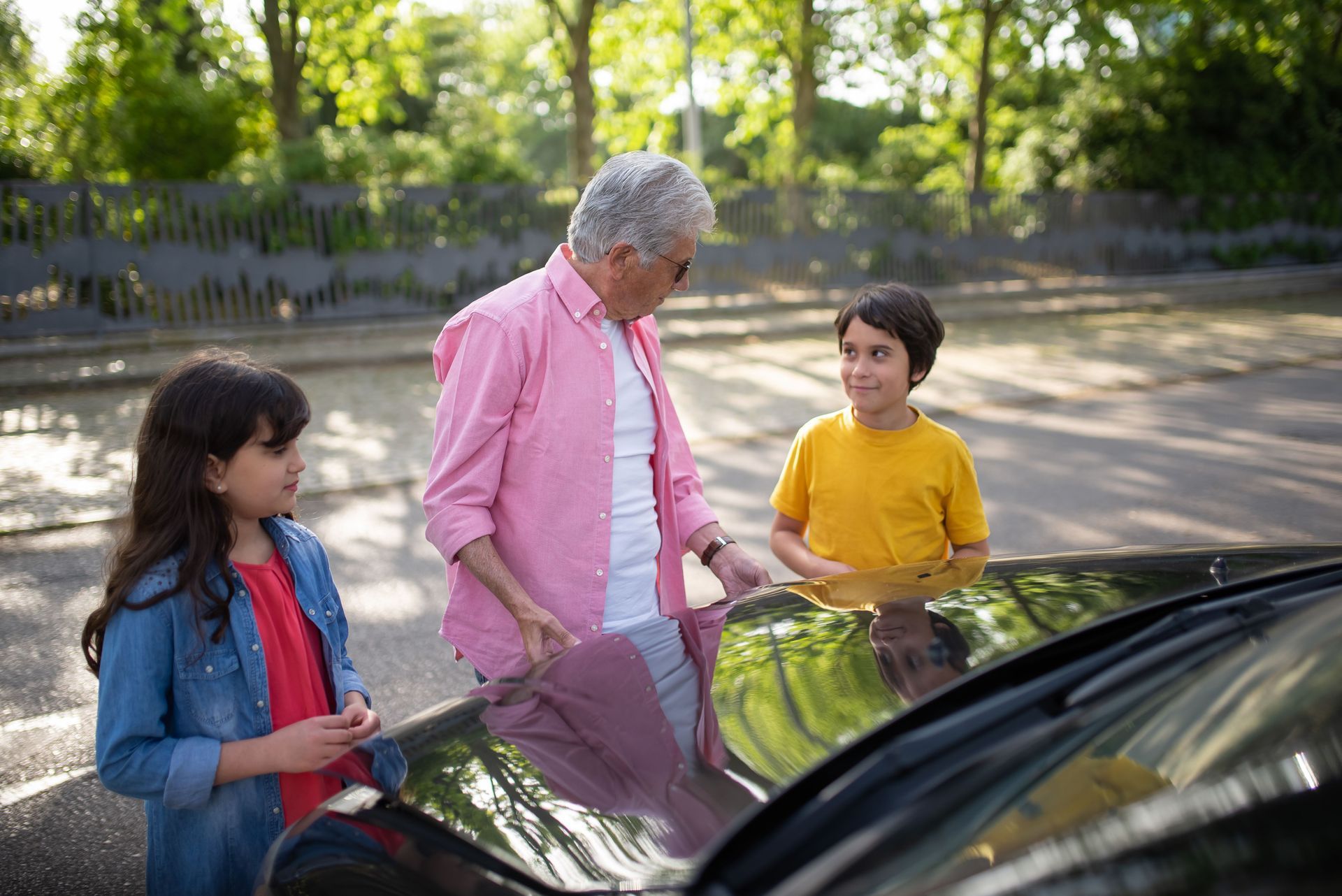
Prevention does not happen in isolation. It happens when families, schools, organizations, and communities work together to create environments where children feel safe, seen, and supported.
Why Community Support Matters
No caregiver can do everything alone.
Life brings stress, challenges, and unexpected circumstances. When families have access to support, they are better equipped to provide stable and nurturing environments for their children.
Strong communities help:
- Reduce isolation for caregivers
- Provide resources during difficult times
- Offer additional safe adults for children to connect with
- Identify concerns early and respond with care
When support systems are in place, small challenges are more likely to be addressed before they grow into larger concerns.
The Role of Caregivers at Home
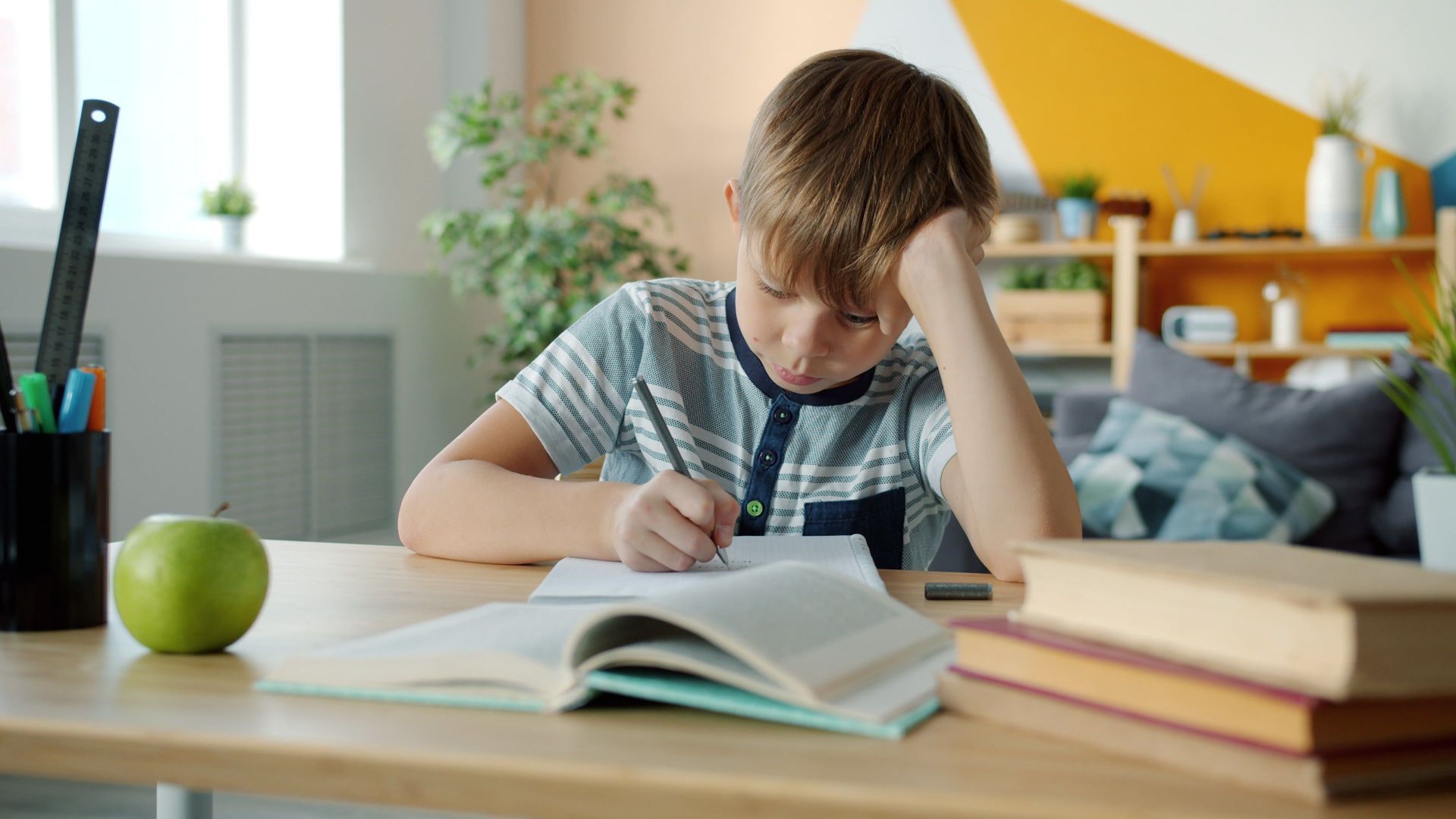
Caregivers remain at the center of a child’s support system.
Creating a safe and stable home environment includes:
- Building consistent routines
- Listening without judgment
- Setting clear and healthy boundaries
- Modeling respectful and calm communication
These everyday actions create a foundation of trust that allows children to feel secure and supported.
The Role of Schools, Mentors, and Community Members
Children spend a significant portion of their time outside the home.
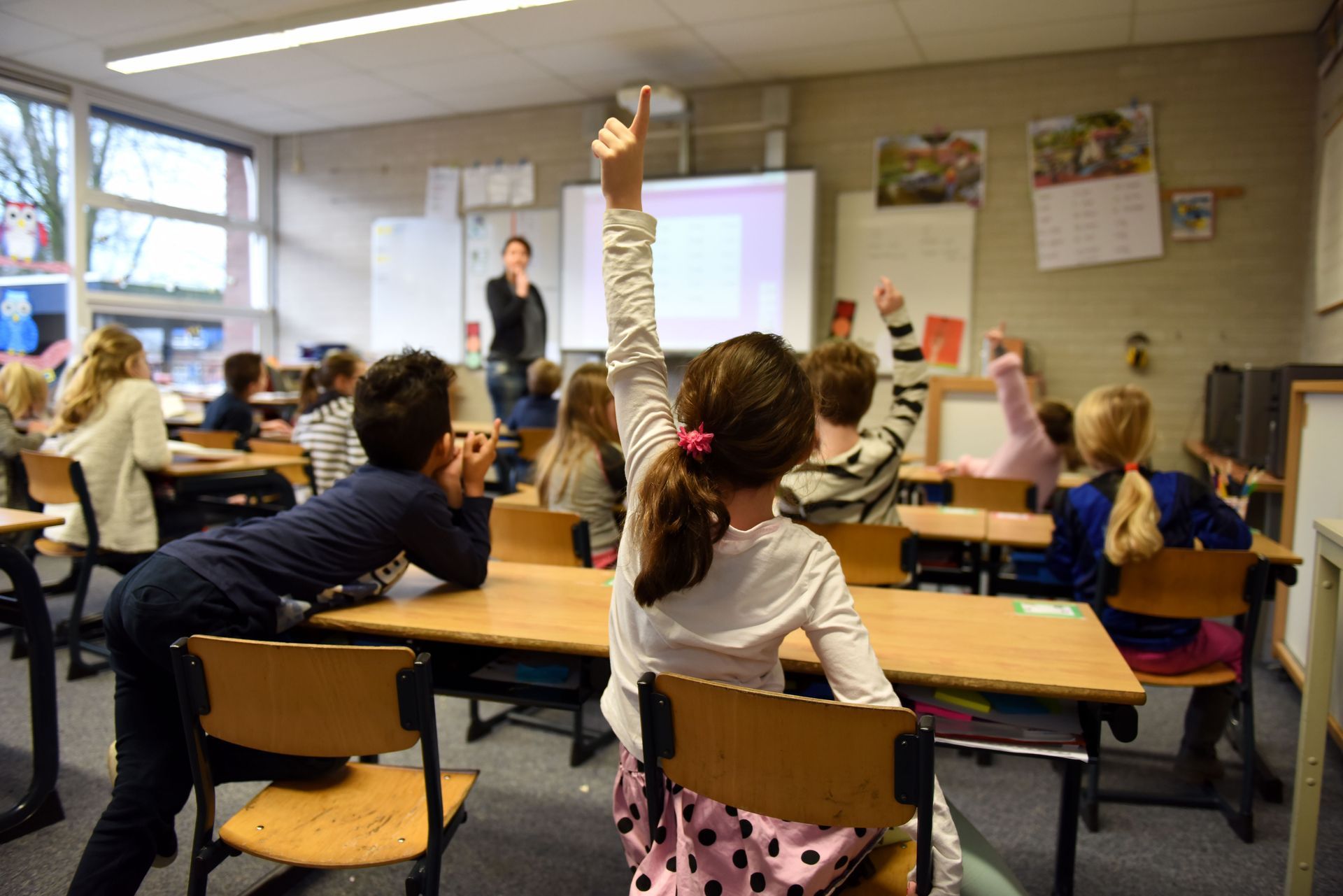
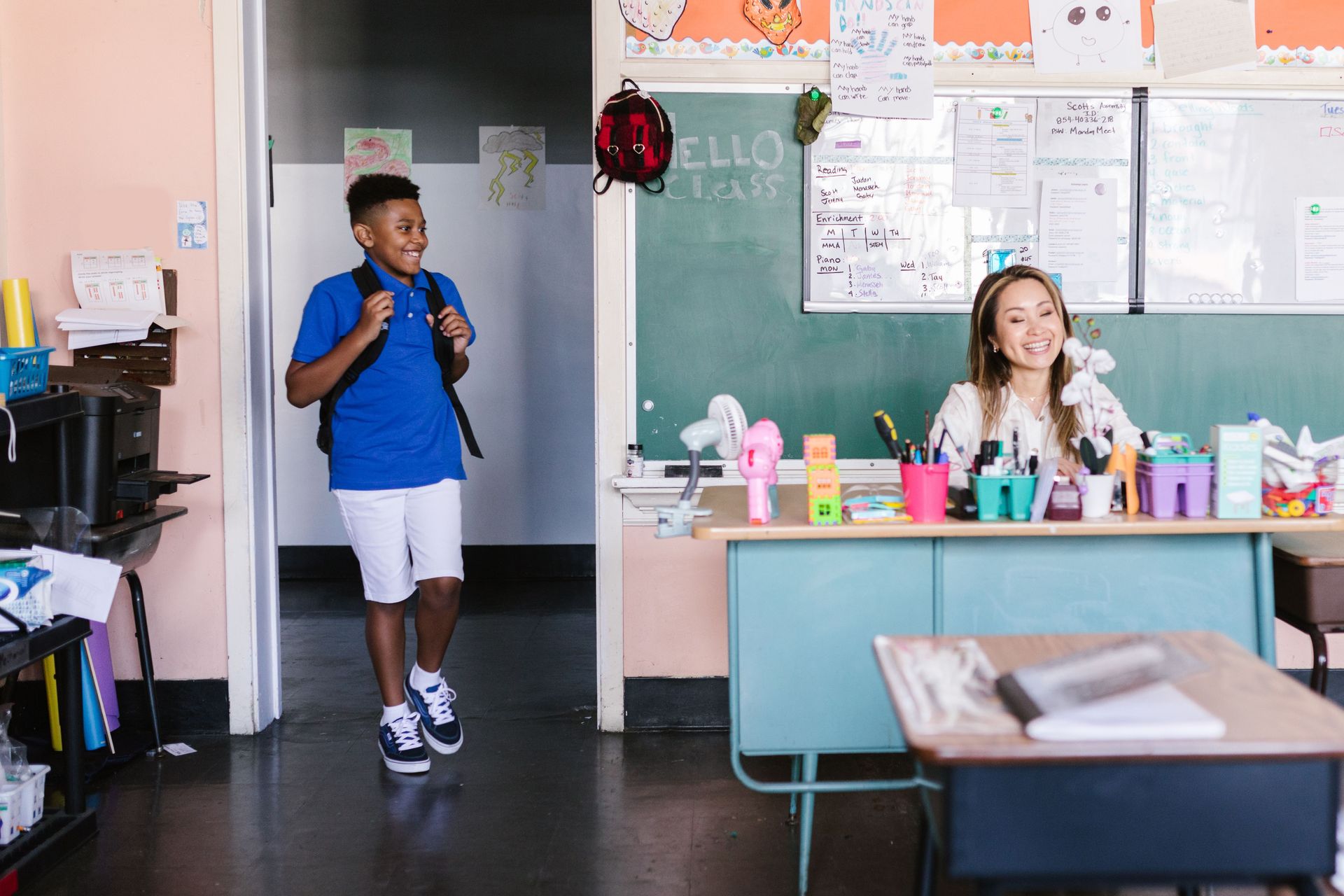
Teachers, coaches, mentors, and neighbors all play a role in creating a broader safety net.
These adults can:
- Notice changes in behavior or mood
- Offer encouragement and stability
- Provide safe spaces for children to talk
- Reinforce positive relationships and expectations
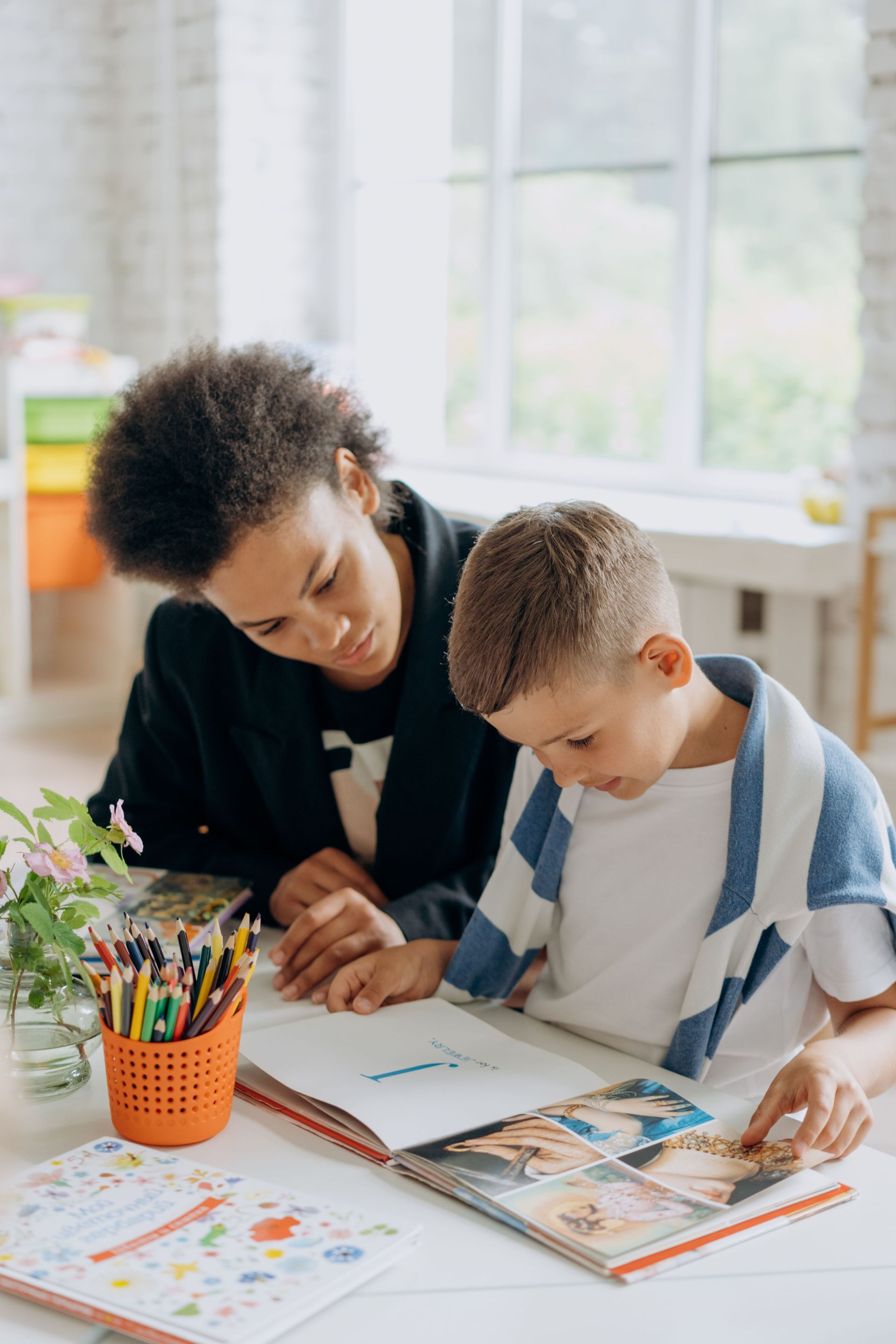
Sometimes, a child may feel more comfortable opening up to someone outside their immediate family. That connection can be a critical point of support.
Supporting Indigenous Children Through Community Connection
For many Indigenous communities, the concept of care has always extended beyond the individual household.
Support is often rooted in relationships, culture, and community connection.
Organizations like Society of Care are part of this broader system of support, working alongside communities to strengthen relationships, provide resources, and create environments where children can thrive.
This includes:
- Partnering with communities to support culturally responsive care
- Building programs that reflect the strengths and values of Indigenous families
- Supporting caregivers with tools and resources that honor community traditions
By recognizing and supporting these community-centered approaches, we strengthen protective factors that help keep children safe.
The Role of Organizations Like the Nebraska Children & Families Foundation
Community-based organizations also play an important role in prevention.
Groups like the Nebraska Children and Families Foundation work to strengthen the systems that support children and families across the state.
Their work includes:
- Investing in early childhood programs
- Supporting family-centered services
- Promoting community collaboration
- Focusing on prevention before crisis
By connecting resources, organizations, and families, they help build a stronger, more responsive support network for children.
What Collaboration Looks Like in Action
When communities and caregivers work together, support becomes more accessible and effective.
This collaboration can look like:
- Schools connecting families to local resources
- Community organizations offering parenting support and education
- Neighbors and extended family stepping in during times of need
- Professionals working together to provide coordinated care
These efforts create layers of protection around children.
How You Can Be Part of the Support System
You do not have to be a professional to make a difference.
Everyday actions matter:
- Check in with families in your community
- Offer support without judgment
- Be a consistent, safe adult in a child’s life
- Speak up when something feels concerning
- Stay informed about local resources
Small actions, when multiplied across a community, create meaningful impact.
Looking at the Bigger Picture
Keeping children safe is not the responsibility of one person or one system.
It is a shared effort built on connection, awareness, and support.
When caregivers are supported, children benefit. When communities are engaged, risks are reduced. When systems work together, prevention becomes stronger and more sustainable.
Final Thoughts
Every child deserves to grow up in an environment where they feel safe, supported, and valued.
That kind of environment is not created by one person alone.
It is built through relationships, strengthened by community, and sustained through shared responsibility.
When we work together, we create a network of care that helps protect children not just in moments of crisis, but every day.
Looking for more simple, supportive tools for the loved ones in your care? Enjoy these additional resources and explore our blog for ideas that help you nurture connection, one moment at a time. Or, Join our mailing list where we share more resources that accompany our blog posts.
Join Our Mailing List