How Parents Can Model Healthy Stress Management
Teens learn a great deal about how to handle life’s challenges by watching the adults around them. While parents often focus on teaching coping strategies through conversation, one of the most powerful lessons happens through everyday example. The way adults respond to stress, frustration, and uncertainty can quietly shape how teens approach those same experiences.
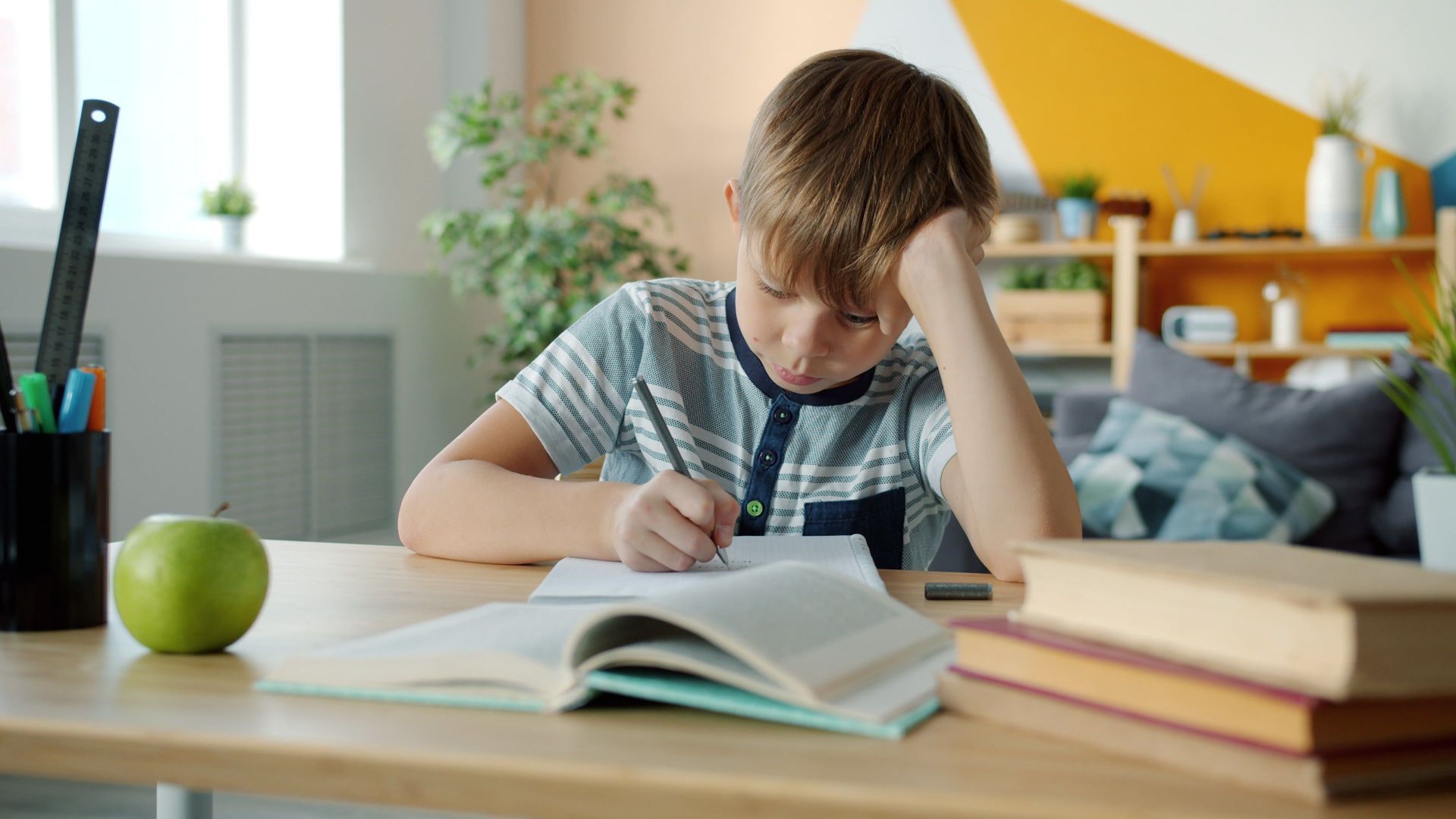
Adolescence can be a time filled with pressure. School expectations, social dynamics, extracurricular activities, and planning for the future can all create stress. When teens see adults managing their own stress in healthy ways, it helps them develop similar tools. Modeling healthy stress management does not mean parents need to appear calm and composed all the time. Instead, it means demonstrating constructive ways of working through difficult moments.
Balance is Key
One helpful approach is openly acknowledging stress in a balanced way. Parents might say something like, “Today was a challenging day at work, so I am going to take a few minutes to reset before dinner.” This kind of statement shows teens that stress is a normal part of life and that taking steps to manage it is healthy. It also communicates that it is okay to pause and care for one’s well-being.
Have a Coulpe Go-To's
Another way parents can model healthy coping is by demonstrating practical strategies for calming the mind and body. This might include taking a short walk, practicing deep breathing, listening to music, or stepping away from a frustrating situation before responding. When teens see these habits in action, they learn that there are productive ways to regulate emotions.
Communication Goes a Long Way
Healthy communication is also an important part of stress management. Teens notice how adults talk about problems and how they interact with others when tension rises. Parents who approach challenges with patience, respectful language, and thoughtful problem-solving show teens how to handle conflict in constructive ways.
It is also helpful for parents to talk through their decision-making process when dealing with stress. For example, saying, “I have a lot to do today, so I am going to make a list and tackle one thing at a time,” helps teens see that organizing tasks can reduce feelings of overwhelm. These small moments offer practical examples of coping strategies that teens can apply to schoolwork, responsibilities, and personal challenges.
Show It Is Acceptable To Ask For Help
Equally important is showing that it is acceptable to ask for help when stress becomes difficult to manage. Parents who reach out to trusted friends, family members, or professionals demonstrate that seeking support is a healthy and responsible step. This can make it easier for teens to do the same when they are struggling.
Show Them How To Say "No"
Modeling healthy boundaries also plays a role in stress management. Setting limits on work, technology, or commitments can show teens that protecting personal time is important for overall well-being. When parents prioritize rest and balance, it reinforces the idea that productivity and self-care can coexist.
Help Them View This As A Valuable Skill
Over time, these everyday examples help teens build a foundation of healthy coping skills. Rather than learning only through instruction, they gain real-world insight into how adults navigate challenges with resilience and care.
By modeling thoughtful stress management, parents provide teens with practical tools that can support their emotional well-being both now and in the future. Small actions, calm responses, and open conversations can all contribute to a home environment where healthy coping strategies are visible and accessible.
Looking for more simple, supportive tools for the loved ones in your care? Enjoy these additional resources and explore our blog for ideas that help you nurture connection, one moment at a time. Or, Join our mailing list where we share more resources that accompany our blog posts.
Join Our Mailing List