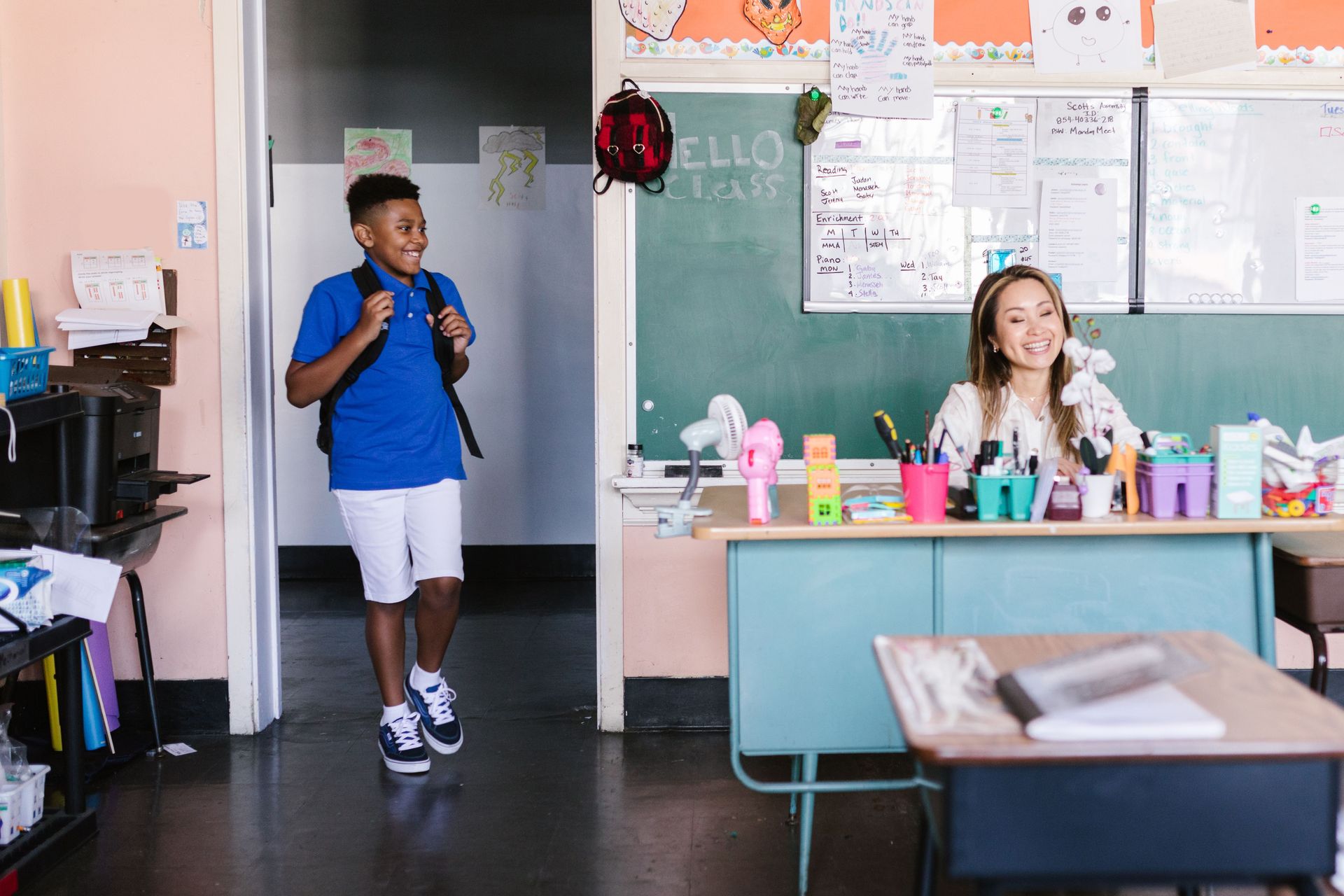
Helping Teens Find Balance Between Responsibilities and Downtime
Teenagers today often manage full schedules. Between schoolwork, extracurricular activities, social commitments, and family responsibilities, many teens move quickly from one obligation to the next. While being involved and active can be beneficial, it is equally important for teens to have time to rest and recharge.
Finding a healthy balance between responsibilities and downtime plays an important role in supporting teen mental health. When schedules become too full, teens may begin to feel overwhelmed, fatigued, or irritable. Over time, constantly moving from task to task without time to reset can impact mood, motivation, and focus.
Parents can play an important role in helping teens create space for both responsibility and rest.
Why Balance Matters for Teen Well-Being
Downtime is not simply unproductive time. It allows the brain and body to recover from stress and process experiences. When teens have opportunities to slow down, they can better regulate emotions, reflect on their day, and regain energy for upcoming challenges.
Without these pauses, teens may feel as though they are constantly trying to keep up. This can lead to frustration, exhaustion, and difficulty staying engaged in the activities they once enjoyed. Creating a balance between effort and recovery helps teens maintain healthier emotional rhythms.
Recognizing When a Schedule Becomes Too Full
Many teens enjoy being busy and involved in activities they care about. However, it can be helpful for parents to occasionally step back and look at the overall rhythm of their teen’s schedule.
Signs that a teen may be feeling overwhelmed can include increased irritability, difficulty concentrating, frequent fatigue, or a noticeable loss of enthusiasm for activities they previously enjoyed. When responsibilities begin to crowd out rest and relaxation, it may be time to reassess priorities.
Open conversations can help teens reflect on how their commitments are affecting them. Asking questions like “Which activities feel most meaningful to you?” or “Are there things on your schedule that feel more stressful than enjoyable?” can encourage teens to think thoughtfully about how they spend their time.
Creating Space for Rest and Connection
Families can support balance by intentionally protecting time for rest and connection. Simple activities such as sharing meals, going for a walk, or spending time together at home can provide meaningful breaks from structured demands.
Encouraging hobbies that are relaxing or creative can also give teens an outlet for unwinding. Reading, drawing, music, or outdoor time can help teens decompress and recharge after busy days.
These moments of downtime often strengthen family relationships as well. When teens feel relaxed and supported, conversations and connections tend to happen more naturally.
Supporting Healthy Sleep Habits
Sleep is one of the most important parts of maintaining balance. Teens who stay up late managing homework or activities may struggle to get the rest their minds and bodies need.
Encouraging consistent sleep routines can support better emotional regulation, focus, and overall well-being. Helping teens set reasonable limits on late night activities or screen time can also make it easier for them to wind down and rest.
When teens are well rested, they are often better able to manage the responsibilities they face during the day.
Modeling Balanced Living as Parents
Teens often learn about balance by observing the adults around them. When parents prioritize rest, family time, and personal well-being, it sends a powerful message that productivity and self-care can exist together.
Modeling healthy boundaries around work, technology, and commitments helps teens understand that it is okay to step back and recharge when needed. These examples show teens that taking care of themselves is not a weakness but an important part of maintaining long term well-being.
Encouraging a Healthy Perspective on Achievement
Many teens feel pressure to constantly perform, achieve, and stay productive. Social expectations, academic goals, and peer comparisons can all contribute to the idea that being busy equals being successful.
Parents can help counter this message by reminding teens that their value is not defined by how much they accomplish in a day. Rest, creativity, and personal interests all contribute to a well-rounded and healthy life.
Helping teens understand that balance is a strength can reduce pressure and support healthier habits over time.
Building Long-Term Habits for Well-Being
Balance does not mean removing responsibilities or avoiding challenges. Instead, it means creating space for both effort and recovery.
When teens have time to rest, reflect, and enjoy simple moments, they are often better equipped to handle stress and stay engaged with the things that matter most. Over time, learning how to balance responsibilities with downtime can help teens develop habits that support resilience and emotional well-being throughout their lives.
Looking for more simple, supportive tools for the loved ones in your care? Enjoy these additional resources and explore our blog for ideas that help you nurture connection, one moment at a time. Or, Join our mailing list where we share more resources that accompany our blog posts.
Join Our Mailing List