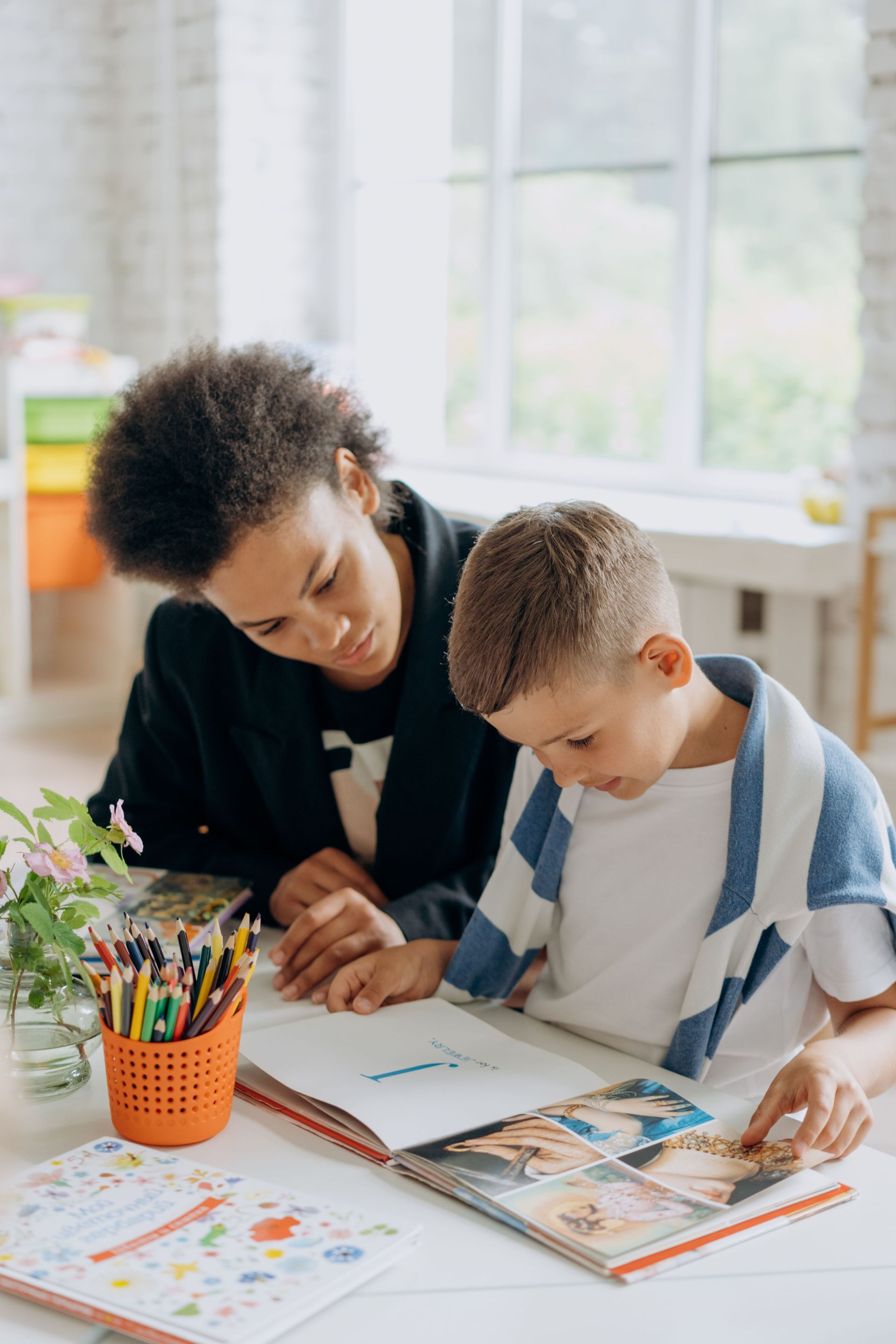
How to Build a Home Where Kids Feel Safe Speaking Up
Why Feeling Safe to Speak Up Matters
One of the most important protective factors in a child’s life is not just having caring adults around them.
It is knowing they can talk to those adults when something feels wrong.
Children who feel safe speaking up are more likely to:
- Share concerns early
- Ask for help when they need it
- Express emotions in healthy ways
- Navigate challenges with support instead of isolation
This kind of openness does not happen automatically. It is built over time through consistent, intentional interactions.
What Gets in the Way of Open Communication
Many caregivers want their children to come to them with anything.
But certain patterns, even unintentional ones, can make children hesitate.
These may include:
- Reacting quickly with frustration or fear
- Interrupting or correcting before fully listening
- Dismissing small concerns as unimportant
- Jumping straight to solutions instead of understanding
When children feel judged, rushed, or dismissed, they may begin to hold things in.
Over time, this can make it harder for them to speak up about bigger issues.
What Emotional Safety Looks Like at Home
Creating a home where kids feel safe speaking up starts with emotional safety.
This means children feel accepted, respected, and heard, even when conversations are difficult.
Listening Without Immediate Reaction
When your child shares something, pause before responding.
Even a few seconds of calm attention can signal that you are truly listening.
Staying Calm, Even When It Is Hard
Children often watch how adults react before deciding how much to share.
A steady, calm response helps them feel safe continuing the conversation.
Taking Their Concerns Seriously
What feels small to an adult may feel big to a child.
Responding with care shows that their experiences matter.
Avoiding Immediate Judgment
Instead of correcting right away, try to understand first.
This builds trust and keeps communication open.
Simple Ways to Encourage Kids to Speak Up
Building open communication does not require big, formal conversations.
It happens in everyday moments.
Create Regular Check-In Times
Simple routines like talking during dinner or car rides can create natural opportunities for sharing.
Ask Open-Ended Questions
Instead of “Did you have a good day?” try:
- “What was the best part of your day?”
- “Was anything frustrating today?”
These questions invite more meaningful responses.
Share Your Own Experiences
When appropriate, sharing your own feelings or challenges can model openness.
It shows that talking about emotions is normal.
Reinforce That They Can Come to You
Remind your child, regularly and calmly, that they can talk to you about anything.
Statements like:
- “You can always tell me if something feels wrong”
- “I will always do my best to help”
can go a long way over time.
How to Respond When Your Child Opens Up
What you do in the moment matters just as much as what you say over time.
When your child shares something:
- Pause and listen fully
- Thank them for telling you
- Validate their feelings
- Avoid overreacting
- Work through next steps together if needed
A simple response like, “I’m really glad you told me,” can reinforce trust in a powerful way.
When Conversations Feel Difficult
Some topics are harder to talk about than others.
If your child hesitates, becomes quiet, or avoids certain conversations, it does not mean they do not trust you.
It may mean they are still building the confidence and language to express themselves.
In these moments:
- Stay patient
- Keep the door open
- Revisit conversations gently over time
Consistency matters more than getting it perfect in one moment.
The Long-Term Impact
When children grow up in environments where they feel safe speaking up, they carry those skills with them.
They are more likely to:
- Advocate for themselves
- Set healthy boundaries
- Seek help when needed
- Build strong, trusting relationships
These are lifelong protective factors.
Final Thoughts
Building a home where kids feel safe speaking up does not require perfection.
It requires presence, consistency, and a willingness to listen, even when it is uncomfortable.
The small, everyday moments matter.
Each time you listen, stay calm, and respond with care, you are reinforcing a message your child will remember:
Your voice matters. You are not alone.
Looking for more simple, supportive tools for the loved ones in your care? Enjoy these additional resources and explore our blog for ideas that help you nurture connection, one moment at a time. Or, Join our mailing list where we share more resources that accompany our blog posts.
Join Our Mailing List