Helping Young People Respond to Questions About Their Identity
When Curiosity Becomes Uncomfortable
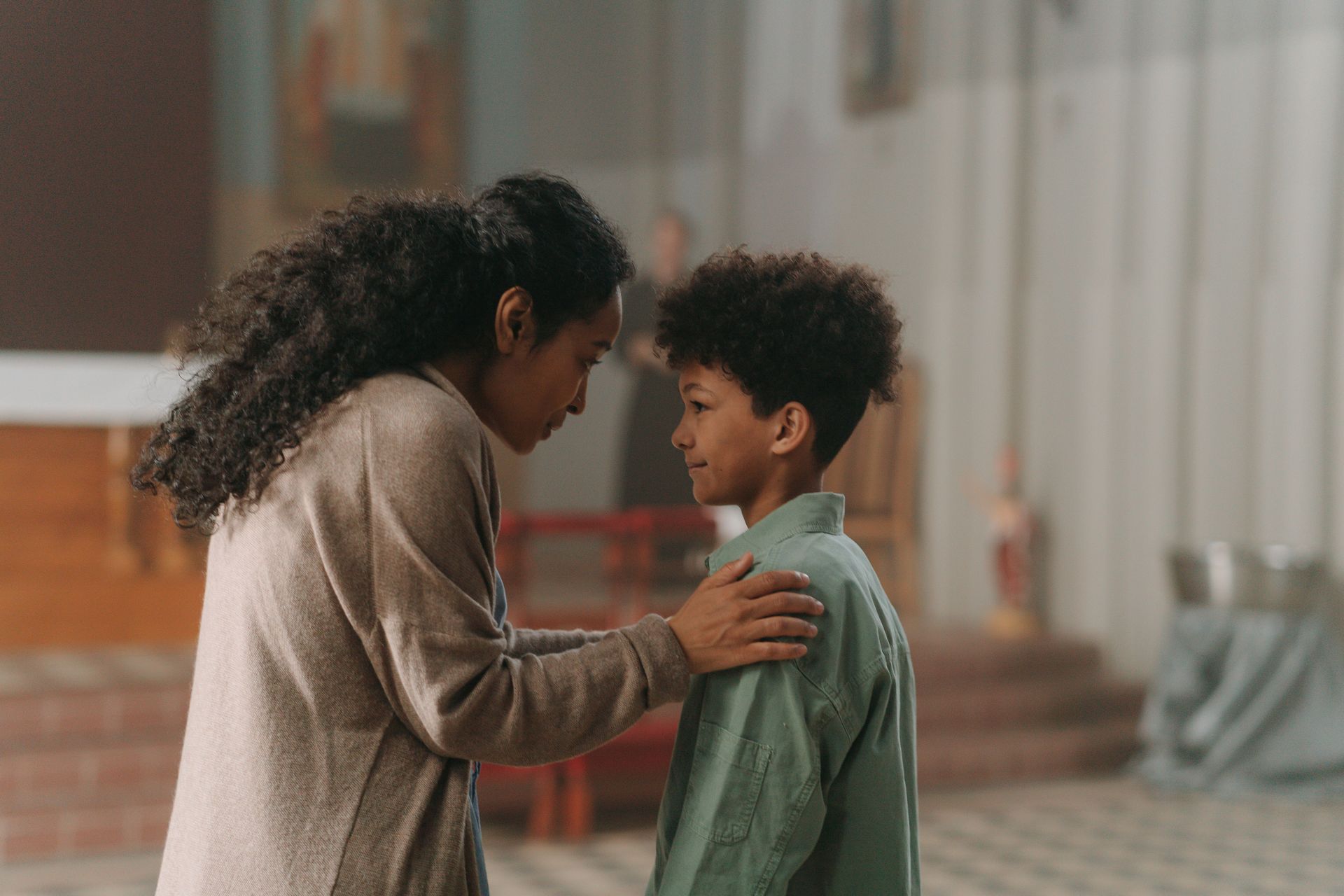
As children grow, they naturally become more aware of the differences and similarities between themselves and those around them. Conversations about family backgrounds, cultural traditions, and personal identities may come up at school, during activities, or in everyday interactions.
Often, these questions come from genuine curiosity. Other times, they may be based on misunderstandings, stereotypes, or assumptions that leave a young person feeling uncomfortable. For Native youth, questions about their heritage or cultural identity can sometimes place them in a position where they feel expected to explain something deeply personal. While some young people may welcome opportunities to share their experiences, others may prefer to keep certain aspects of their identity private.
Helping children understand that they have a choice in how they respond can be an important part of building confidence and supporting their emotional well-being.
Not Every Question Requires an Answer
Children are often encouraged to be polite, helpful, and respectful when speaking with others. While these are valuable qualities, young people should also understand that being respectful does not mean they must answer every question they receive.
A classmate might ask about a family's traditions, a child's Tribal affiliation, or why someone participates in a particular activity. Depending on the question and the circumstances, a young person may feel comfortable answering, or they may not. Caregivers can help children practice simple responses that allow them to maintain their boundaries without feeling confrontational.
For example, a child might say, "That's something I'd rather keep private," or "I don't really want to talk about that right now." These conversations can also reinforce an important distinction: being proud of who you are does not require sharing every part of yourself with others.
Helping Children Recognize Assumptions and Stereotypes
Not every uncomfortable interaction begins with an intentionally hurtful comment. Sometimes people ask questions based on incomplete information or generalizations they've encountered elsewhere. For Native youth, this might involve someone assuming that all Native communities share the same traditions, experiences, or beliefs.
Rather than expecting children to correct every misunderstanding, caregivers can help them recognize when a question is based on an assumption and decide whether they want to respond. If they choose to engage, they might explain that Native American communities are diverse or that their own experiences do not represent everyone else's.
It's equally important to remind young people that educating others is not automatically their responsibility. When questions become persistent, disrespectful, or upsetting, seeking support from a trusted adult is an appropriate response.
Building Confidence Through Everyday Conversations
Preparing children for questions about their identity doesn't have to involve rehearsing every possible situation. Everyday conversations can help them develop the confidence to respond in ways that feel comfortable and authentic. Caregivers might ask how a child feels when someone brings up their background or whether they've ever received a question they weren't sure how to answer.
Listening without immediately offering corrections or solutions gives young people room to explain their experiences in their own words. Families can also discuss the difference between sharing something willingly and feeling pressured to explain it. This helps children recognize that their comfort, privacy, and personal boundaries deserve consideration.
If a young person is uncertain about aspects of their family history or cultural background, caregivers can reassure them that they don't need to have every answer. Learning about identity can be an ongoing process, and there is no expectation that a child must know everything about their heritage.
Making Room for Different Experiences
Native American Heritage Month provides an opportunity to recognize the histories, cultures, and contributions of Native peoples. It may also lead to additional conversations about Native identity in classrooms and community settings.
These discussions can be meaningful, but they should not create an expectation that Native students must speak on behalf of their families, communities, or Tribal Nations.
Some young people may enjoy sharing their perspectives. Others may have different interests, levels of cultural knowledge, or personal reasons for choosing not to participate in those conversations. Caregivers and educators can support young people by respecting those differences and ensuring that opportunities to share are invitations rather than obligations.
A child's identity is not measured by how much they know, how often they participate in cultural activities, or how confidently they answer someone else's questions.
Confidence Comes From Feeling Supported
Learning how to respond to questions about identity is one part of growing up. Young people are still discovering how they want to express themselves, what they feel comfortable sharing, and how to navigate interactions with others.
For caregivers, the goal isn't to prepare children with a perfect answer for every situation. It's to help them recognize that their experiences matter, their boundaries deserve respect, and they can ask for support when conversations become difficult.
At Society of Care, our commitment to youth-guided, family-driven support recognizes the importance of listening to young people's individual experiences and respecting the identities that help shape their lives.
During Native American Heritage Month and throughout the year, we can help young people develop confidence not by asking them to explain who they are, but by making sure they know their identity is worthy of respect.
Looking for more simple, supportive tools for the loved ones in your care? Enjoy these additional resources and explore our blog for ideas that help you nurture connection, one moment at a time. Or, Join our mailing list where we share more resources that accompany our blog posts.
Join Our Mailing List